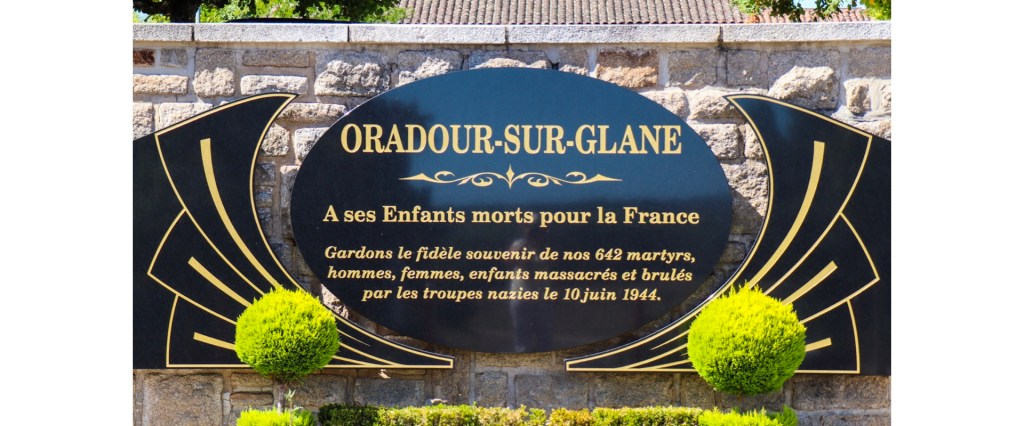
Our life-long friend and neighbour in Dublin Eamon Keating, also a living encyclopaedia of WWII, recommended we visit the village of Oradour-sur-Glane as we travelled down through France and what an incredible shrine to the memory of those who were massacred on 10th June 1944.
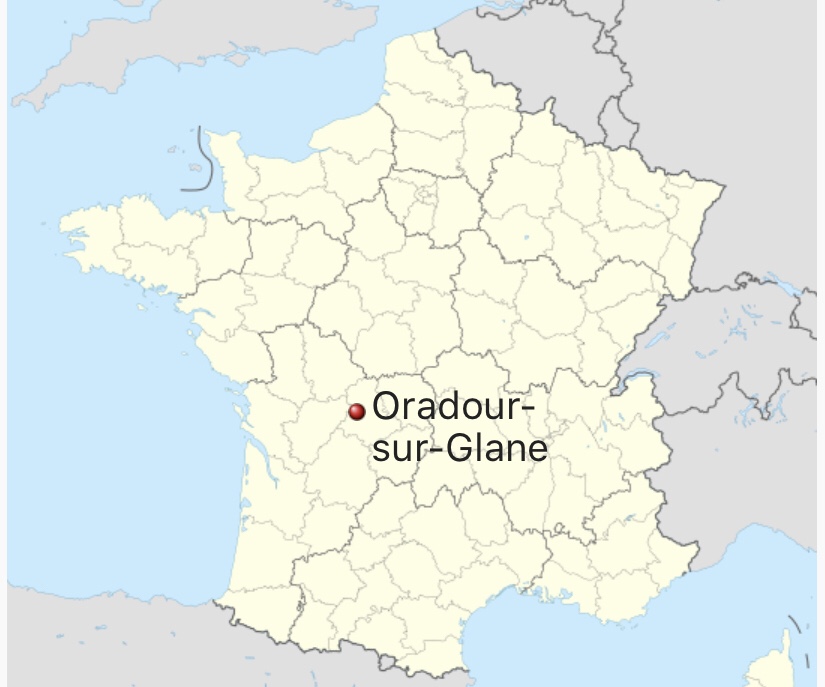
The village of Oradour-sur-Glane, located 22 kilometers north-west of Limoges, is known throughout the world for having preserved the traces of the massacre of 642 men, women and children perpetrated by a unit of the 2nd SS Division Das Reich on the 10th of June 1944. A new village was built nearby after the war, but President Charles de Gaulle ordered the original village be maintained as a permanent memorial and so the ruins of this village, untouched since the day of the massacre, continue to perpetuate a message of memory and peace. Classified as a historic monument in 1946, the ruins of the martyr village are visited each year by 300,000 people.
Background
In February 1944, the 2nd SS Panzer Division “Das Reich” was stationed in the Southern French town of Valence-d’Agen, north of Toulouse, waiting to be resupplied with new equipment and fresh troops. Following the D-Day invasion of Normandy in June 1944, the division was ordered north to help stop the Allied advance. One of its units was the 4th SS Panzer Grenadier Regiment (“Der Führer”). Its staff included regimental commander SS-Standartenführer Sylvester Stadler, SS-Sturmbannführer Adolf Diekmann commanding the 1st Battalion and SS-Sturmbannführer Otto Weidinger, Stadler’s designated successor who was with the regiment for familiarisation.
Early on the morning of 10 June 1944, Diekmann informed Weidinger that he had been approached by two members of the Milice, a collaborator paramilitary force of the Vichy Regime. They claimed that a Waffen-SS officer was being held prisoner by the Resistance in Oradour-sur-Glane, a nearby village. The captured officer was claimed to be SS-Sturmbannführer Helmut Kämpfe, commander of the 2nd SS Panzer Reconnaissance Battalion (also part of “Das Reich” division). He may have been captured by the Maquis du Limousin the day before.
On 10 June, Diekmann’s battalion sealed off Oradour-sur-Glane and ordered everyone within to assemble in the village square to have their identity papers examined. This included six non-residents who happened to be bicycling through the village when the SS unit arrived. The women and children were locked in the church, and the village was looted. The men were led to six barns and sheds, where machine guns were already in place.
According to a survivor’s account, the SS men then began shooting, aiming for their legs. When victims were unable to move, the SS men covered them with fuel and set the barns on fire. Only six men managed to escape. One of them was later seen walking down a road and was shot dead. In all, 190 Frenchmen died.
The SS men next proceeded to the church and placed an incendiary device beside it. When it was ignited, women and children tried to escape through the doors and windows, only to be met with machine-gun fire. 247 women and 205 children died in the attack. The only survivor was 47-year-old Marguerite Rouffanche. She escaped through a rear sacristy window, followed by a young woman and child. All three were shot, two of them fatally. Rouffanche crawled to some pea bushes and remained hidden overnight until she was found and rescued the next morning. About twenty villagers had fled Oradour-sur-Glane as soon as the SS unit had appeared. That night, the village was partially razed.
Several days later, the survivors were allowed to bury the 642 dead inhabitants of Oradour-sur-Glane who had been killed in just a few hours. Adolf Diekmann said the atrocity was in retaliation for the partisan activity in nearby Tulle and the kidnapping of an SS commander, Helmut Kämpfe.
Protests at Diekmann’s unilateral action followed, both from Field Marshal Erwin Rommel, General Gleiniger, German commander in Limoges, as well as the Vichy Government. Even SS-Standartenführer Stadler felt Diekmann had far exceeded his orders and began an investigation. However, Diekmann was killed in action shortly afterwards during the Battle of Normandy; many of the third company, which had conducted the massacre, were also killed in action. The investigation was then suspended.
On 12 January 1953, a military tribunal in Bordeaux heard the charges against the surviving 65 of the 200 or so SS men who had been involved. Only 21 of them were present, as many were in East Germany, which would not permit their extradition. Seven of those charged were German citizens, but 14 were Alsatians, French nationals whose home region had been annexed by Germany in 1940. All but one of the Alsatians claimed to have been forced to join the Waffen-SS. Such forced conscripts from Alsace and Lorraine called themselves the malgré-nous, meaning “against our will”.
On 11 February, 20 defendants were found guilty. Continuing uproar in Alsace (including demands for autonomy) pressed the French parliament to pass an amnesty law for all the malgré-nous on 19 February. The convicted Alsatian former SS men were released shortly afterwards, which caused bitter protests in the Limousin region.
Memorial
After the war, General Charles de Gaulle decided the village should never be rebuilt, but would remain a memorial to the cruelty of the Nazi occupation. The new village of Oradour-sur-Glane (population 2,375 in 2012), northwest of the site of the massacre, was built after the war. The ruins of the original village remain as a memorial to the dead.
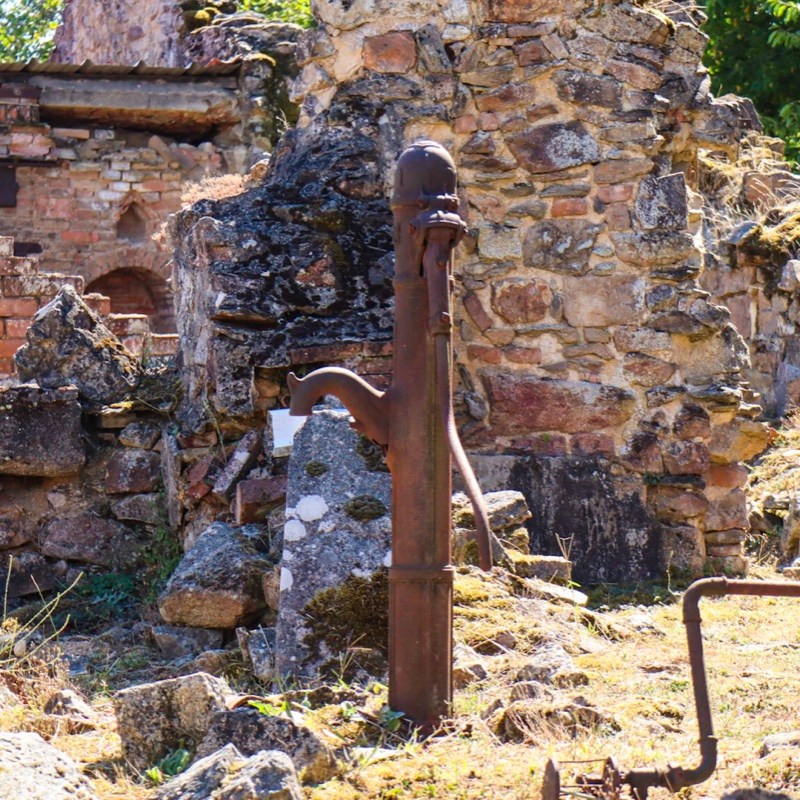

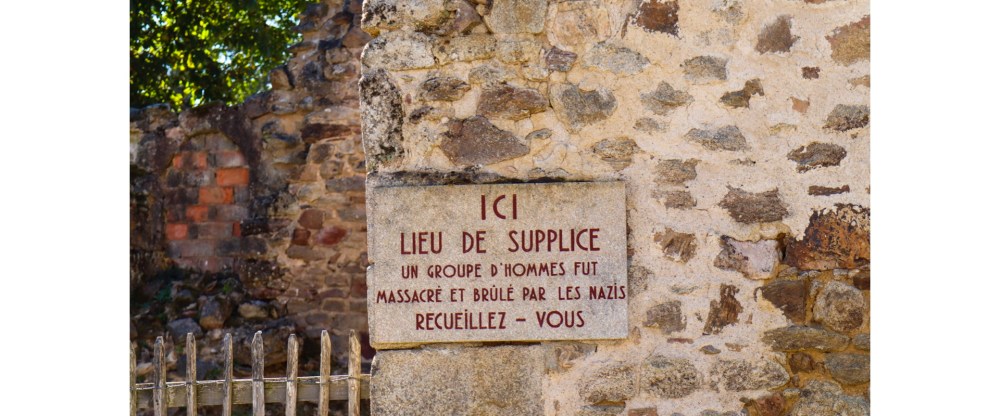
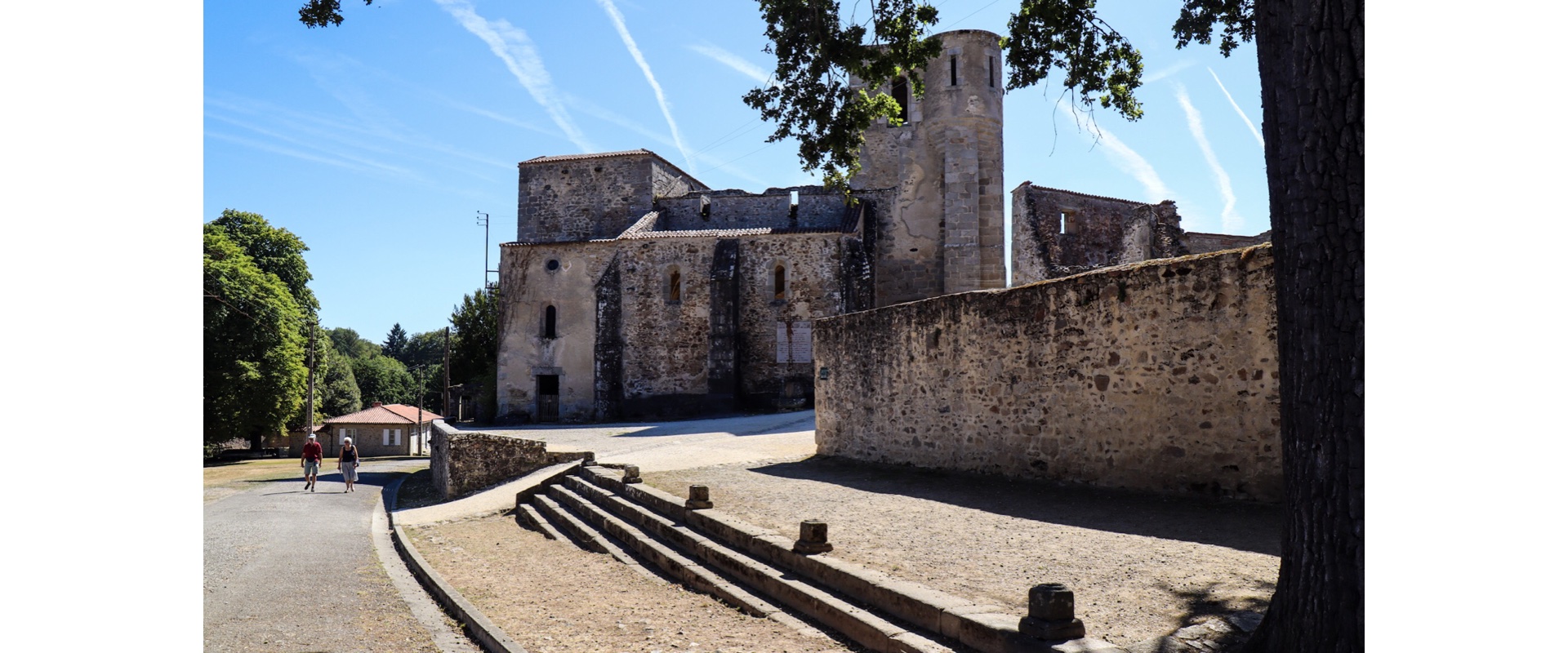
This is the church where all the women and children were massacred. Inside the church it was quite small and hard to imagine how over 400 fit into it, let alone the panic and terror they must have felt.
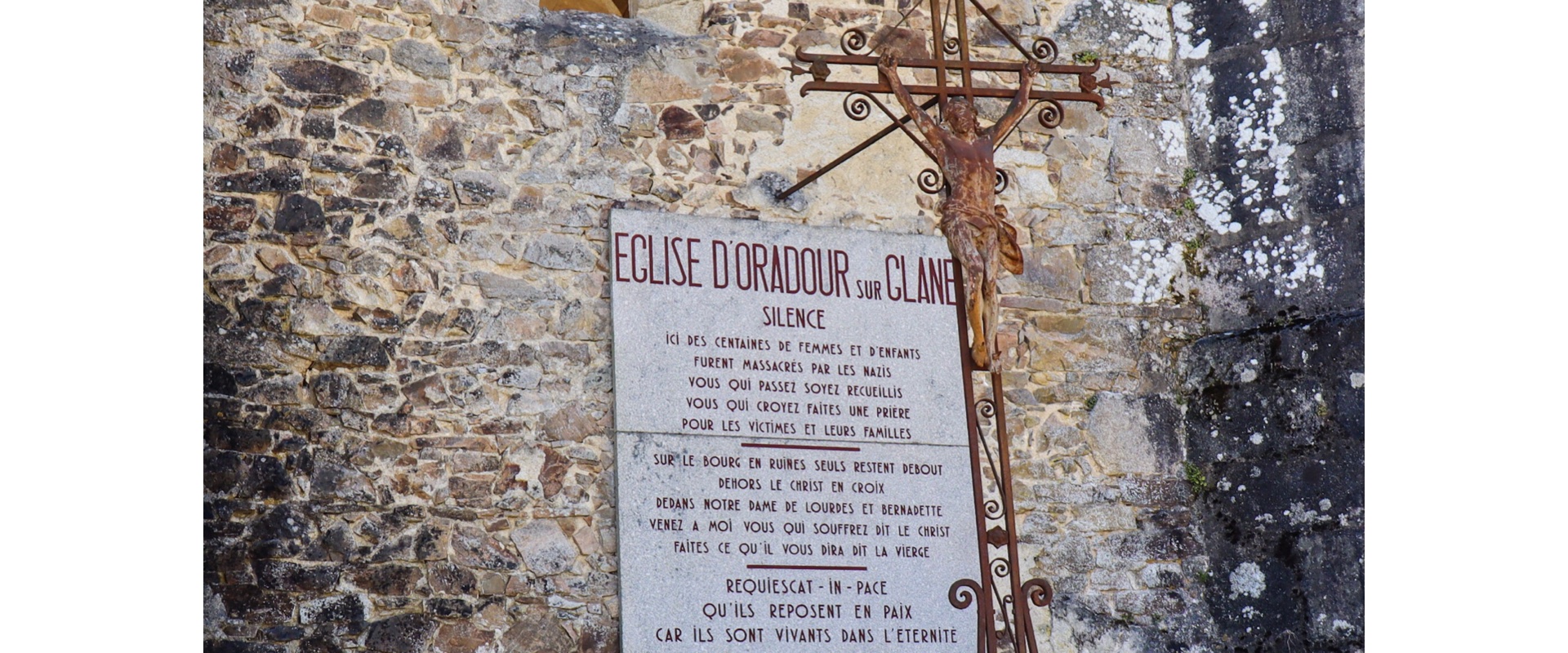
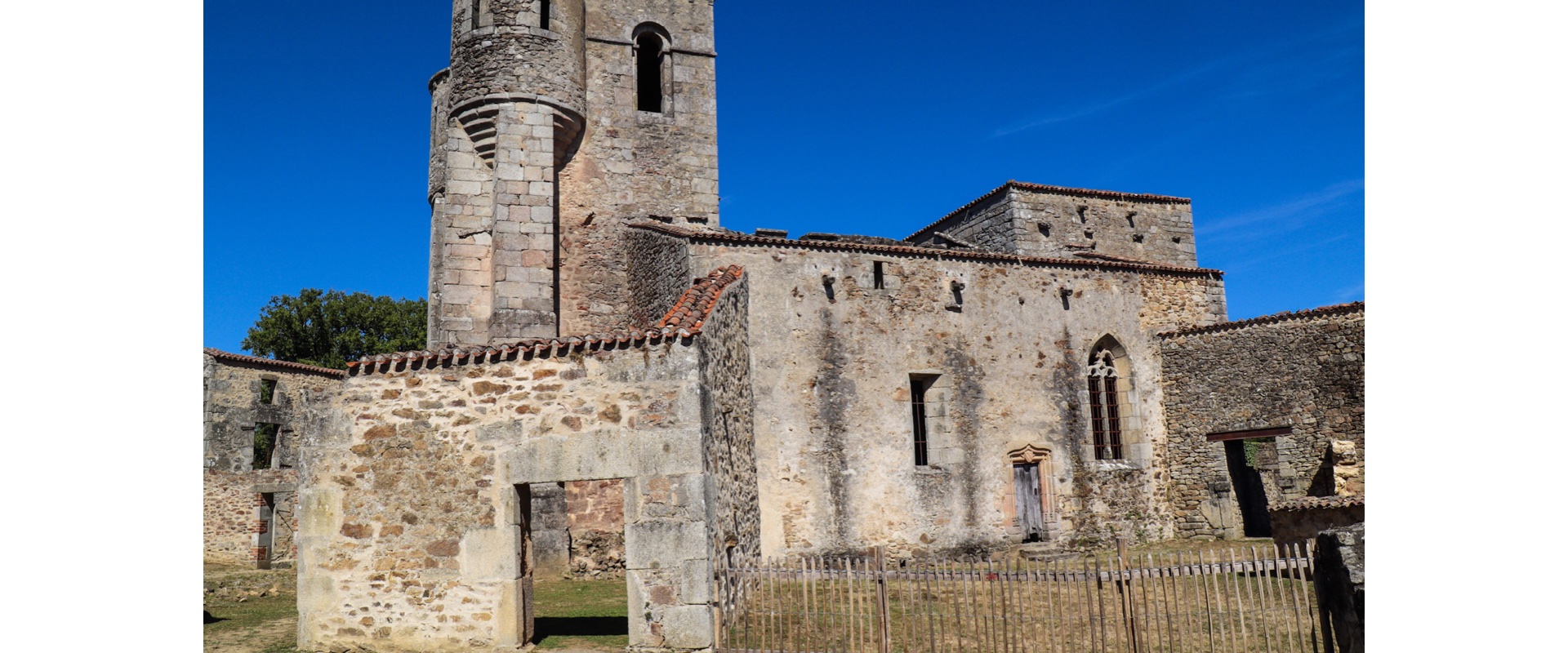
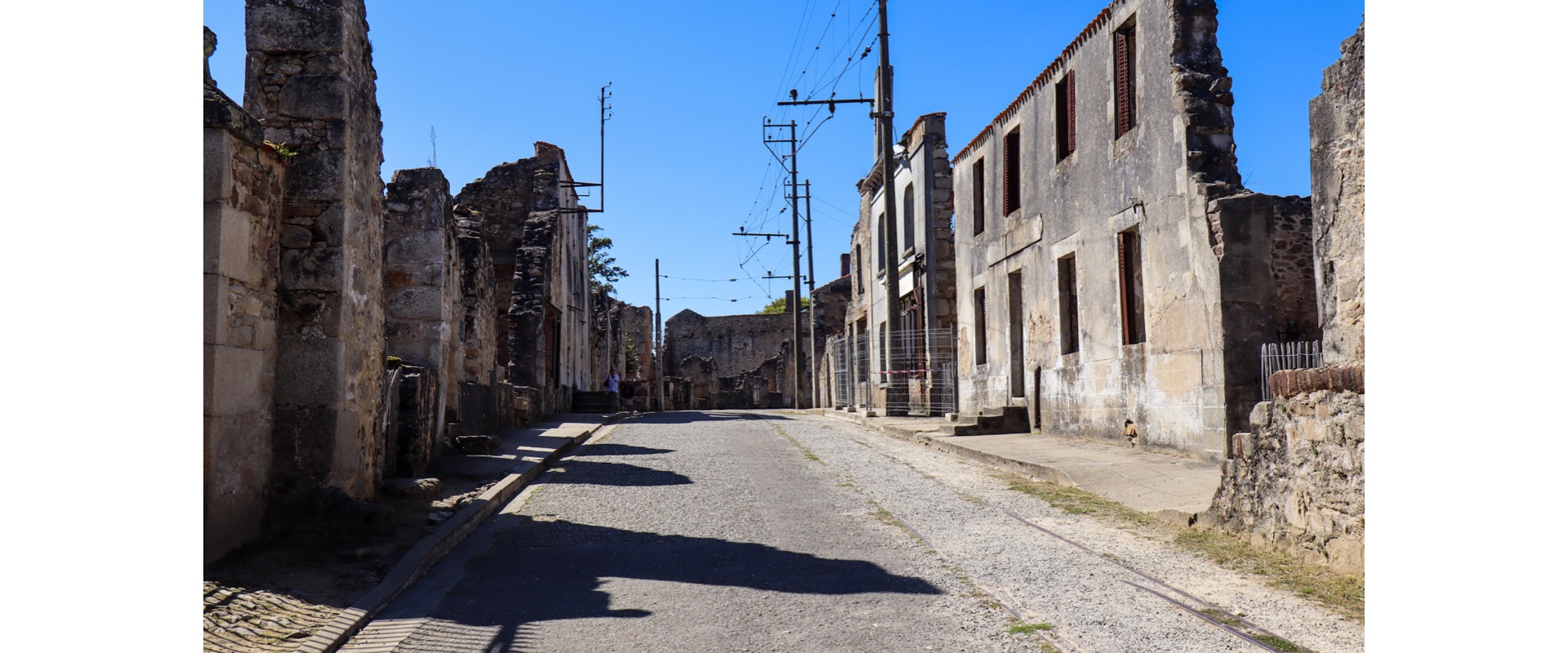
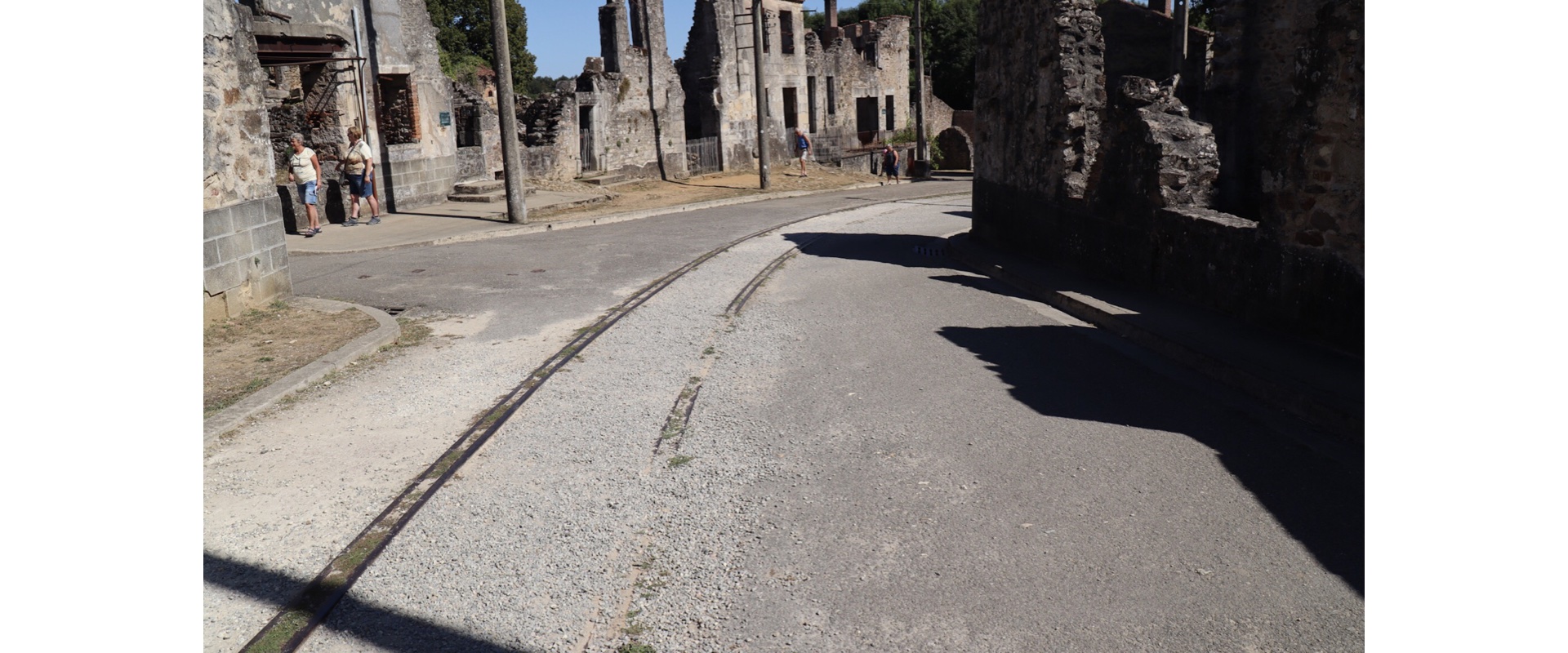
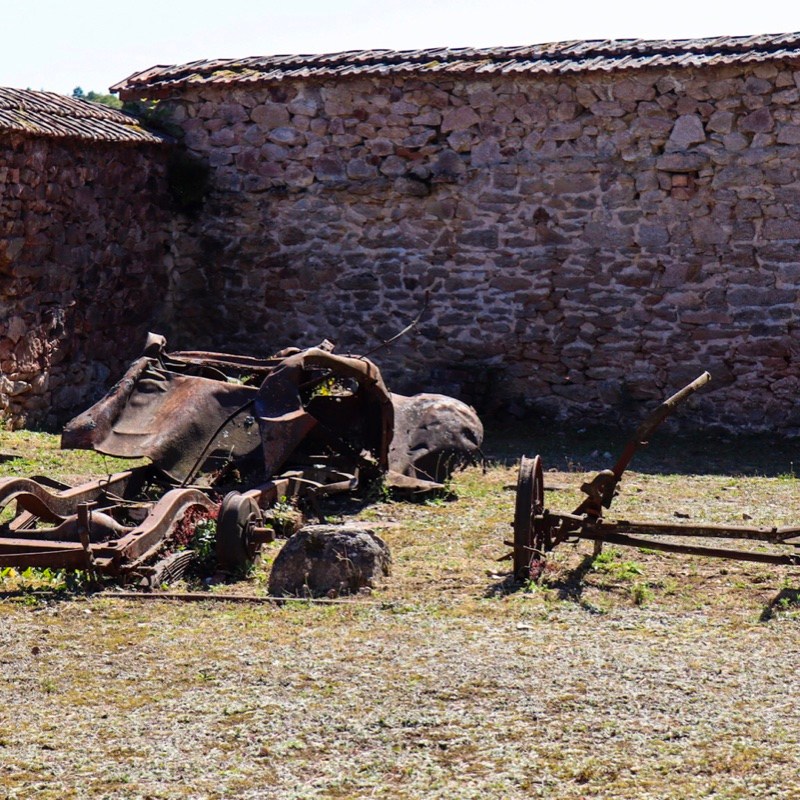
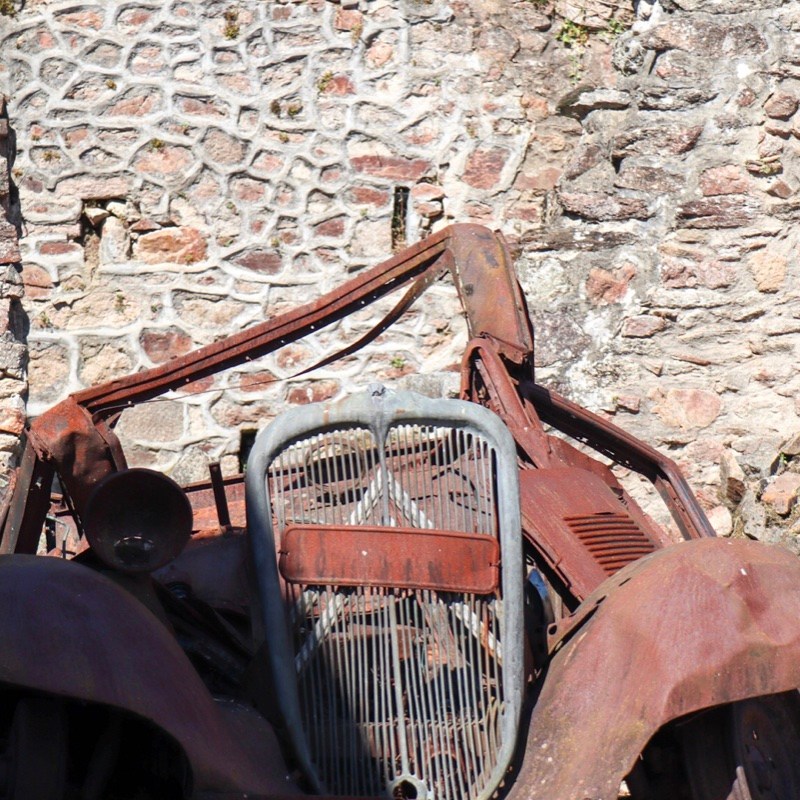
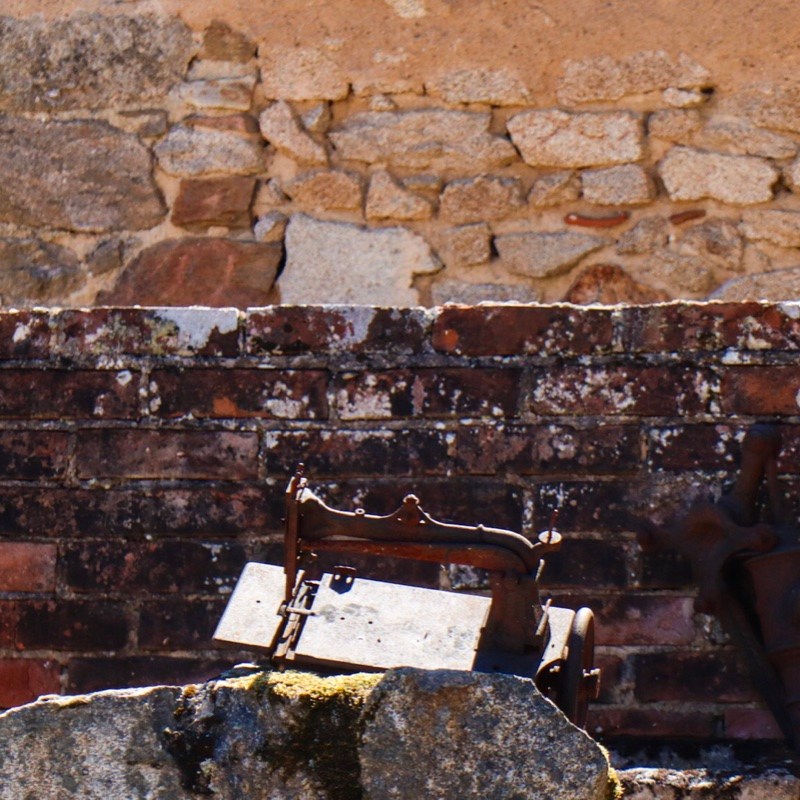
Above the Main Street of the town and below a garage with it’s burnt out cars.
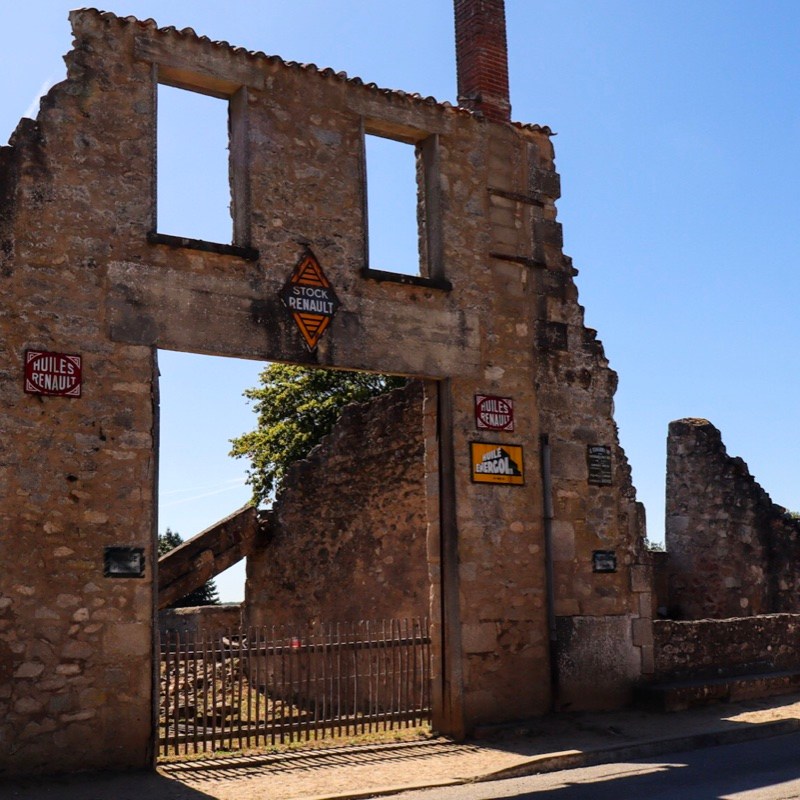
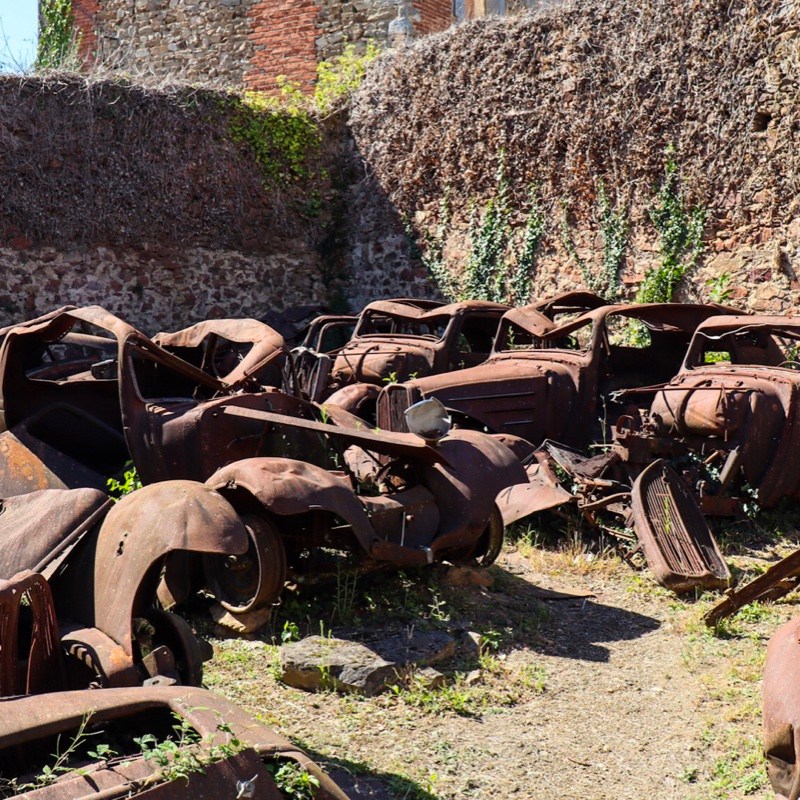
The doctor’s car.

Visiting Oradour-sur-Glane was very moving – to see how practically an entire village could be wiped out on the orders of one man in such an atrocious manner, the brutality and shear disregard for human life. The men of the village believed the Nazis’ were searching for arms and so when they were standing in the various sheds separated from the women and children, they believed they would be fine as they knew there were no arms in the village. The order was given and all the men in the various sheds were shot at the same time and then set on fire. Then the Nazis moved to the church to massacre the women – old and young – and all the children. Then they looted the village and set it on fire before leaving. However, they returned the next day to move the bodies from the church and bury them, thus rendering it near impossible to identify them so they couldn’t be mourned and laid to rest.
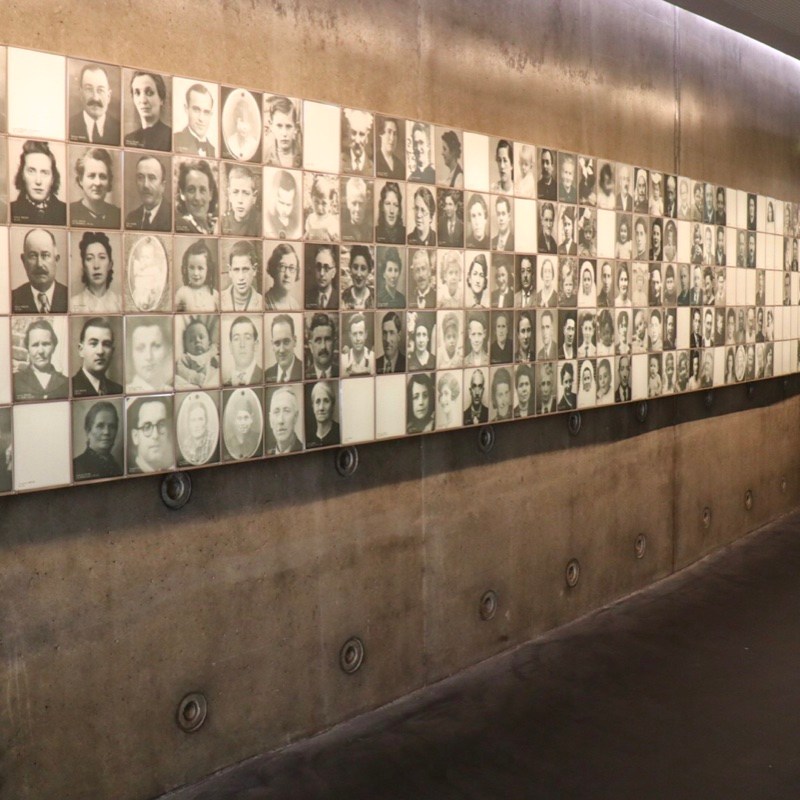
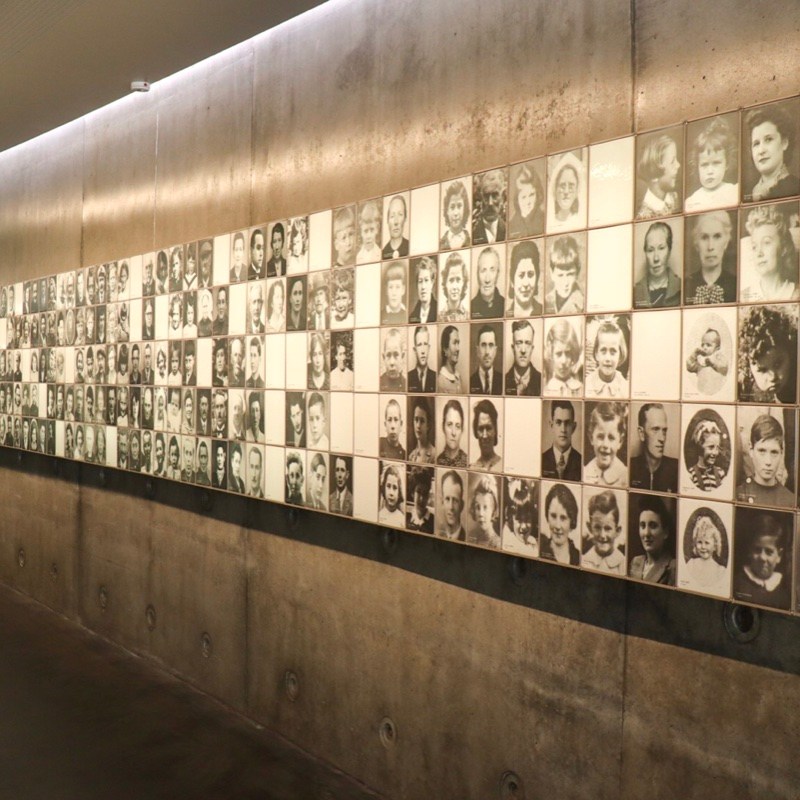
As you walk from the Memorial Centre to the entrance of the village both sides of the corridor is lined with plaques for all those massacred. Each plaque has the name and age of the person and most have photos which have been sourced over the years – making it all the more emotional. Atrocities such as this should never be allowed to happen again.


 Mutts on Tour