Is a town in northern Spain and is the home town of our great friend Curi. It is wonderful to see her again and stay in her house in the centre of the town and she has been a fantastic tour guide showing us all the sites and giving us all the history.
Astorga – the capital of the county of Maragatería in the province of León offers a rich medieval legacy as it is the crossroads of the Pilgrim’s Road to Santiago de Compostela and the Roman Silver Road (the Ruta de la Plata) which was used to transport the metal extracted from the mines in the north of the peninsula to the shipping ports in the south. During the Middle Ages it was used by Arab and Christian troops at the time of the conquest and the reconquest. This excellent communications route throughout the centuries then became the way for pilgrims heading for Santiago de Compostela.
The Way of Saint James, the Jacobean route has been declared a part of our World Heritage by the UNESCO, also runs through Astorga. This was part of a series of paths that criss-crossed Europe and northern Spain on the way to Santiago de Compostela, a holy city by virtue of being the site of the tomb of Saint James the Apostle.
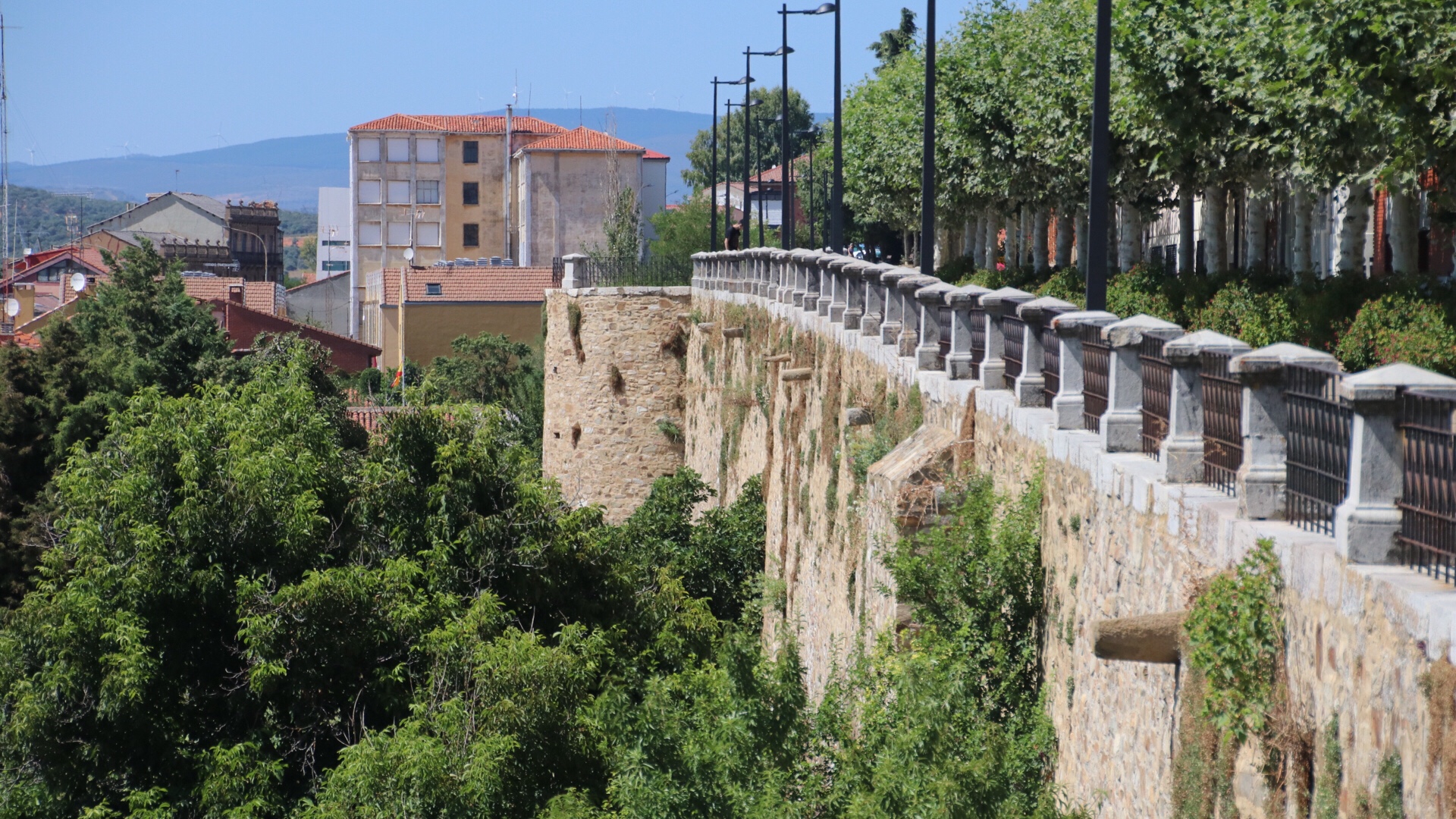
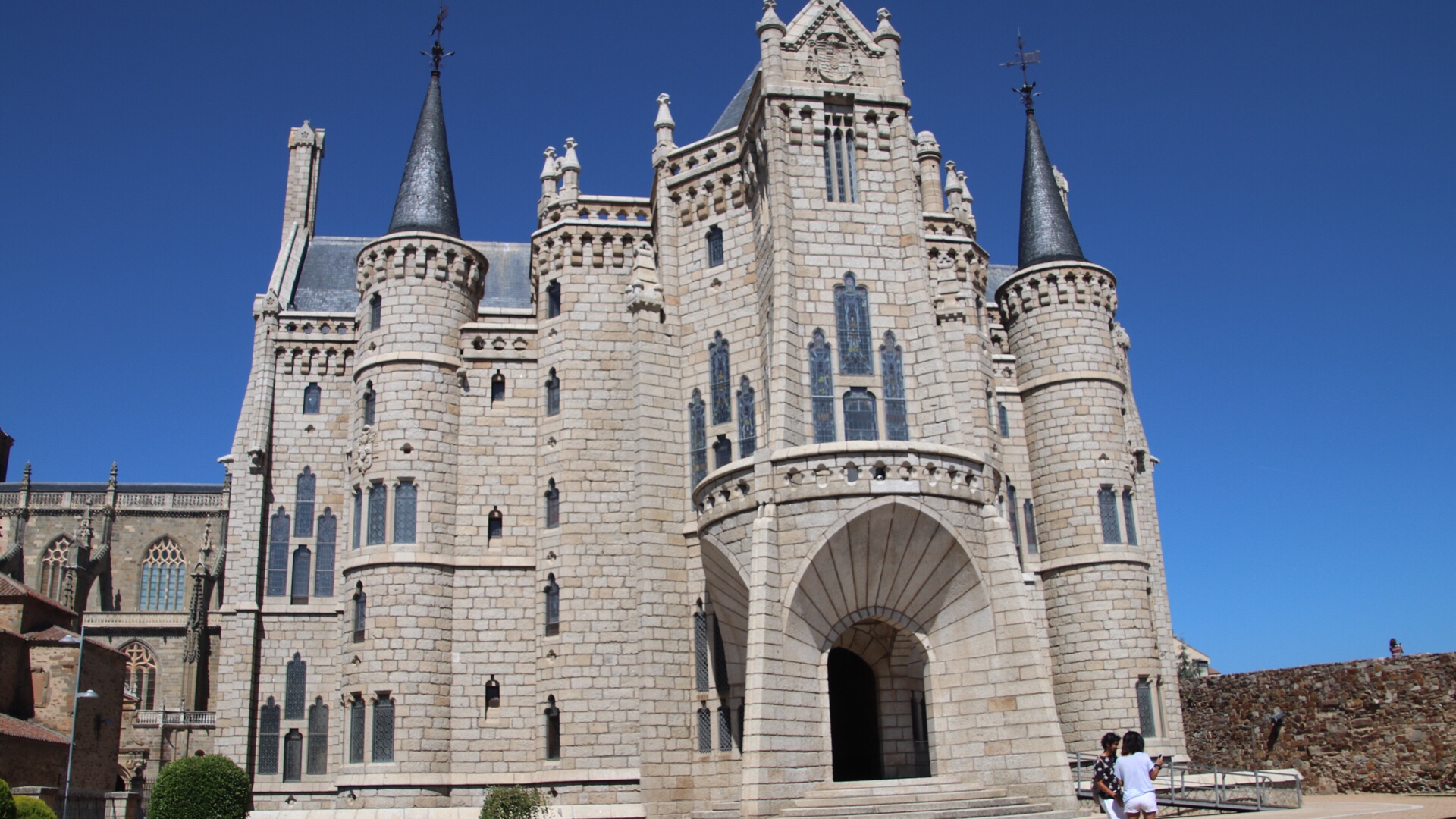
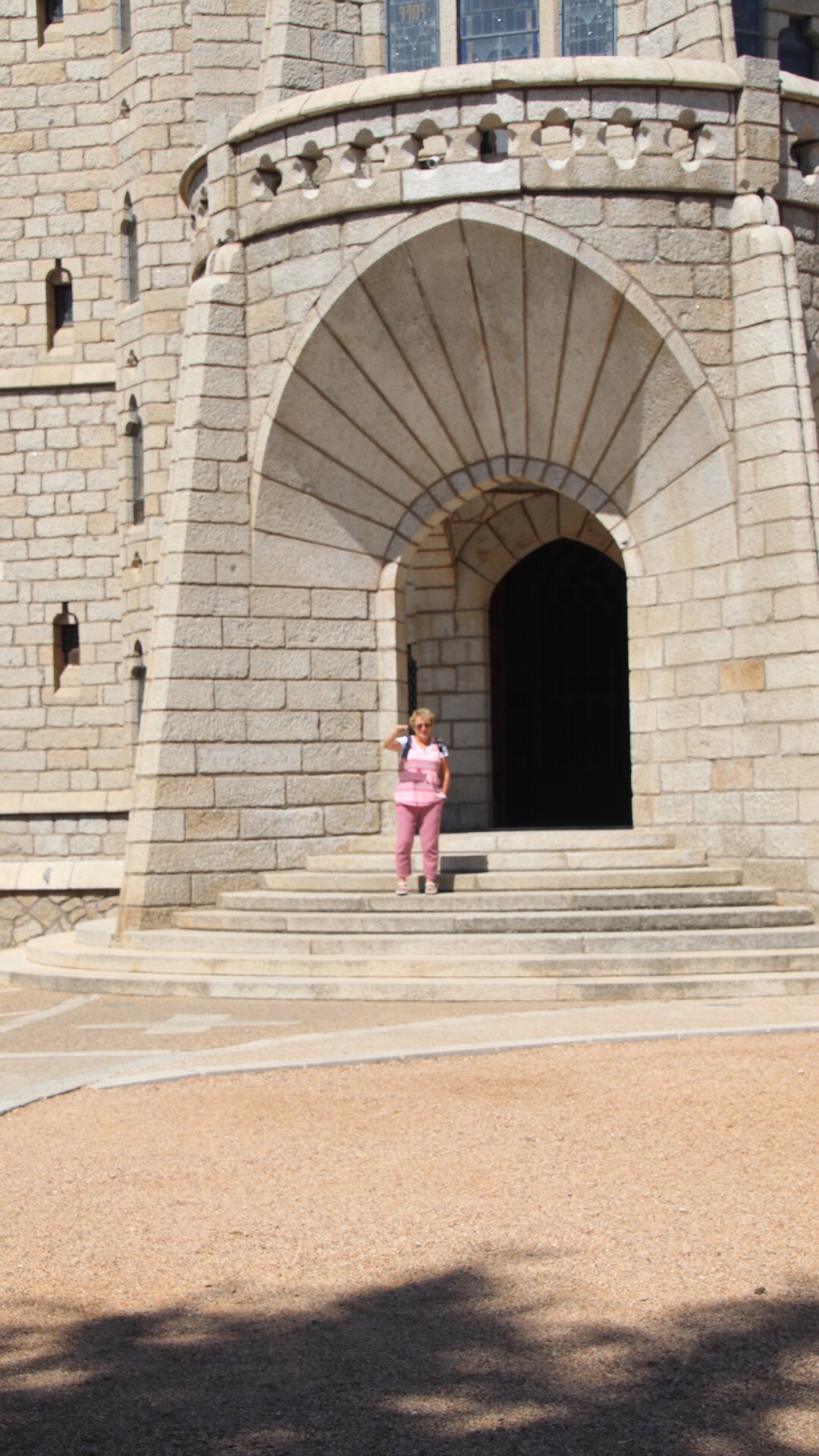
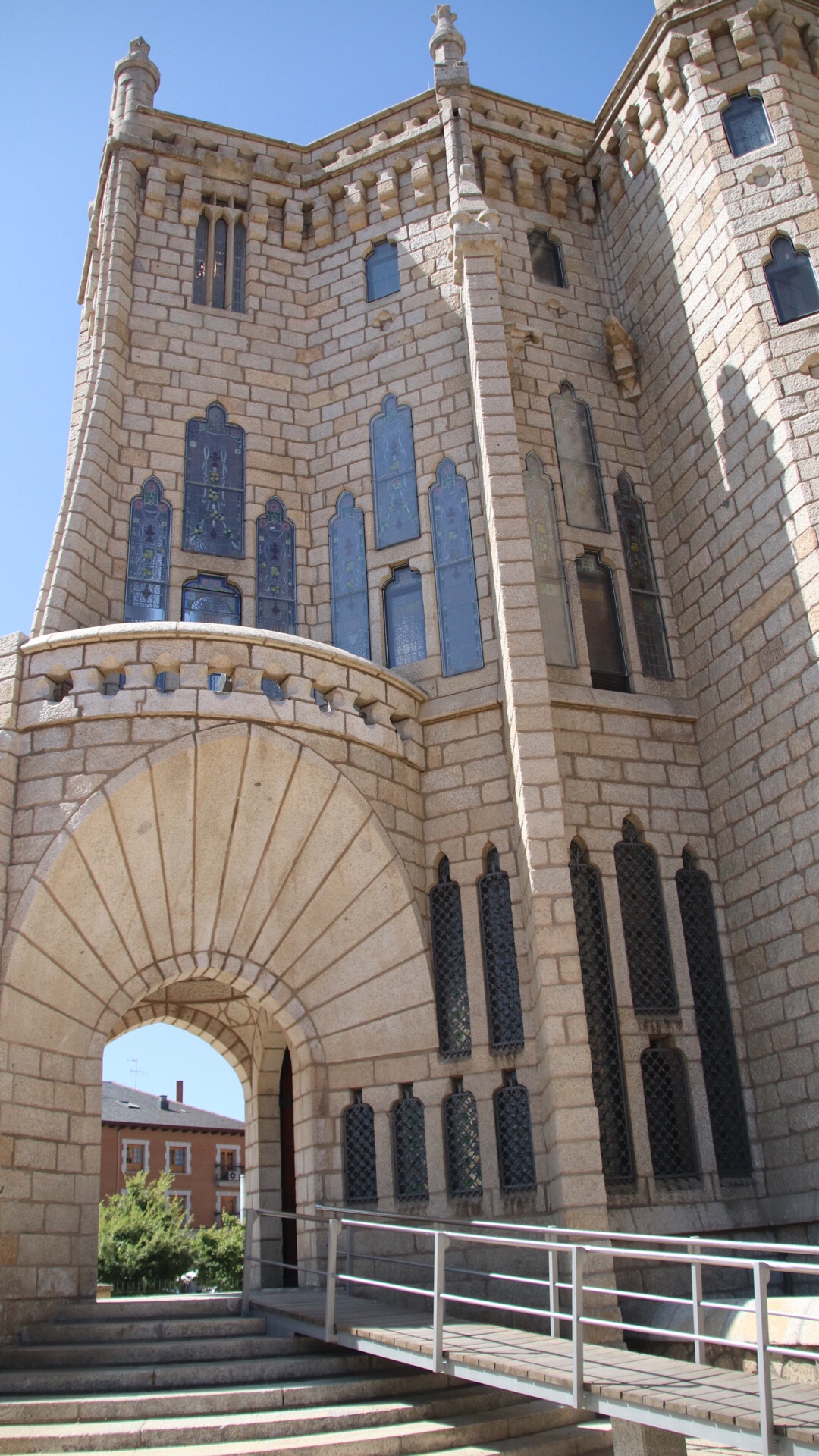
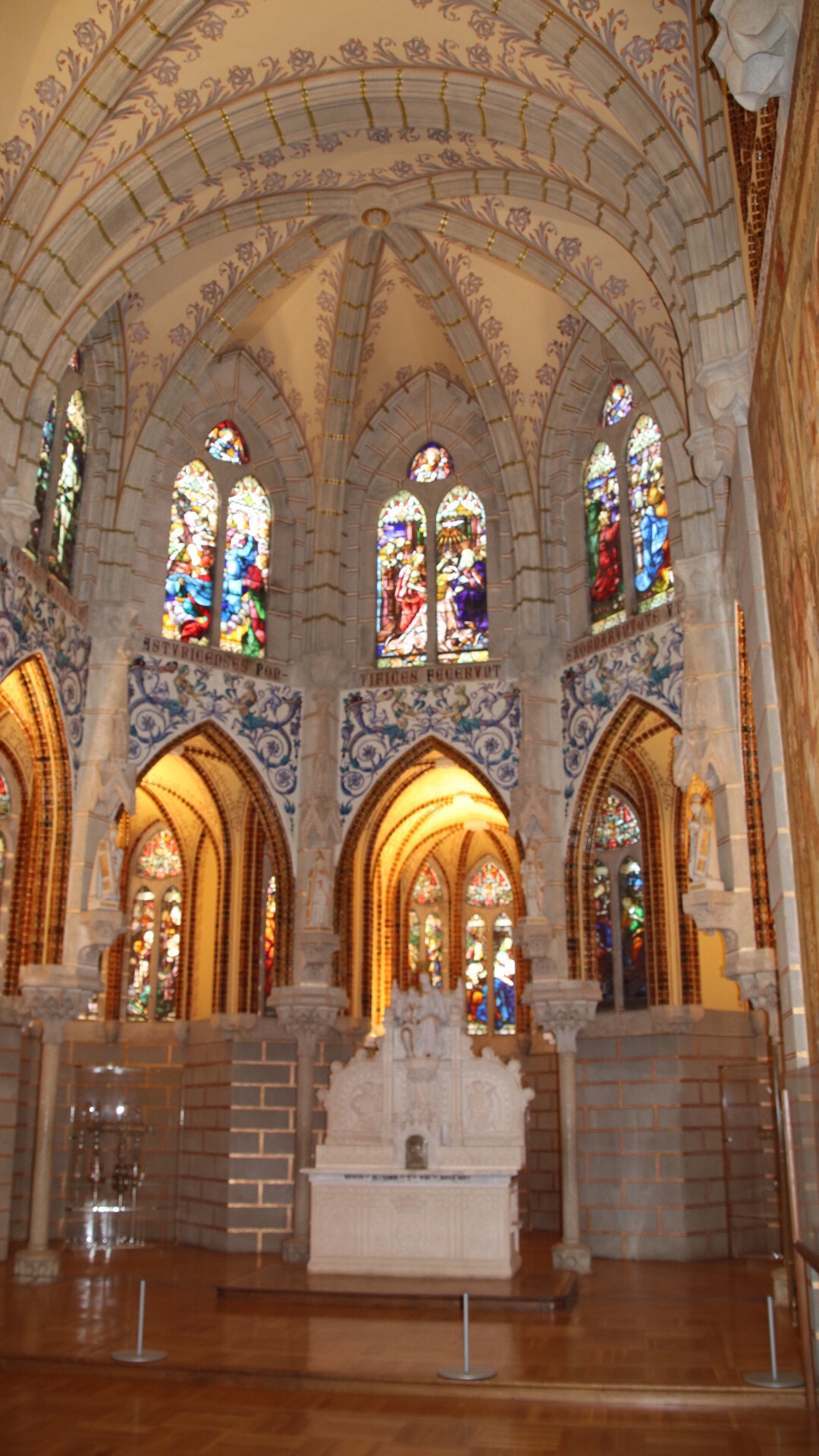
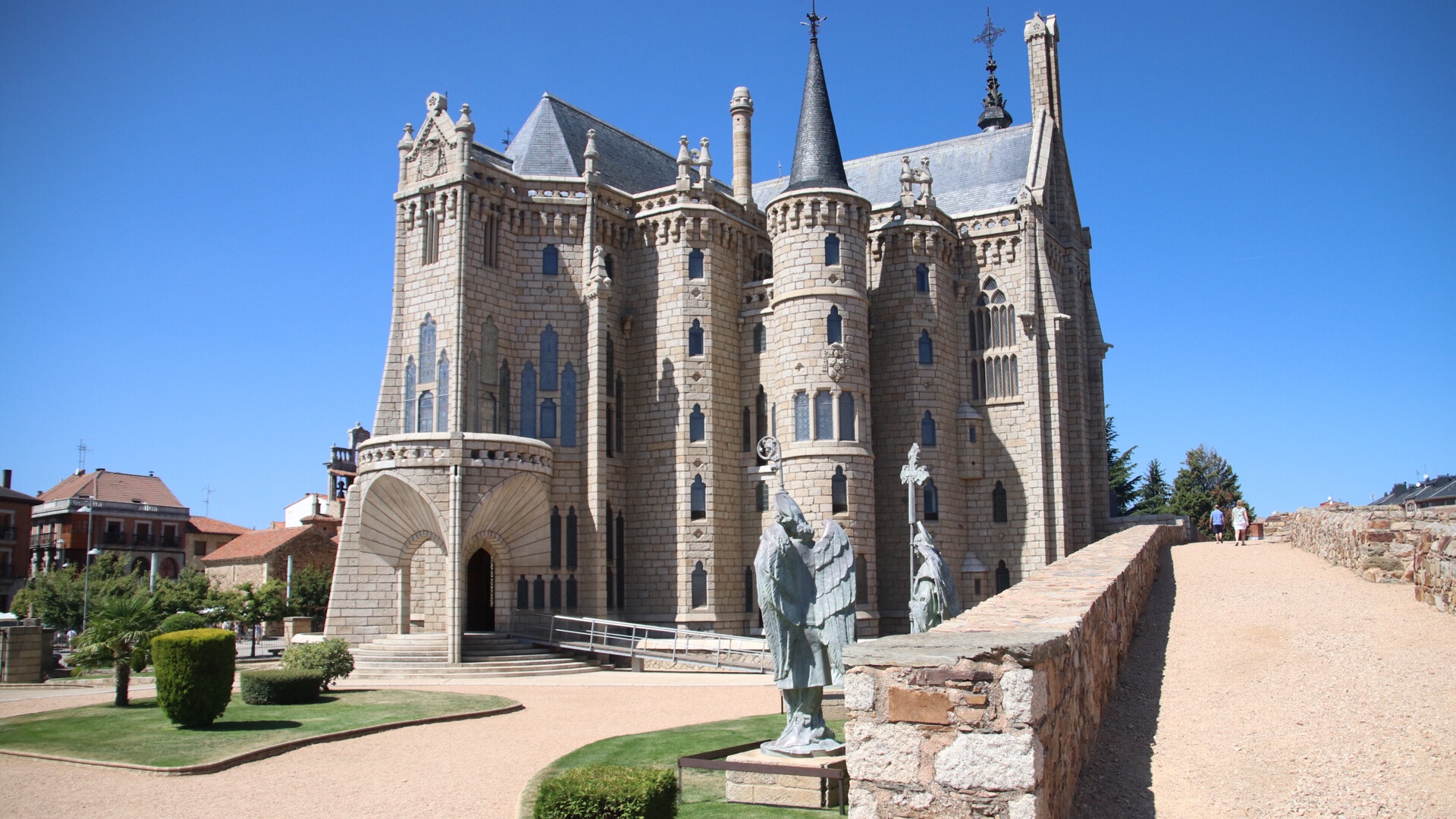
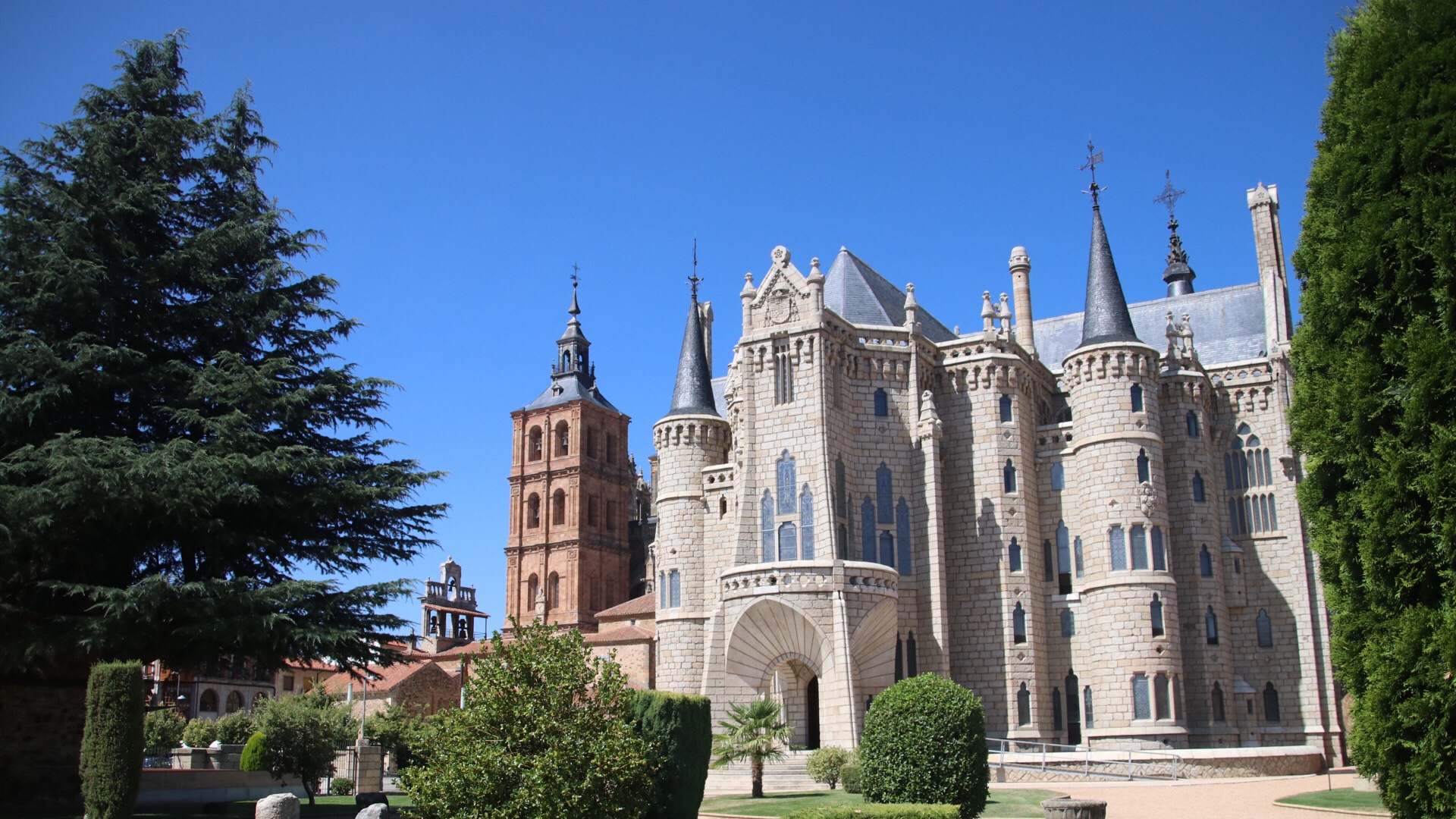
Astorga’s walled town preserves churches, convents and hospitals which take travellers back to the purest tradition of the Pilgrim’s Road. Another outstanding feature in the town’s streets is a culminating work by the Modernist architect Antoni Gaudí: the Bishop’s Palace and it is in this building that you can learn more about this tradition in the Pilgrims’ Museum.
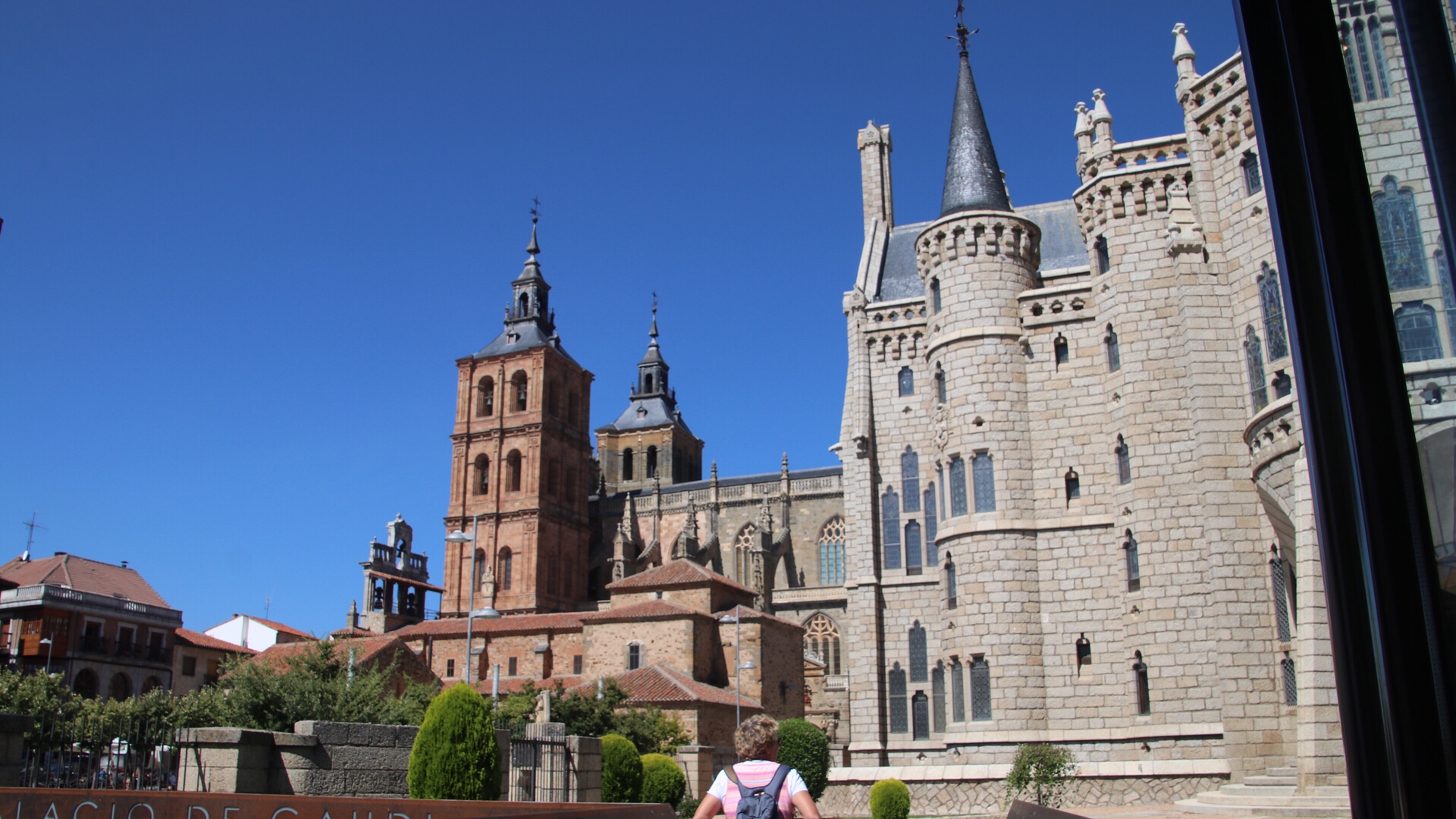
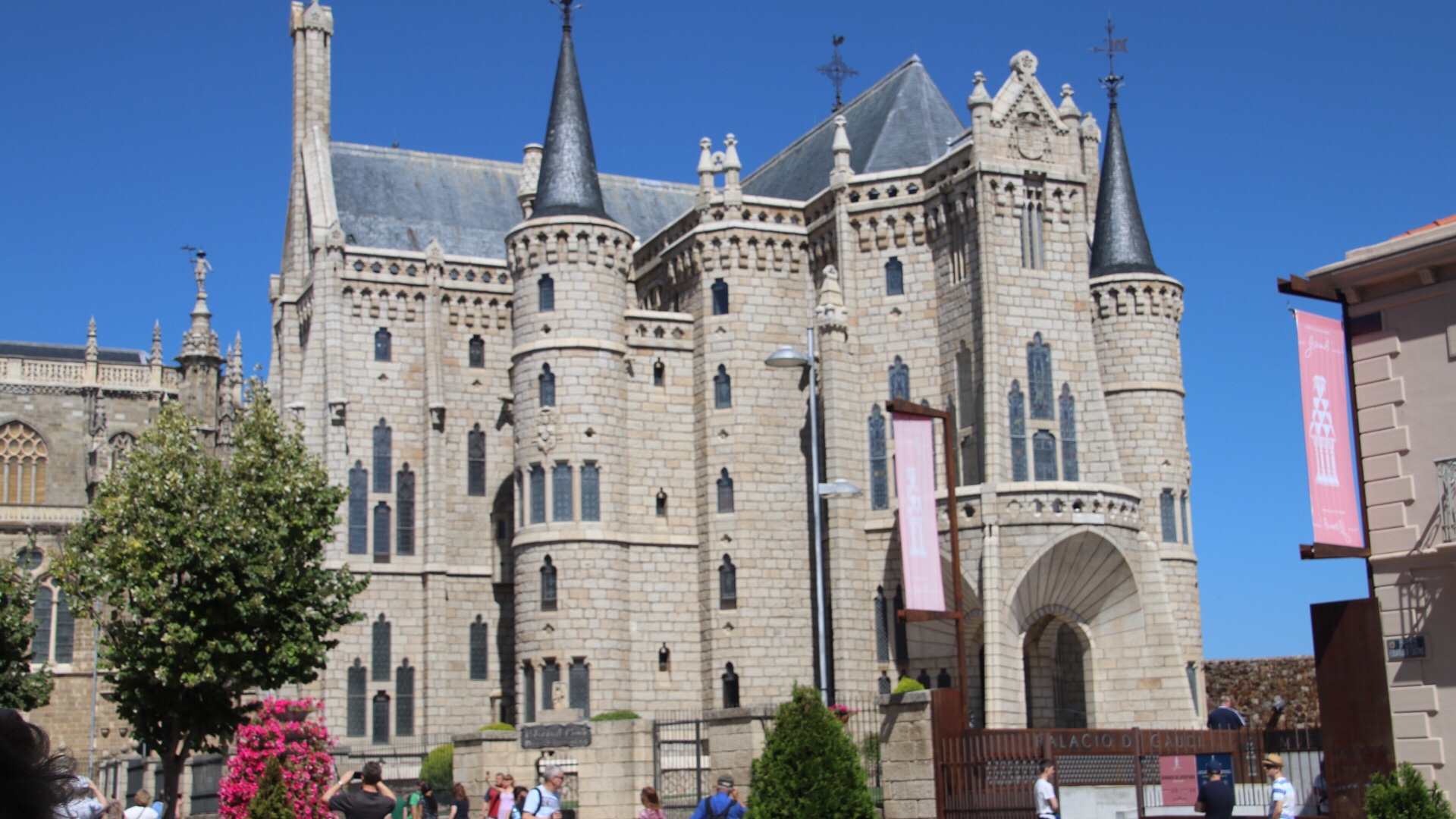
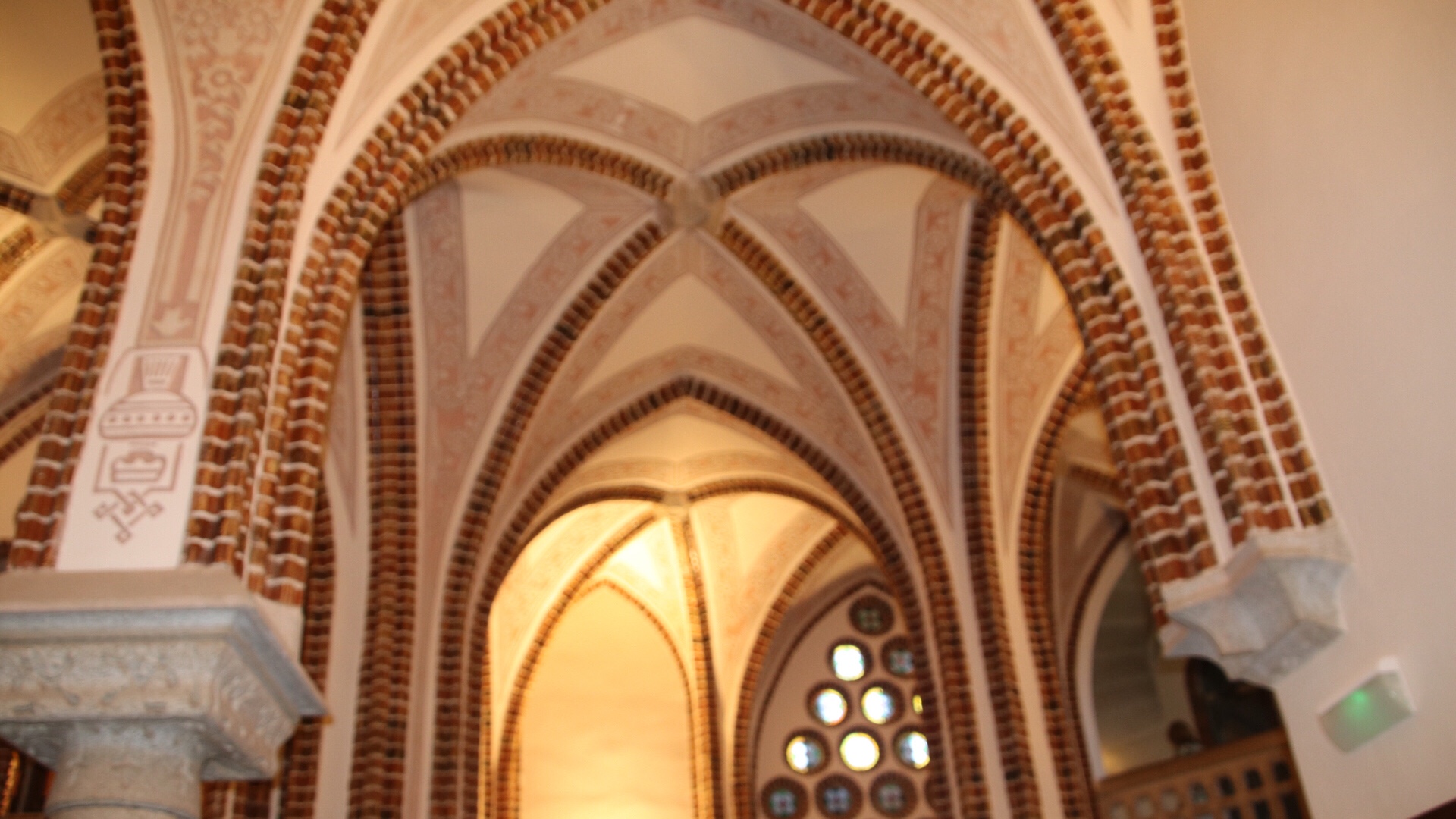
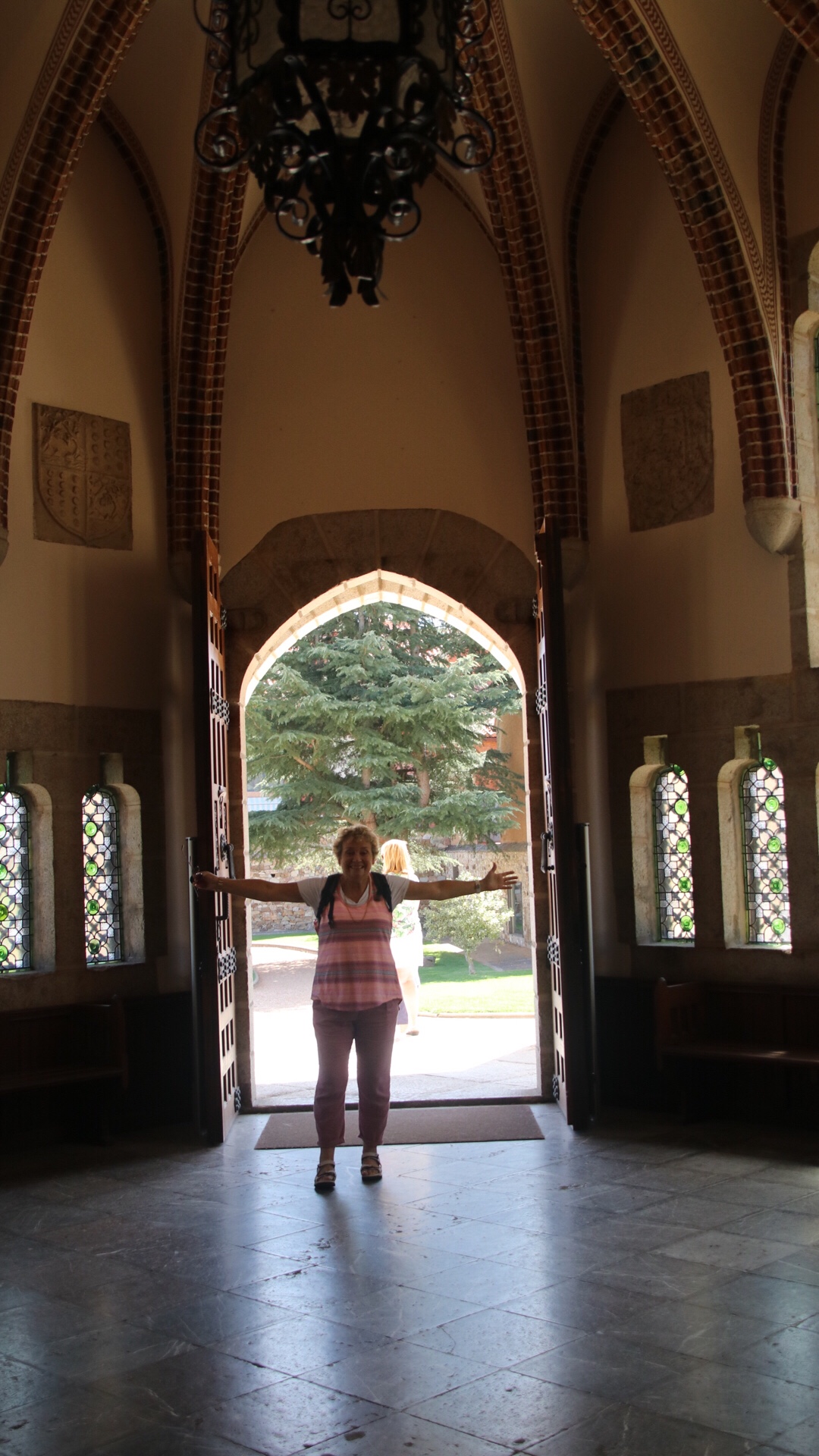
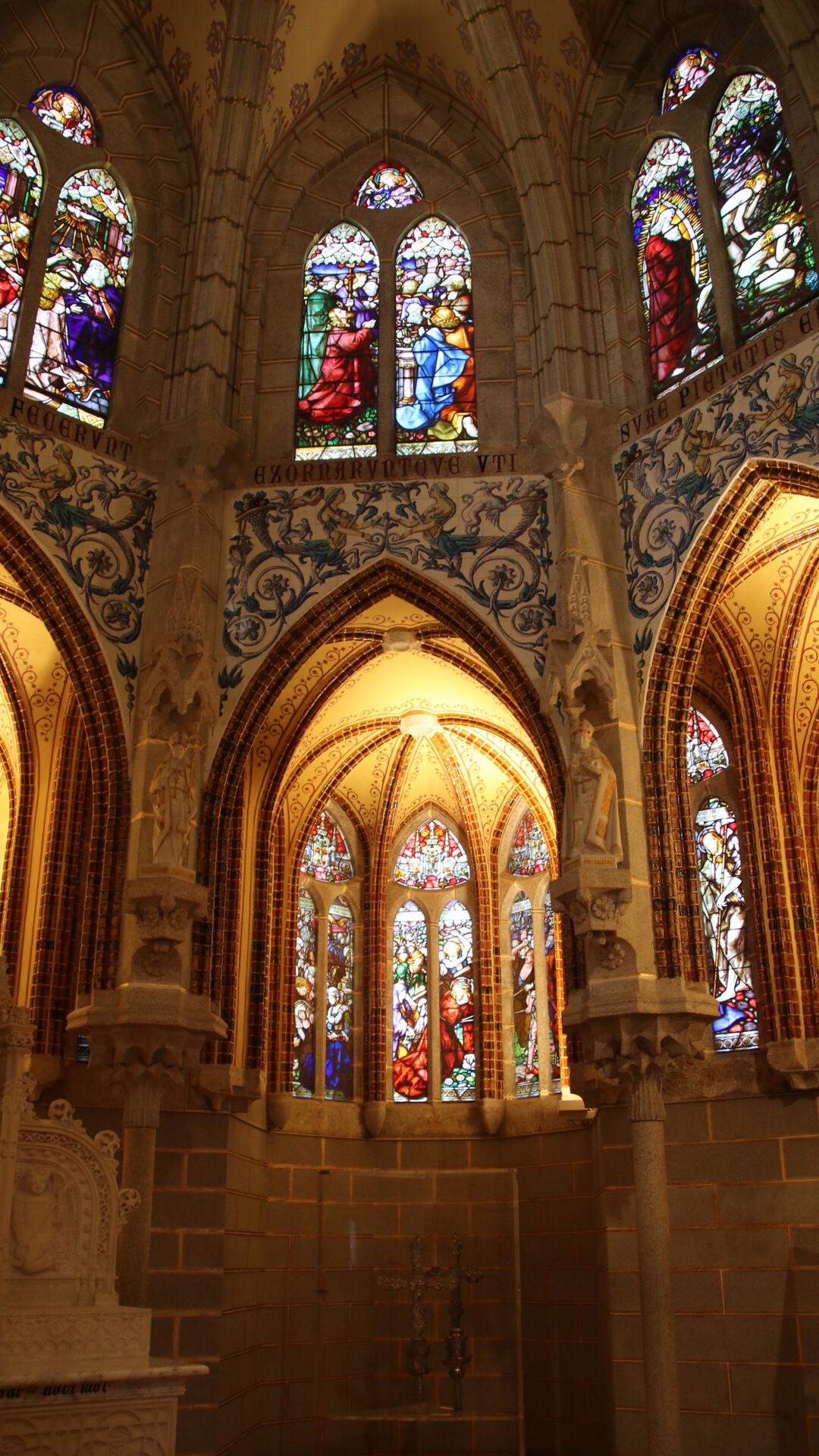
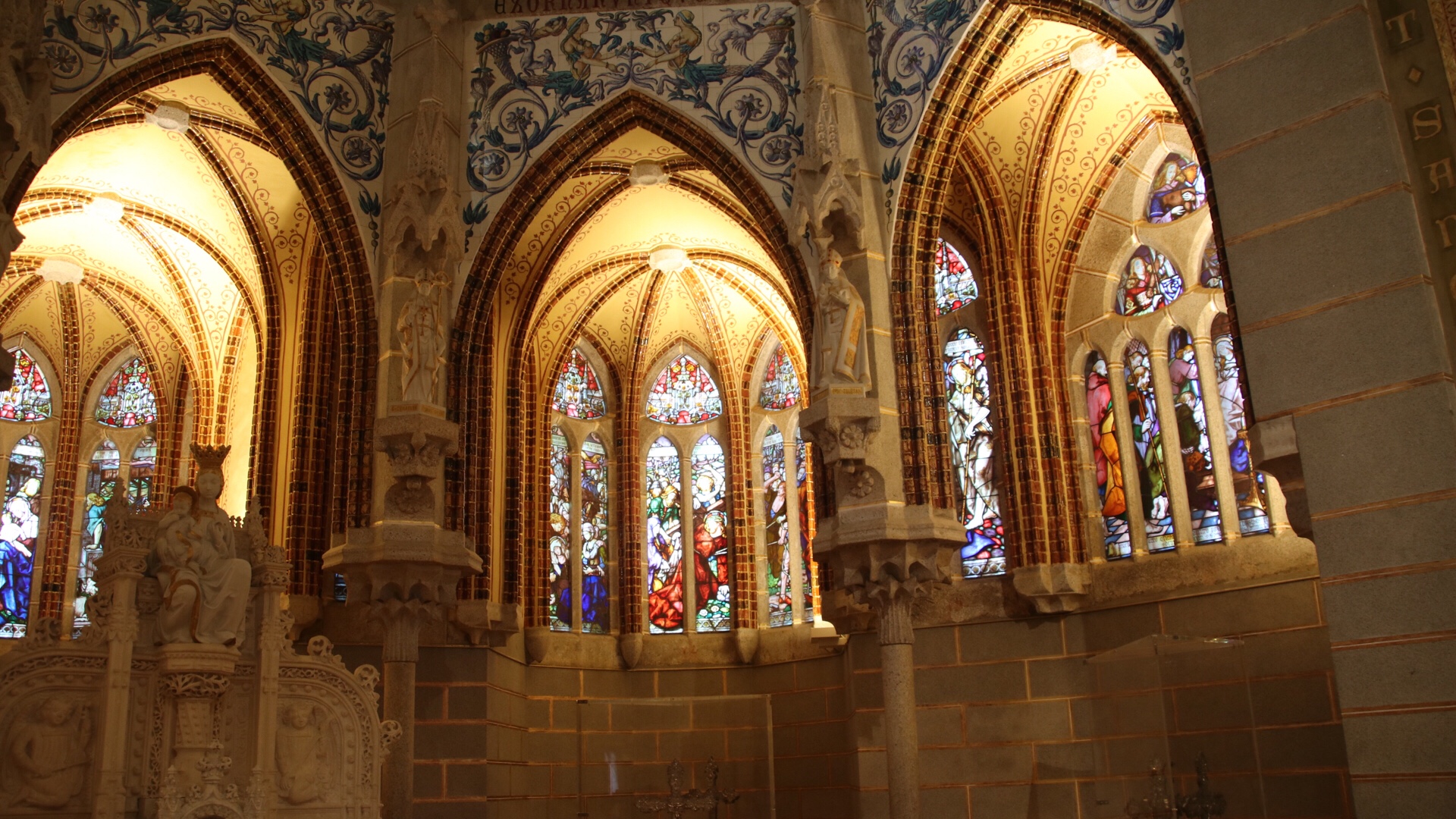
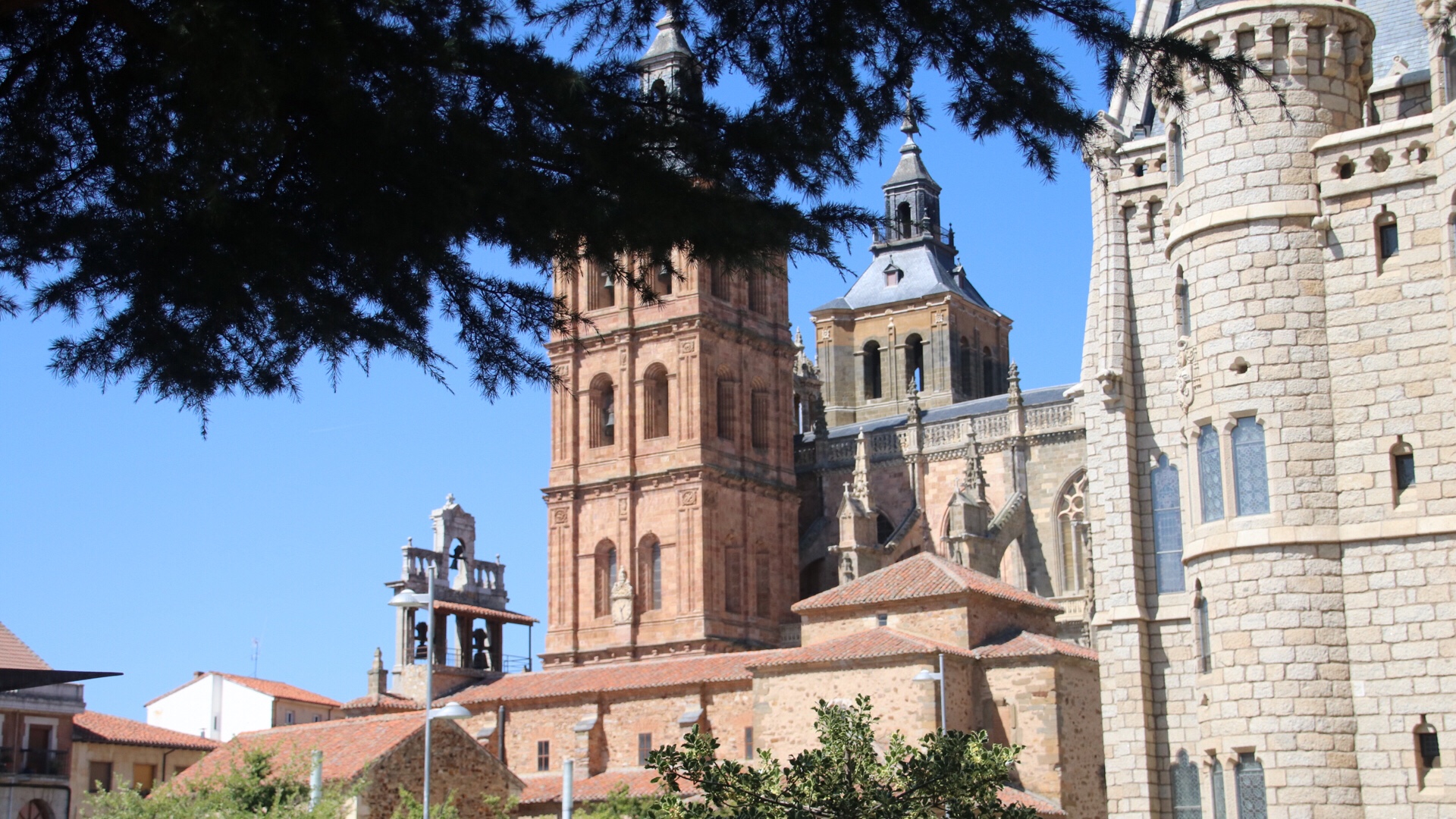
This Episcopal Palace which was built between 1889 and 1913 by the Catalan architect Antoni Gaudi. He decided to build the palace in granite creating a strong contrast with the Roman Walls and the red sandstone of the cathedral. Gaudi managed to make light an integral part of the building with each room offering a different shape and view at different times of the day. Gaudi never completed the building and no bishop ever lived in it. It has a bit of a “Disneyesque” look about it 😜
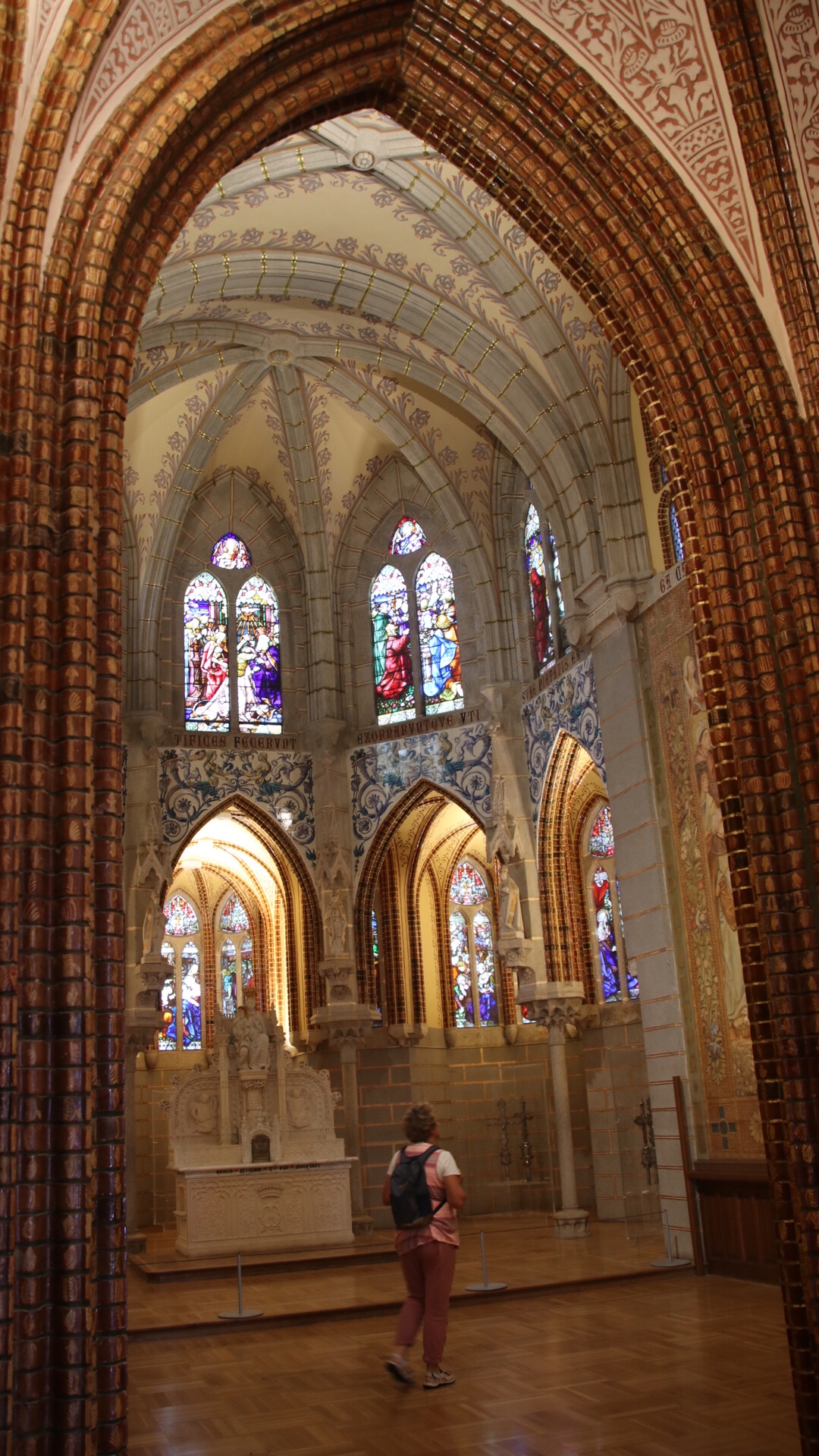
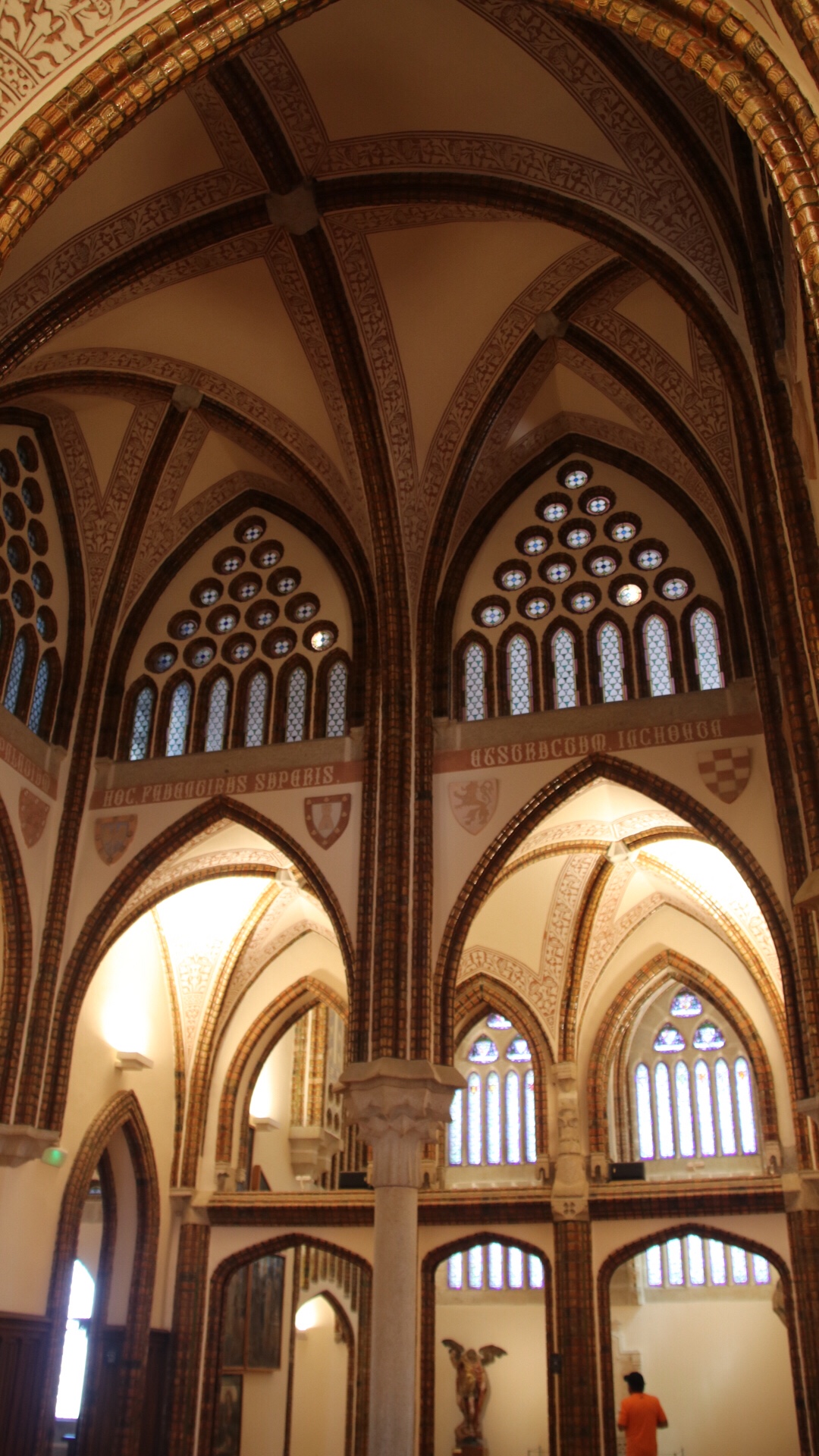
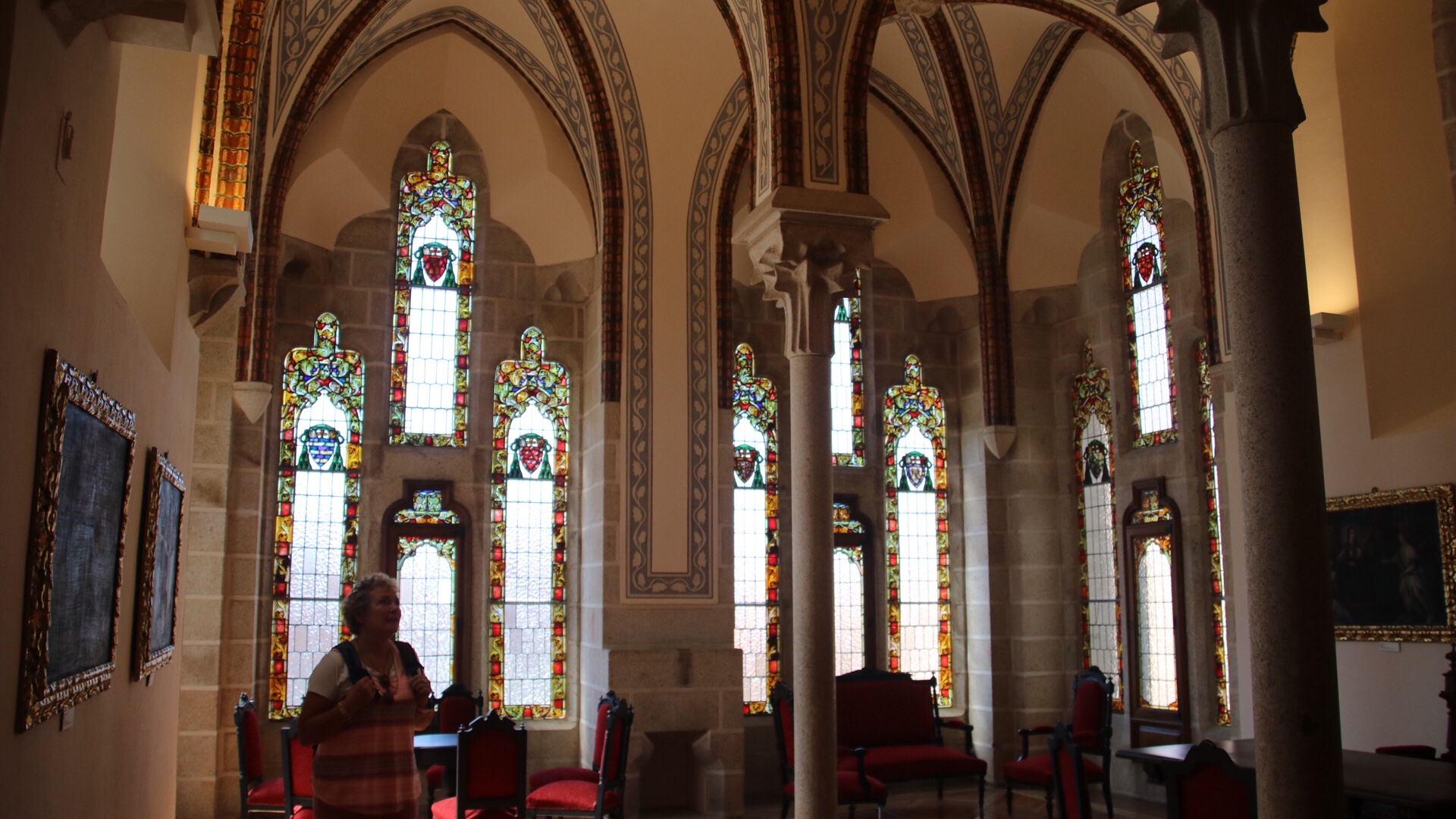
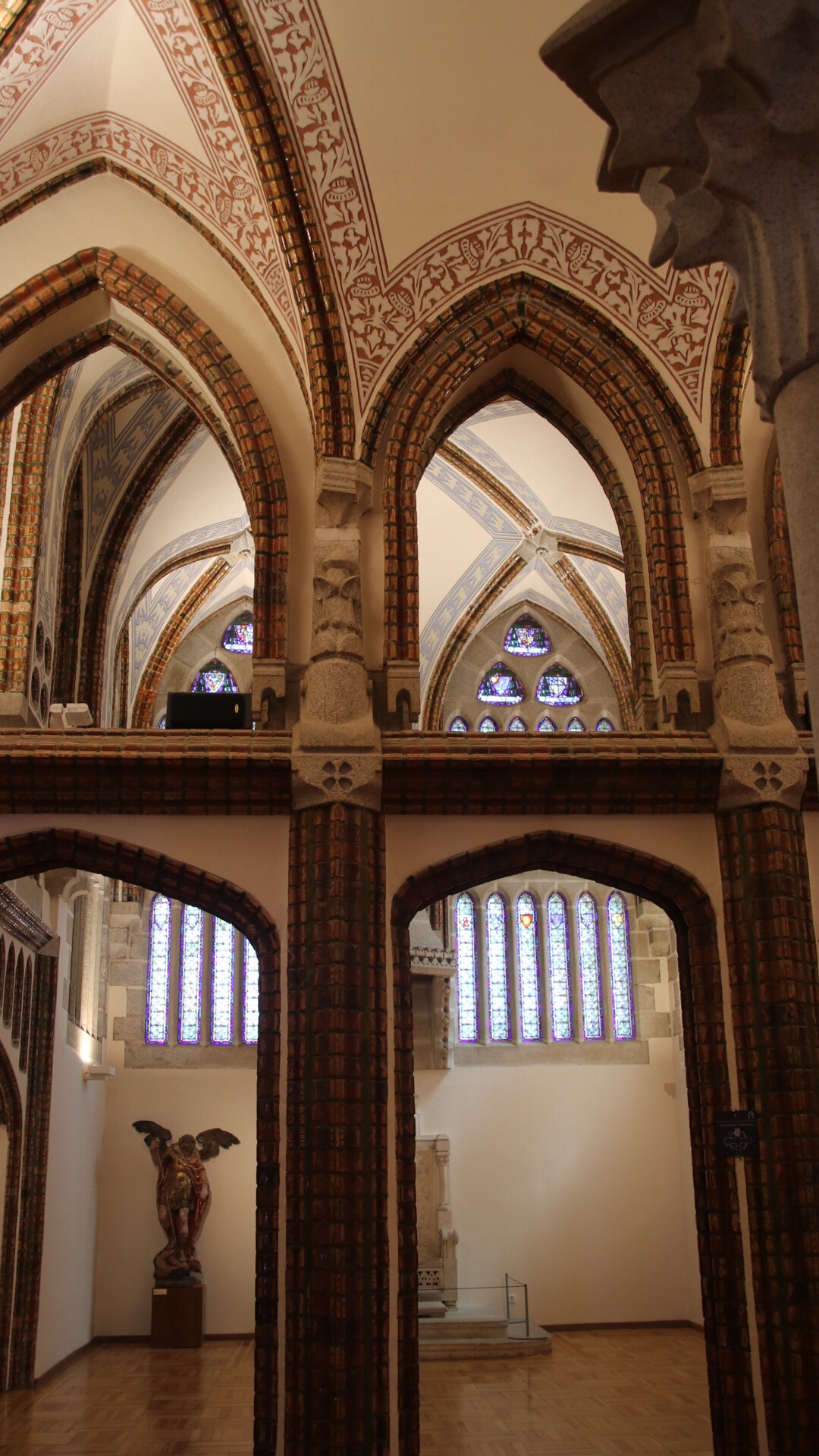
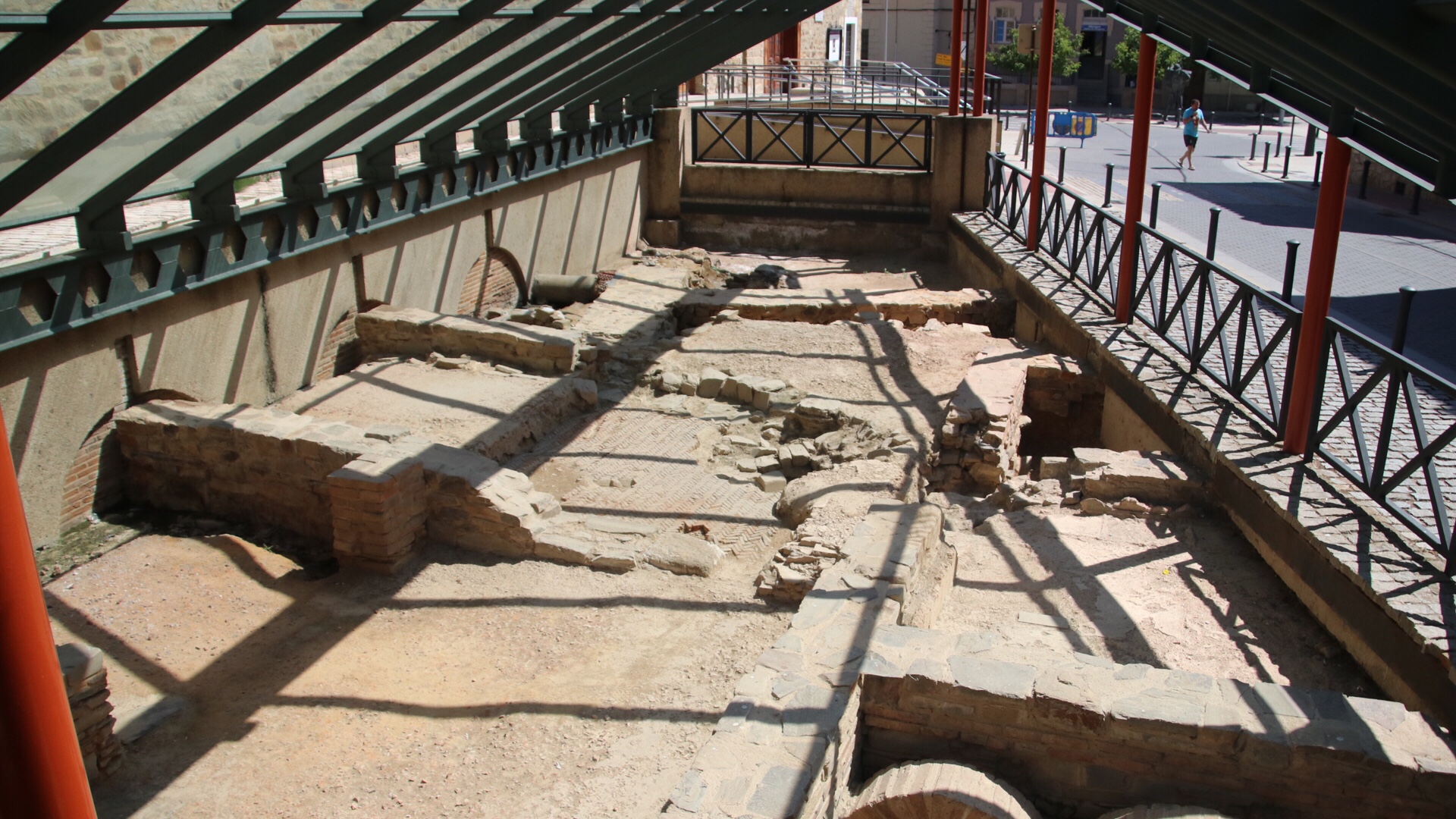
Astorga, the old Asturica Augustea was established under the Roman empire. Most of the archaeological findings dating from that historical period can be visited on the Roman Route, a circuit featuring interesting Roman ruins including sections of the basilica, thermal baths, mansions and part of the sewerage system.
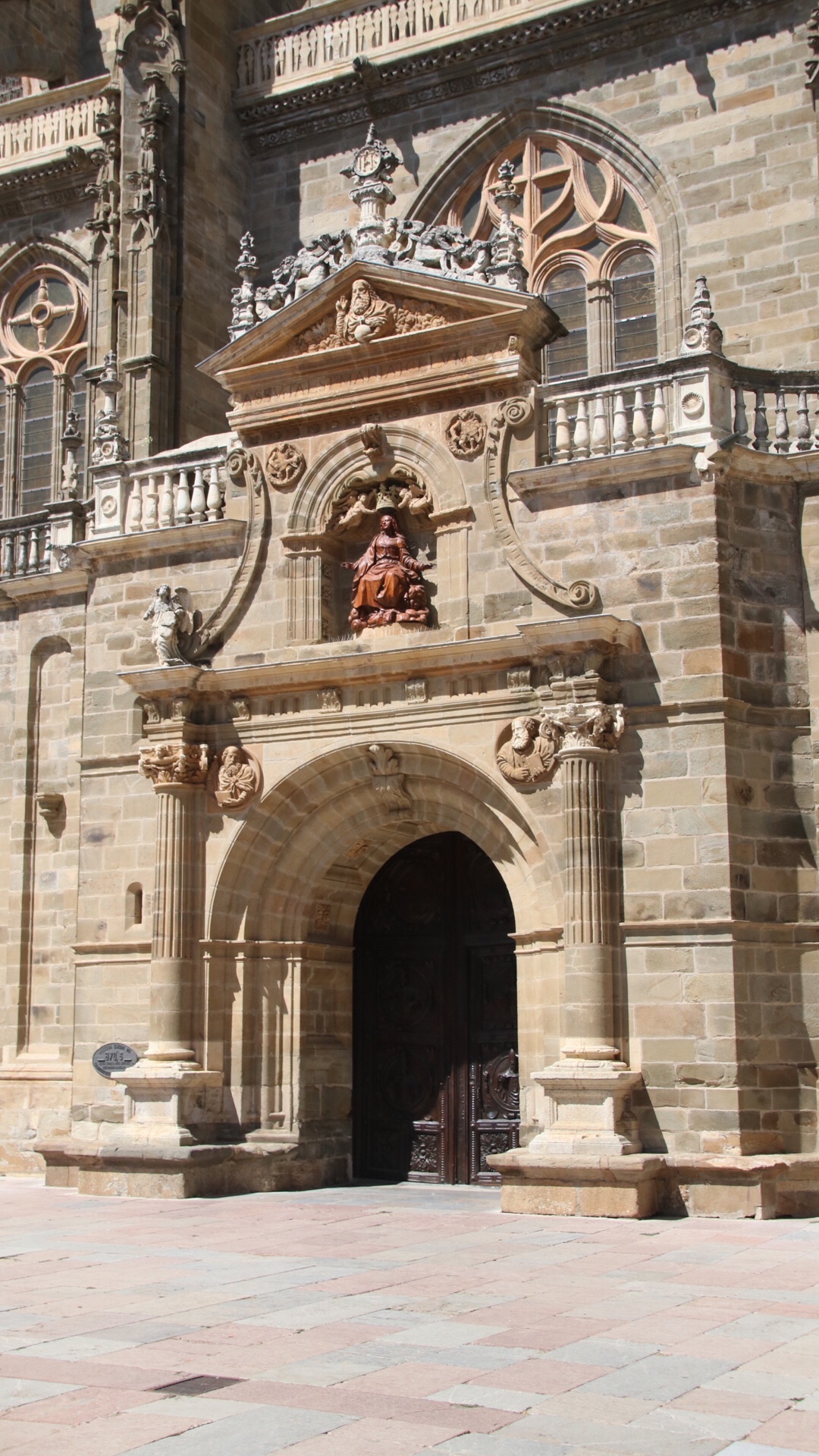
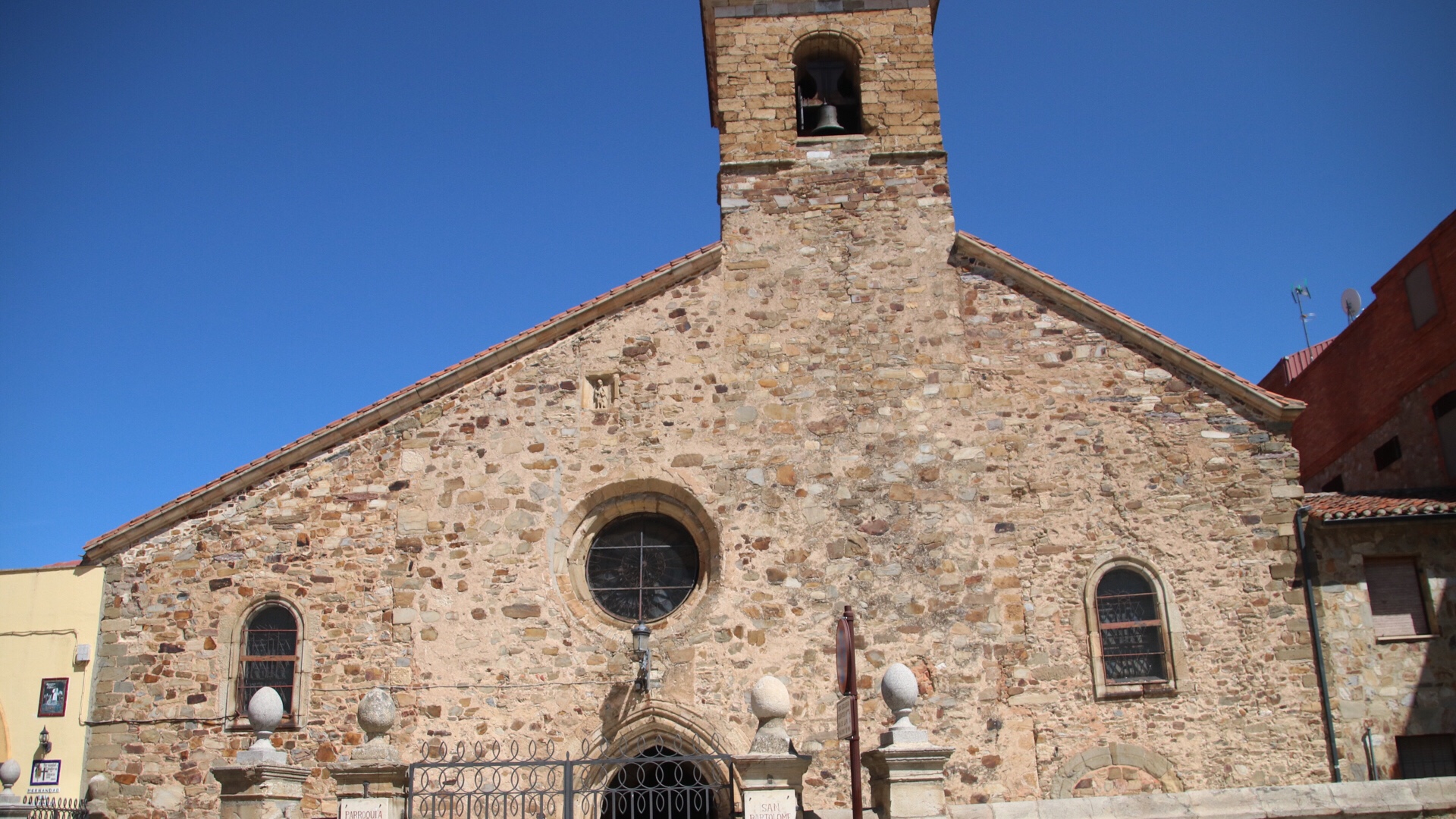
The Puerta del Sol gate gives access onto the walled enclosure, in which the most important monument is the cathedral. Work on the current building started in the 15th century and continued until the 17th century. This is the reason its layout has Gothic, Renaissance and Baroque elements, in addition to works by master craftsmen from various different periods. The initial plans were by Gil de Hontañón, whereas the High Altar was designed by Gaspar Becerra. The Baroque carving of La Inmaculada is the work of the master sculptor Gregorio Fernández, and there is also a Romanesque sculpture of the Virgin of La Antigua, in addition to a silver chest belonging to Alfonso III the Great, a work of outstanding craftsmanship. Other important religious buildings with Baroque plasterwork include the churches of San Andrés, Santa Clara and San Bartolomé.
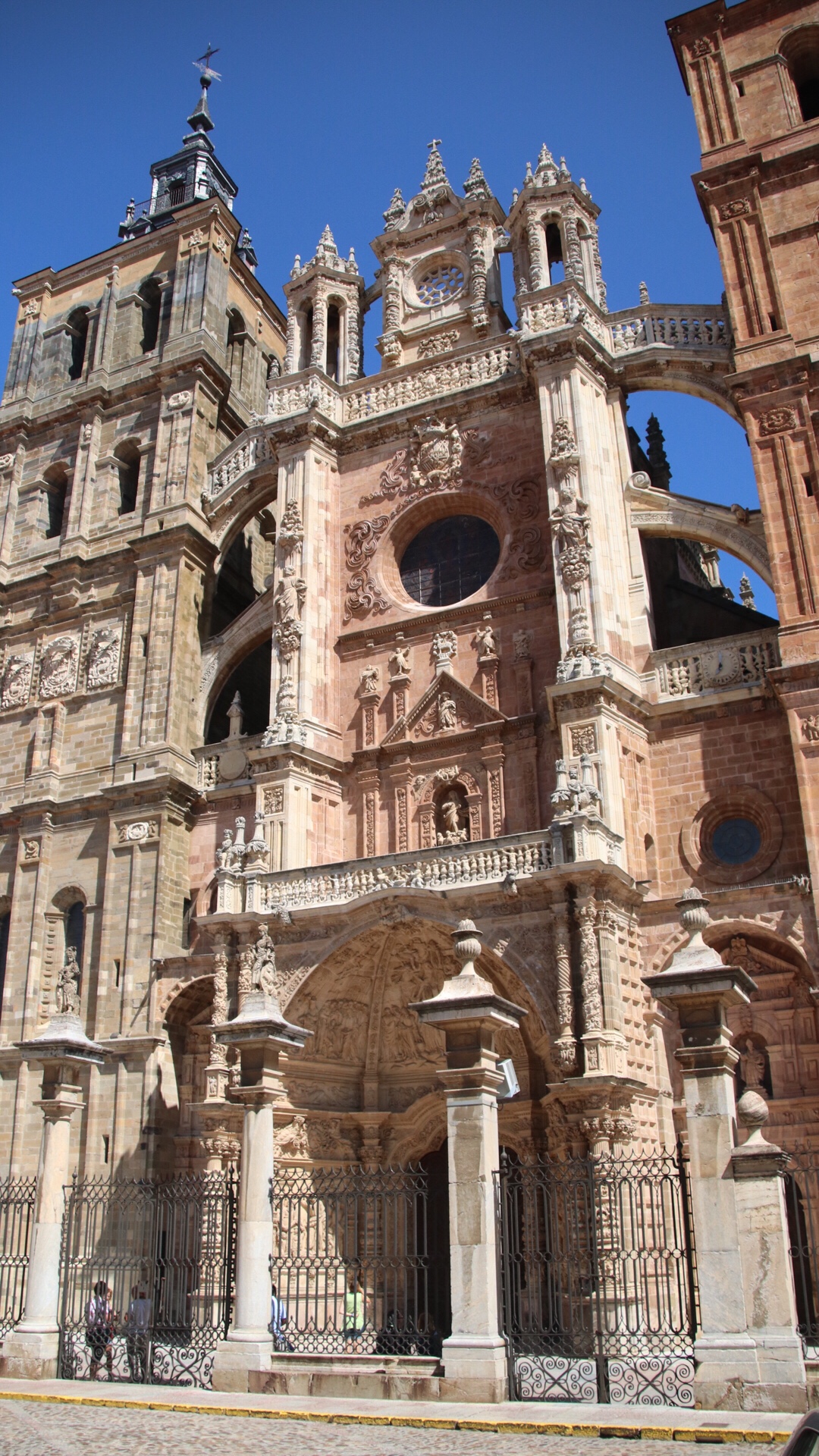
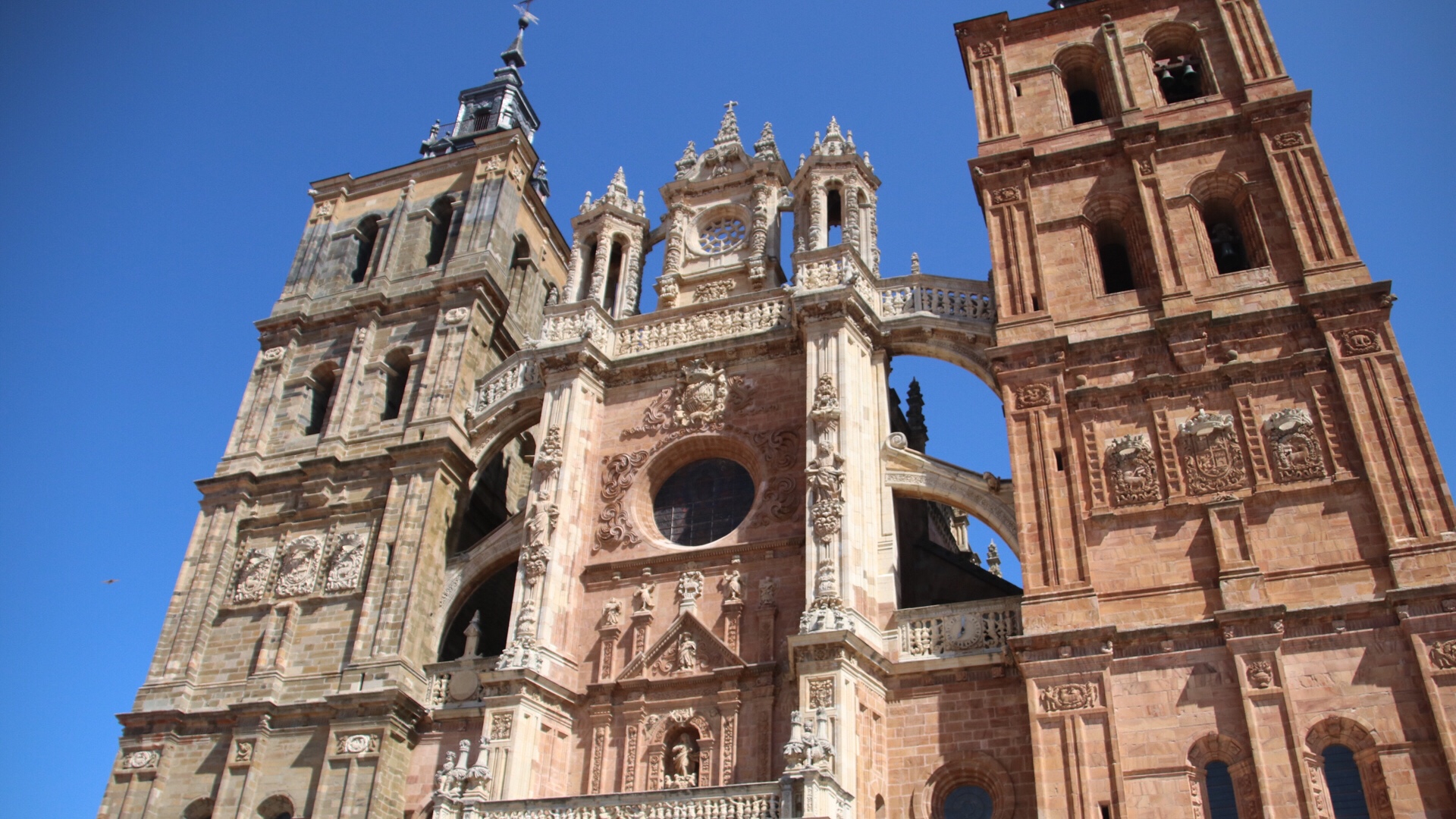
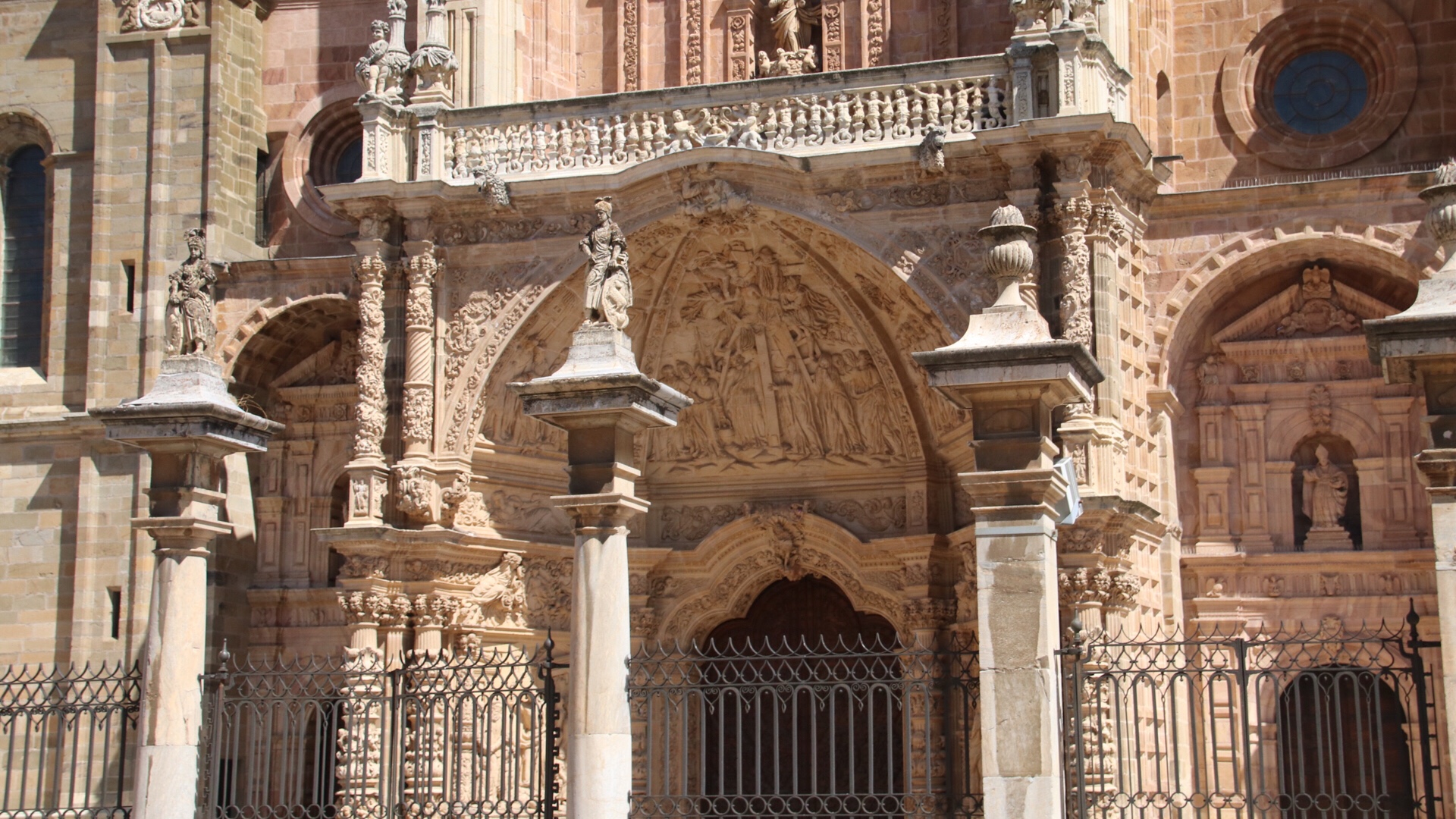
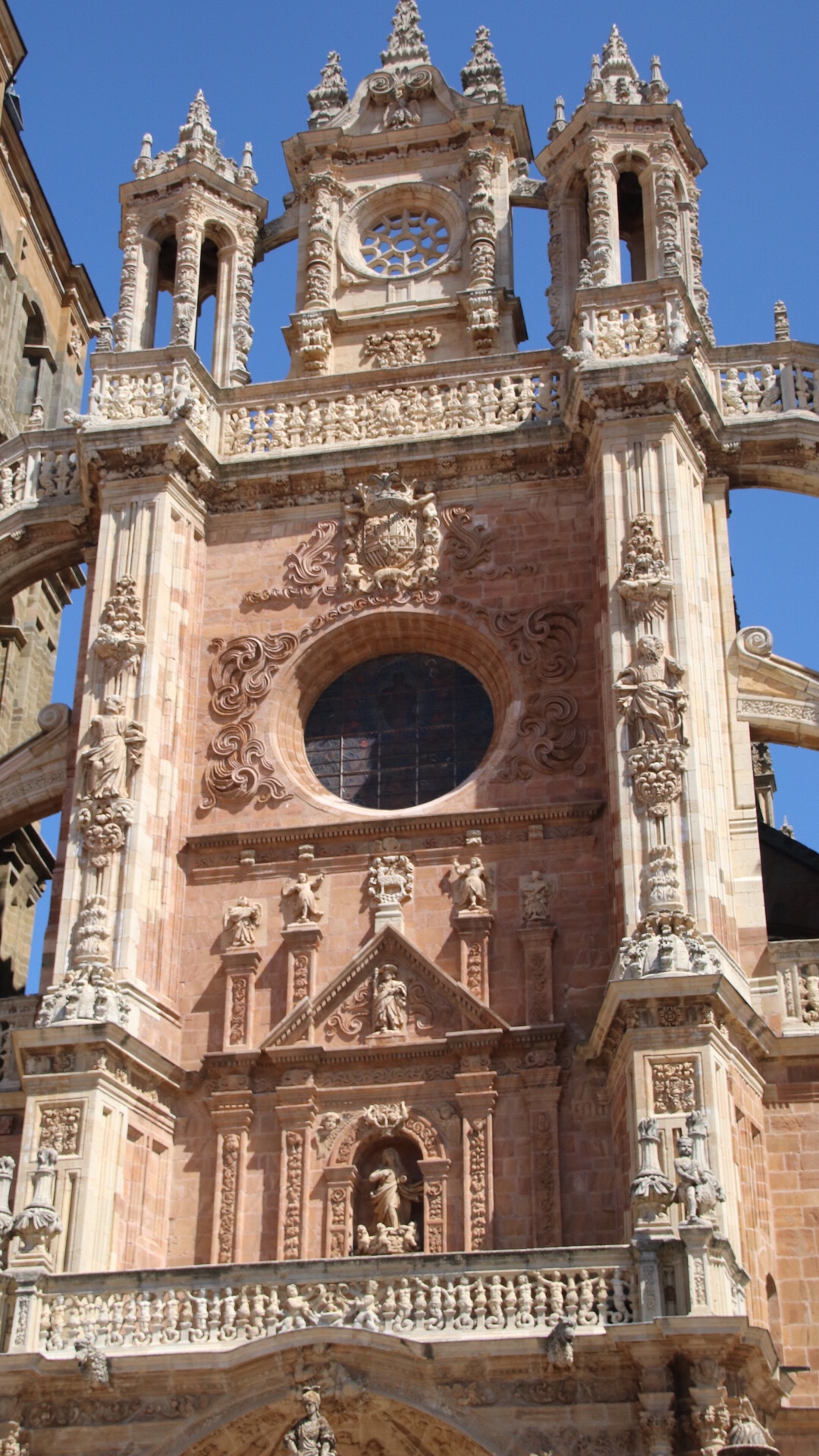
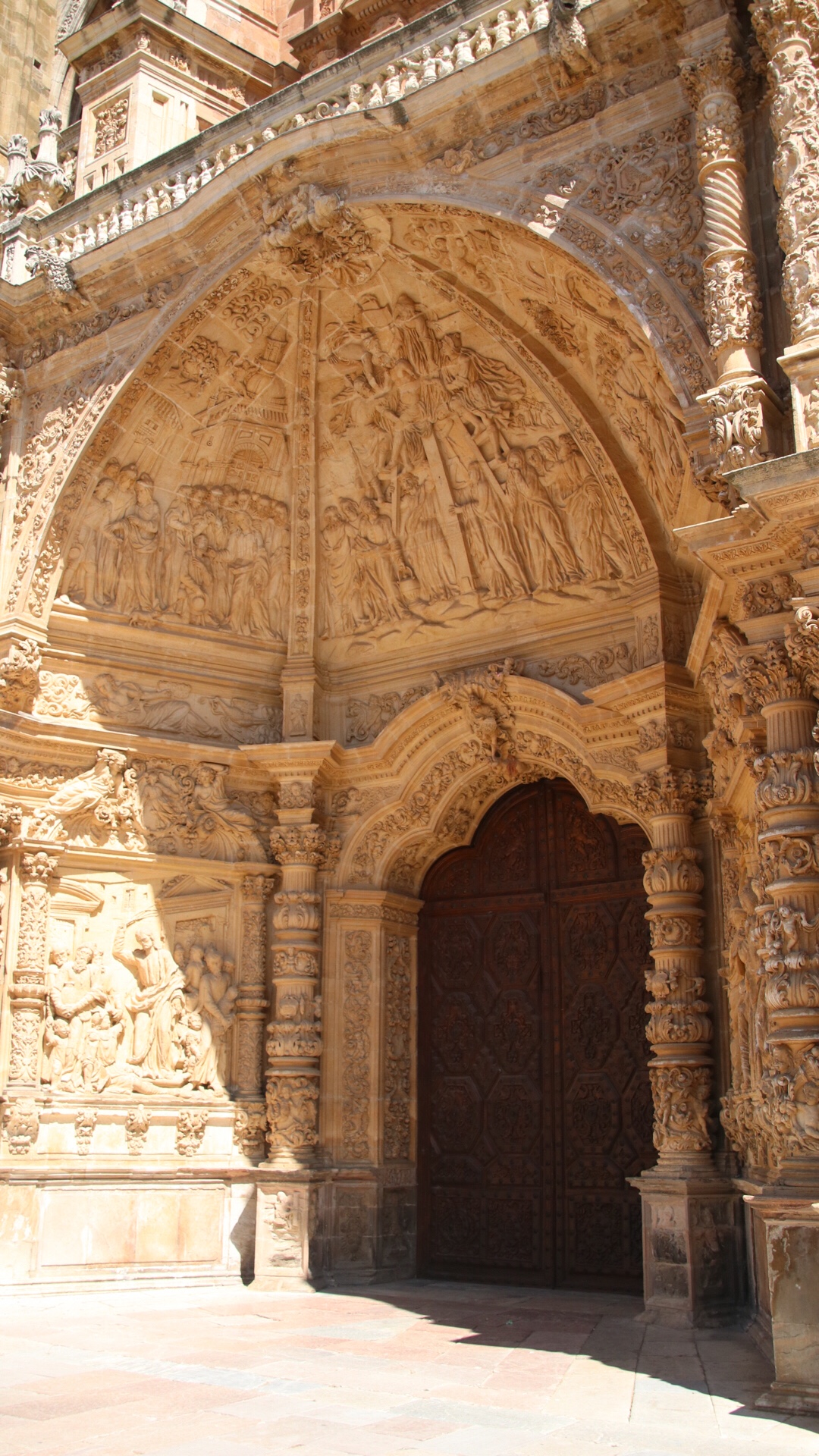
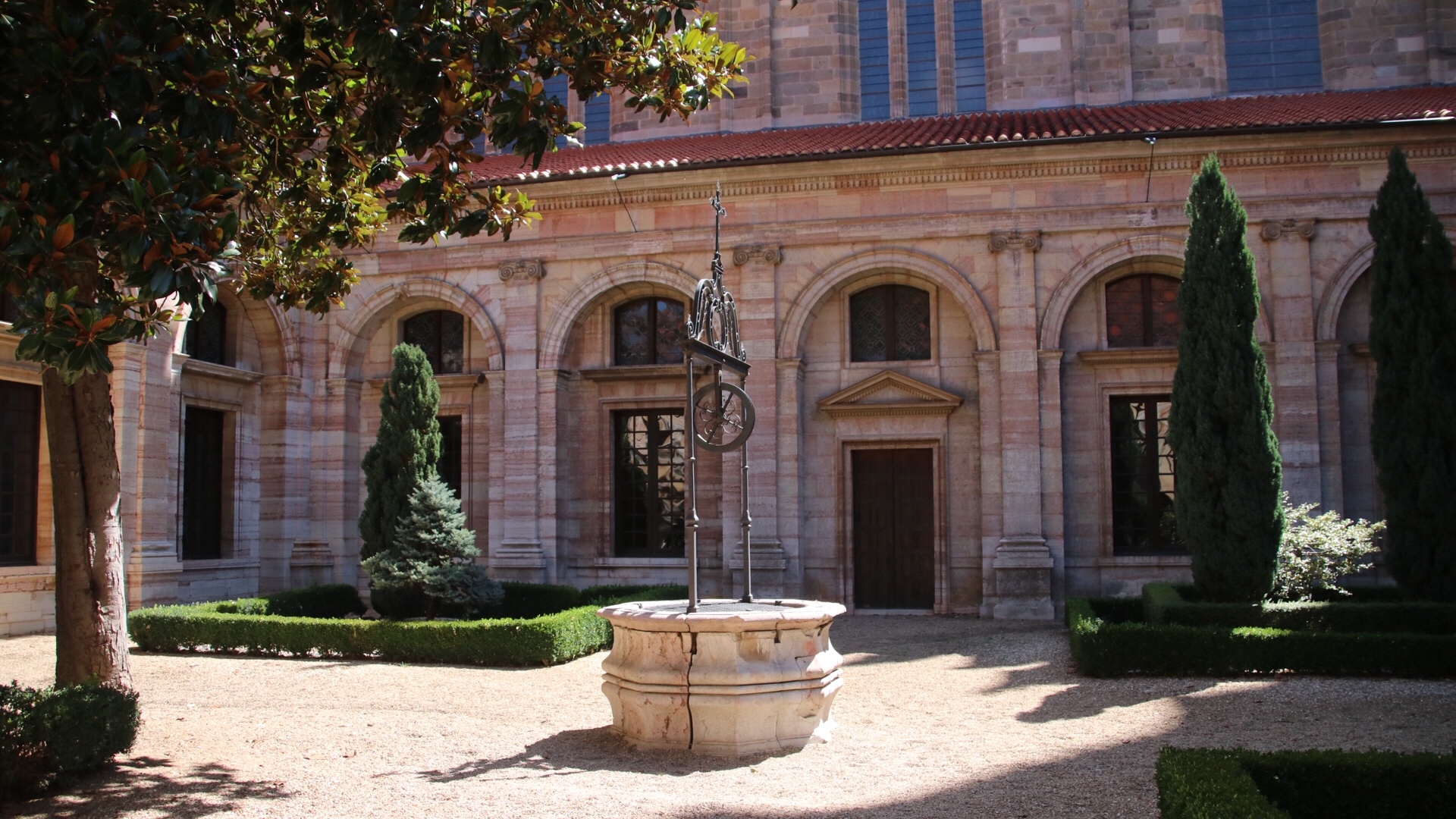
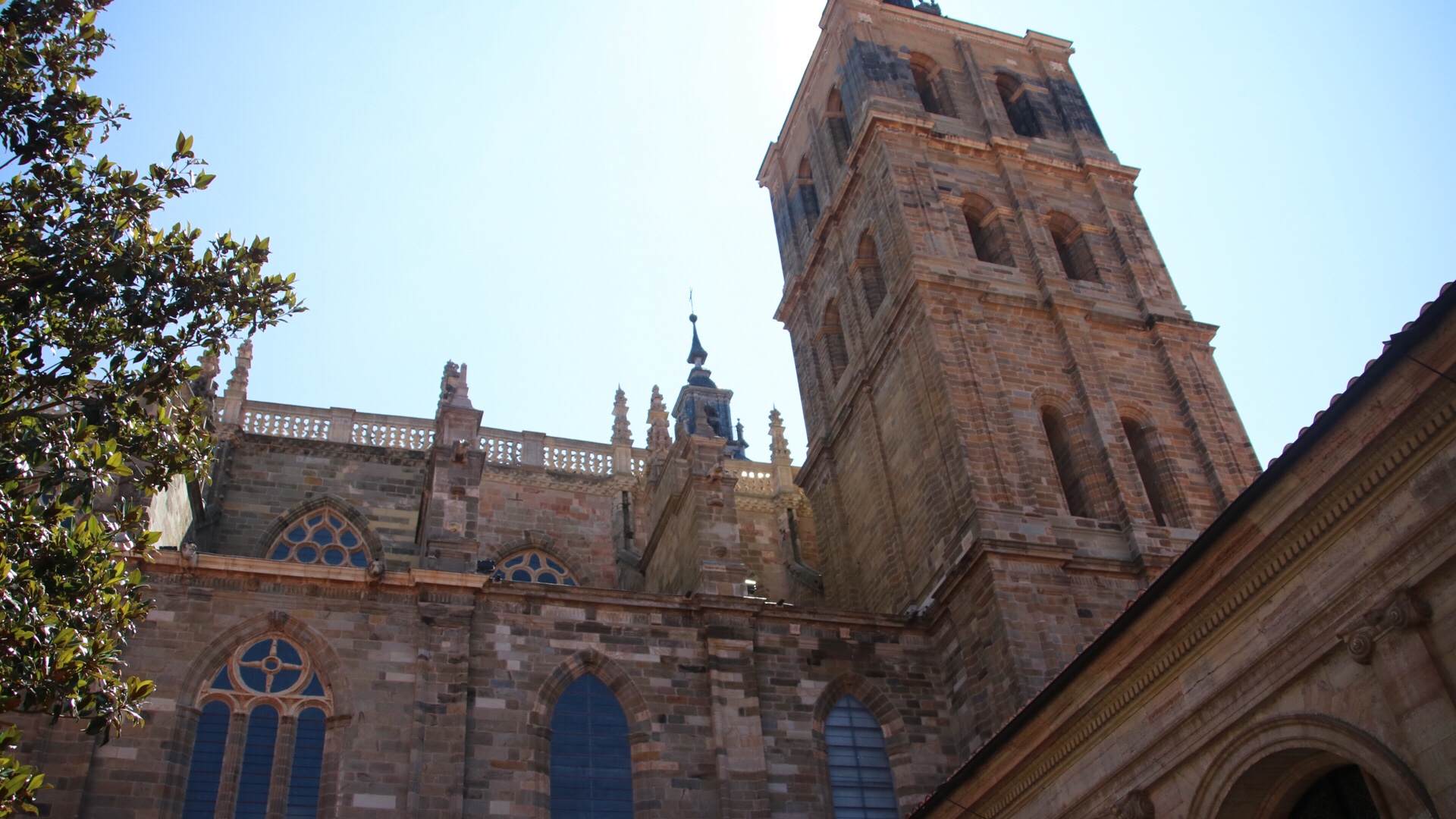
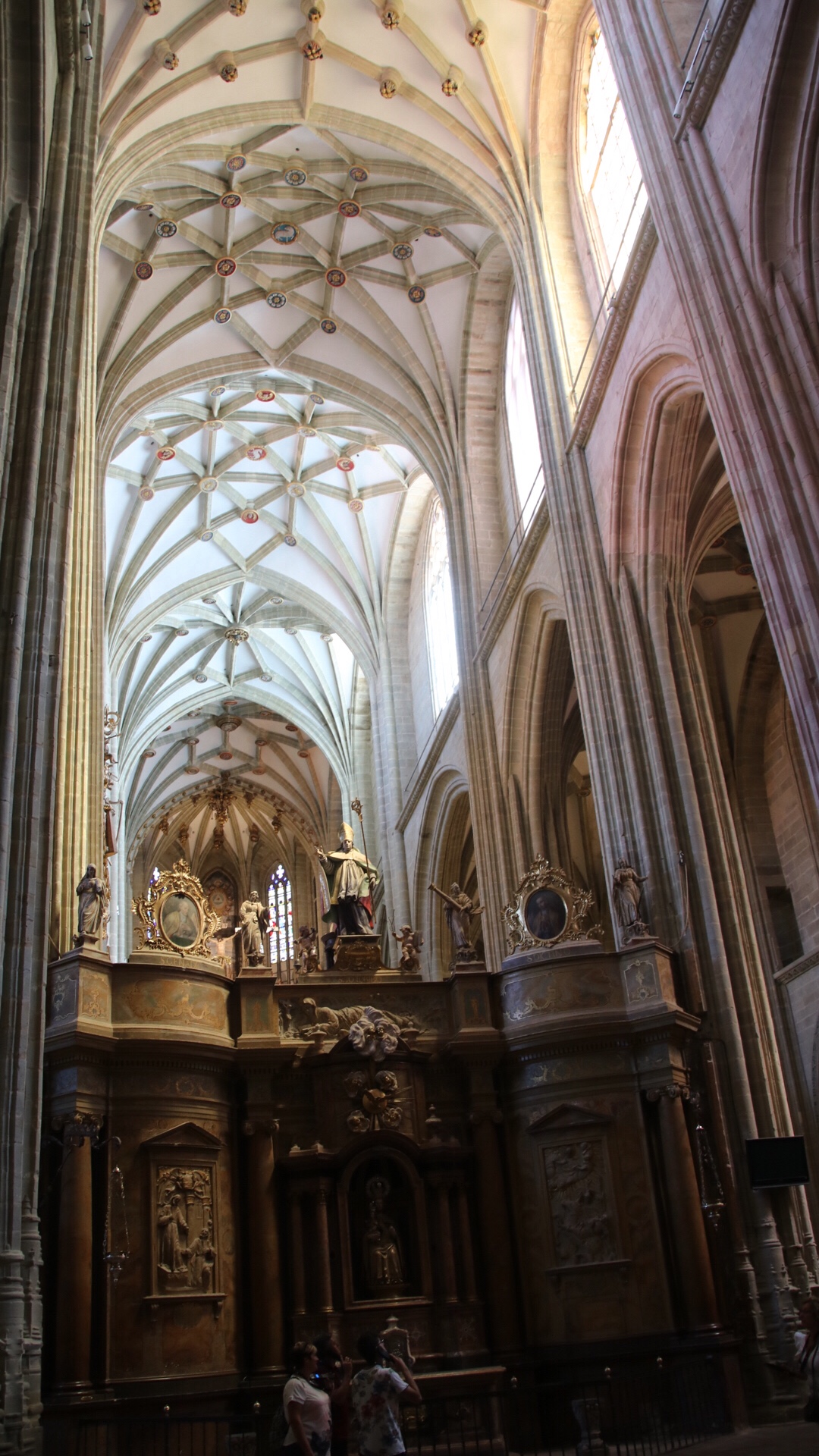
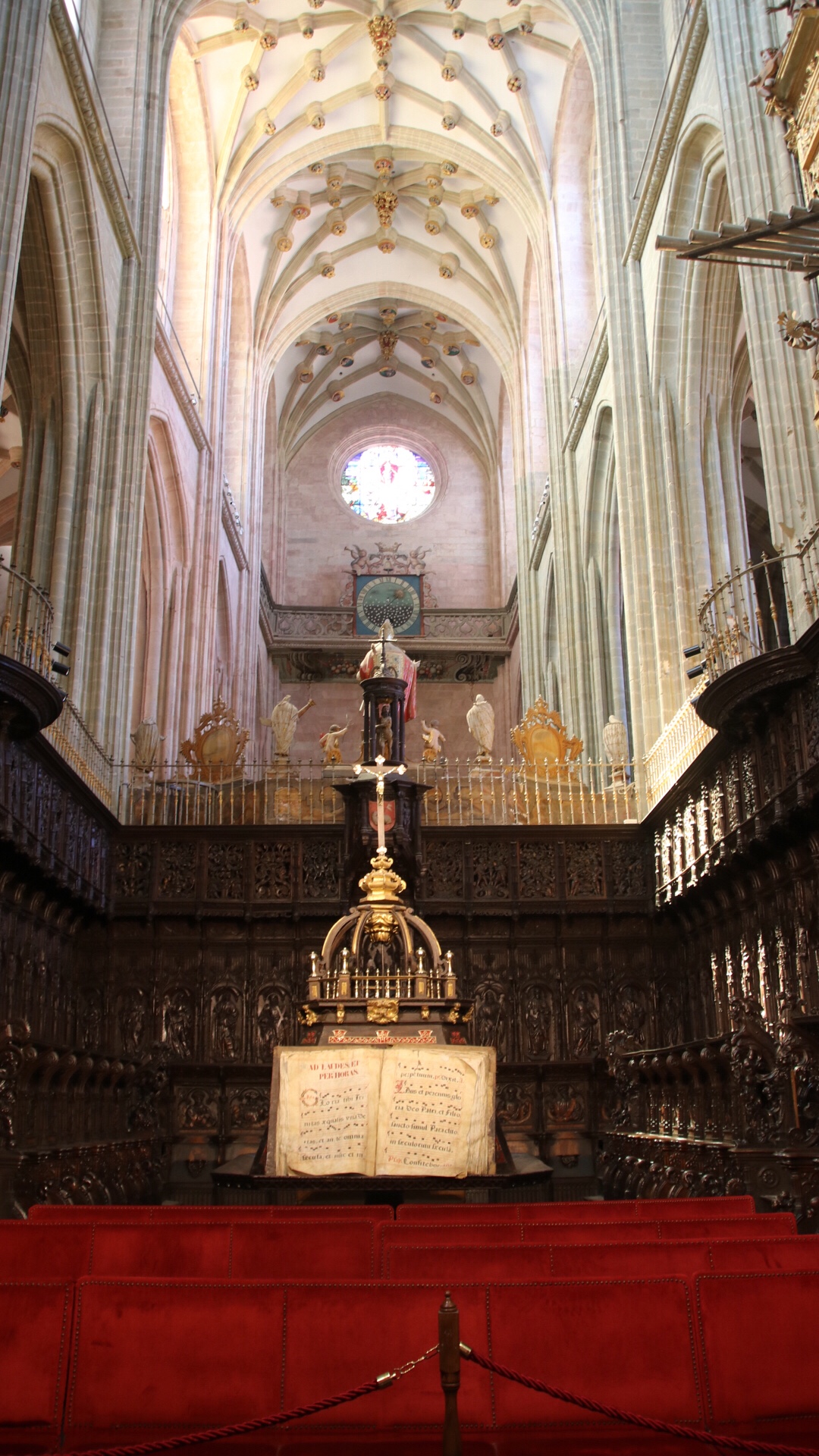
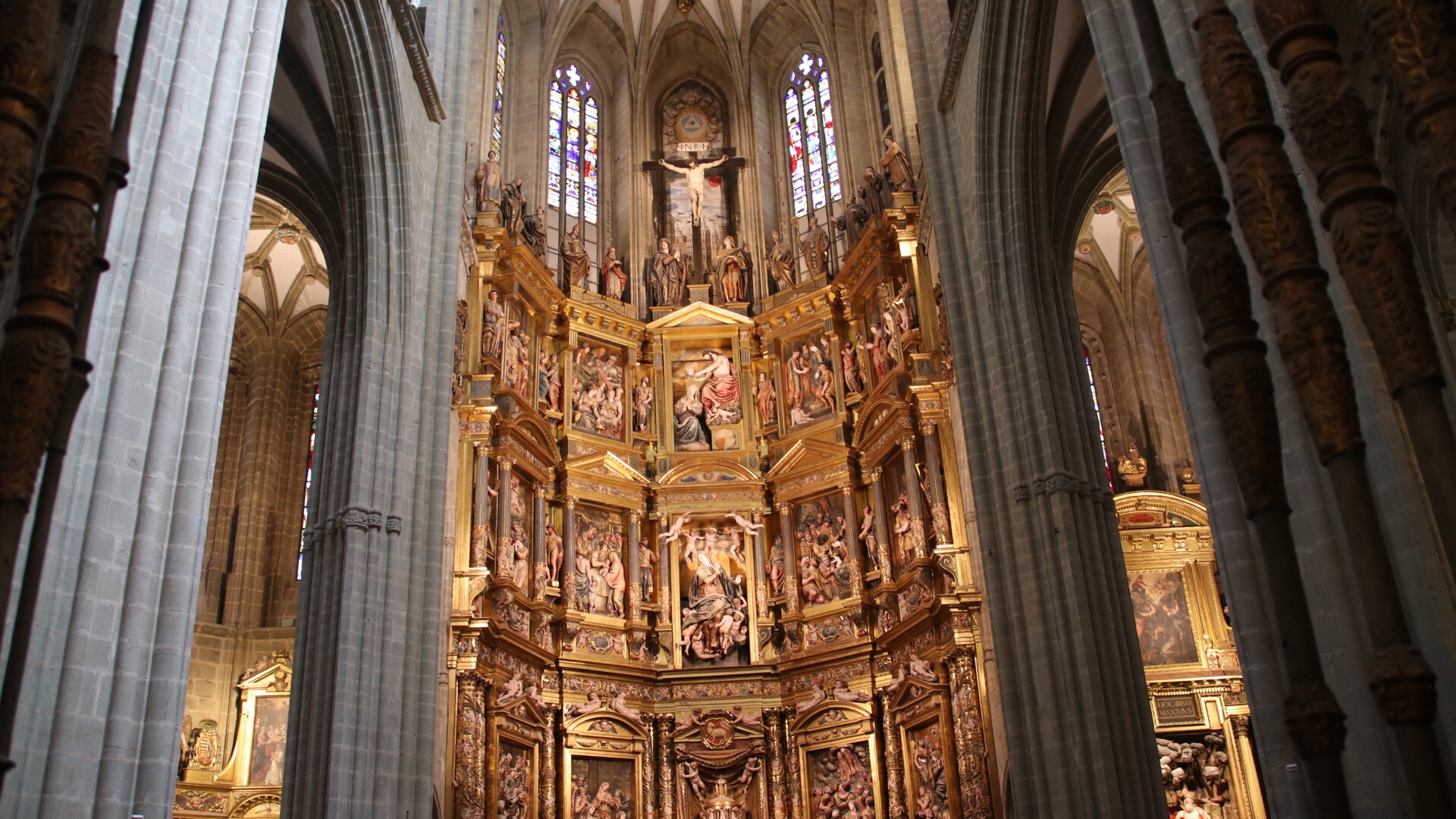
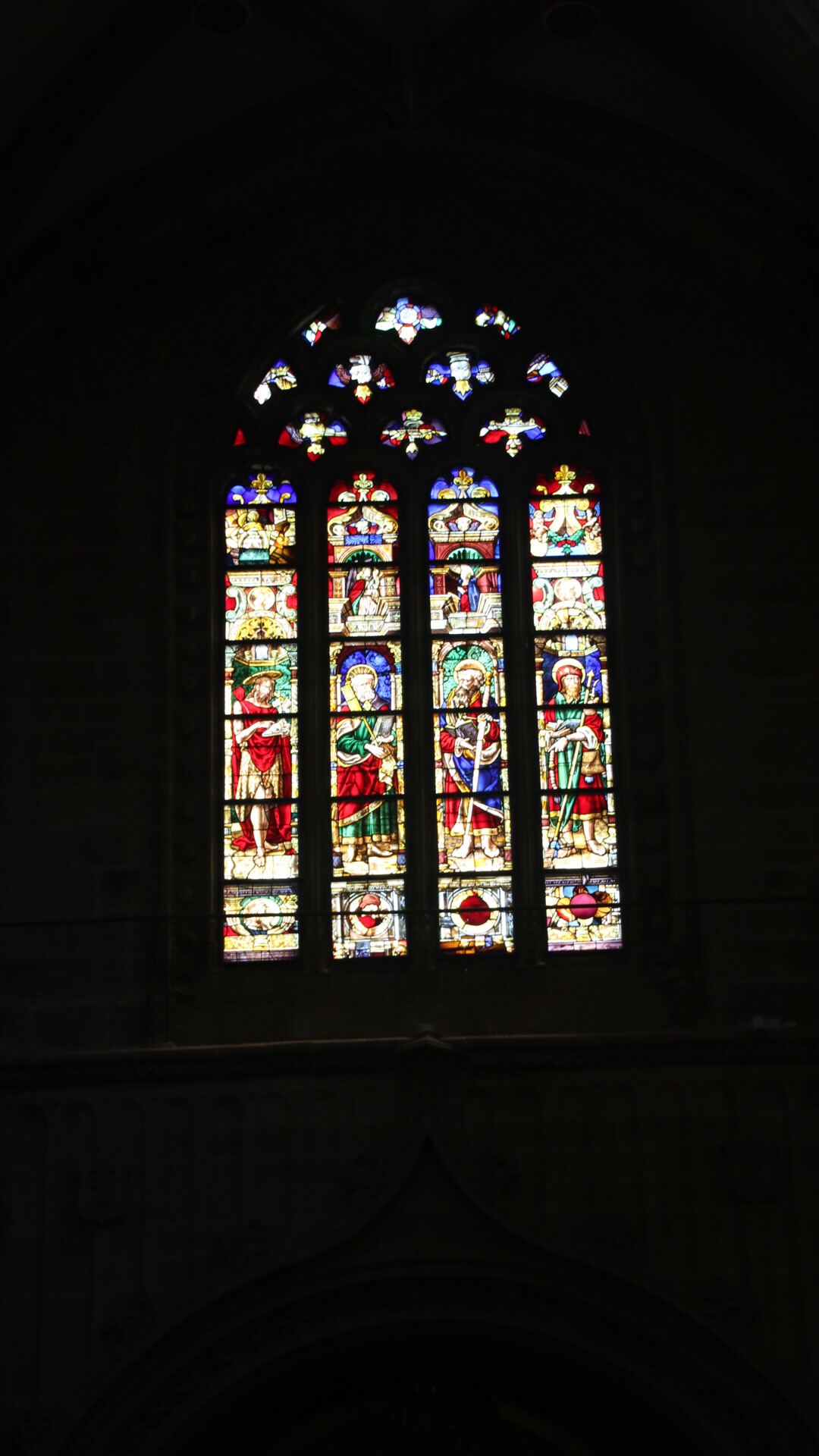
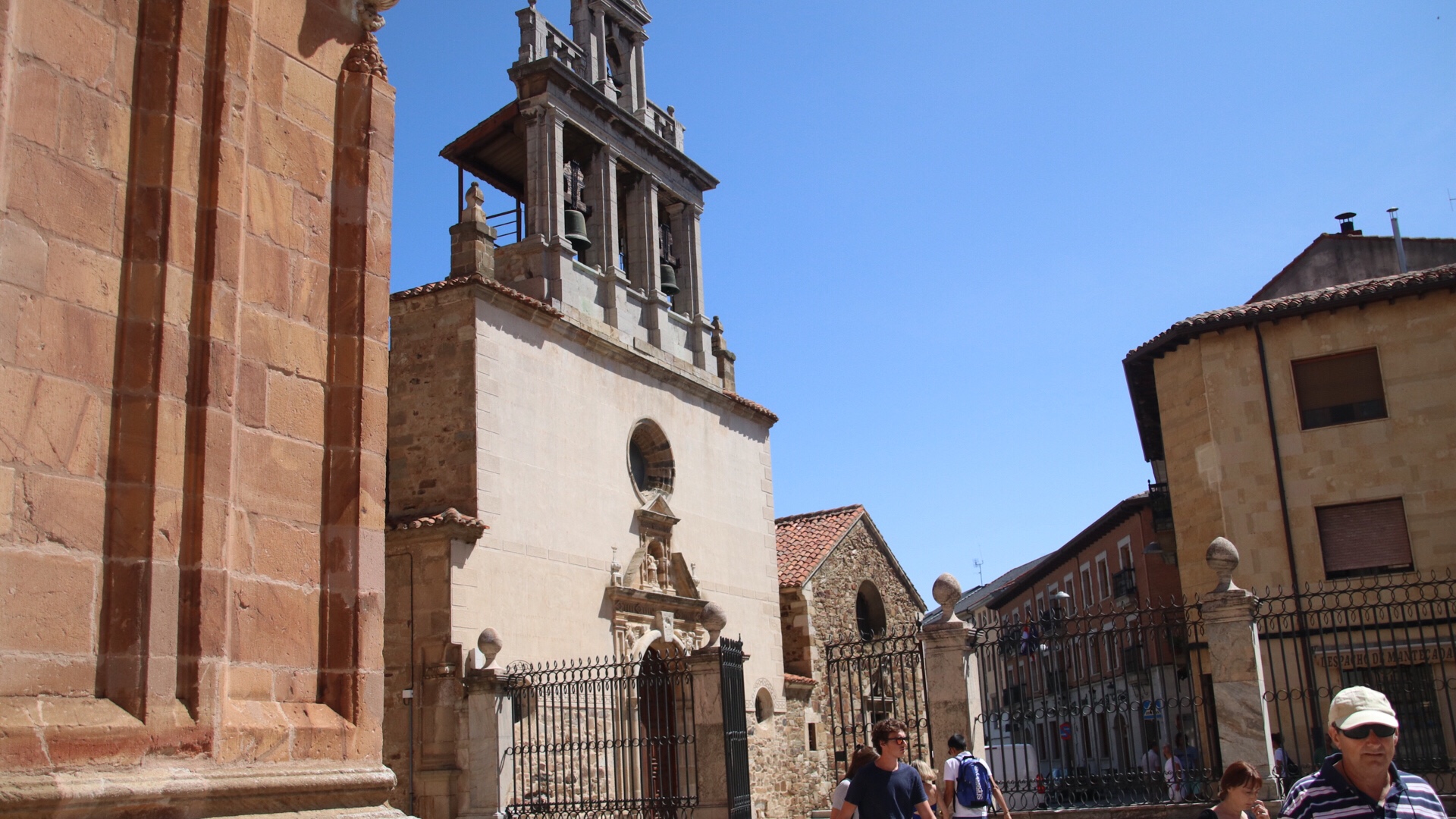
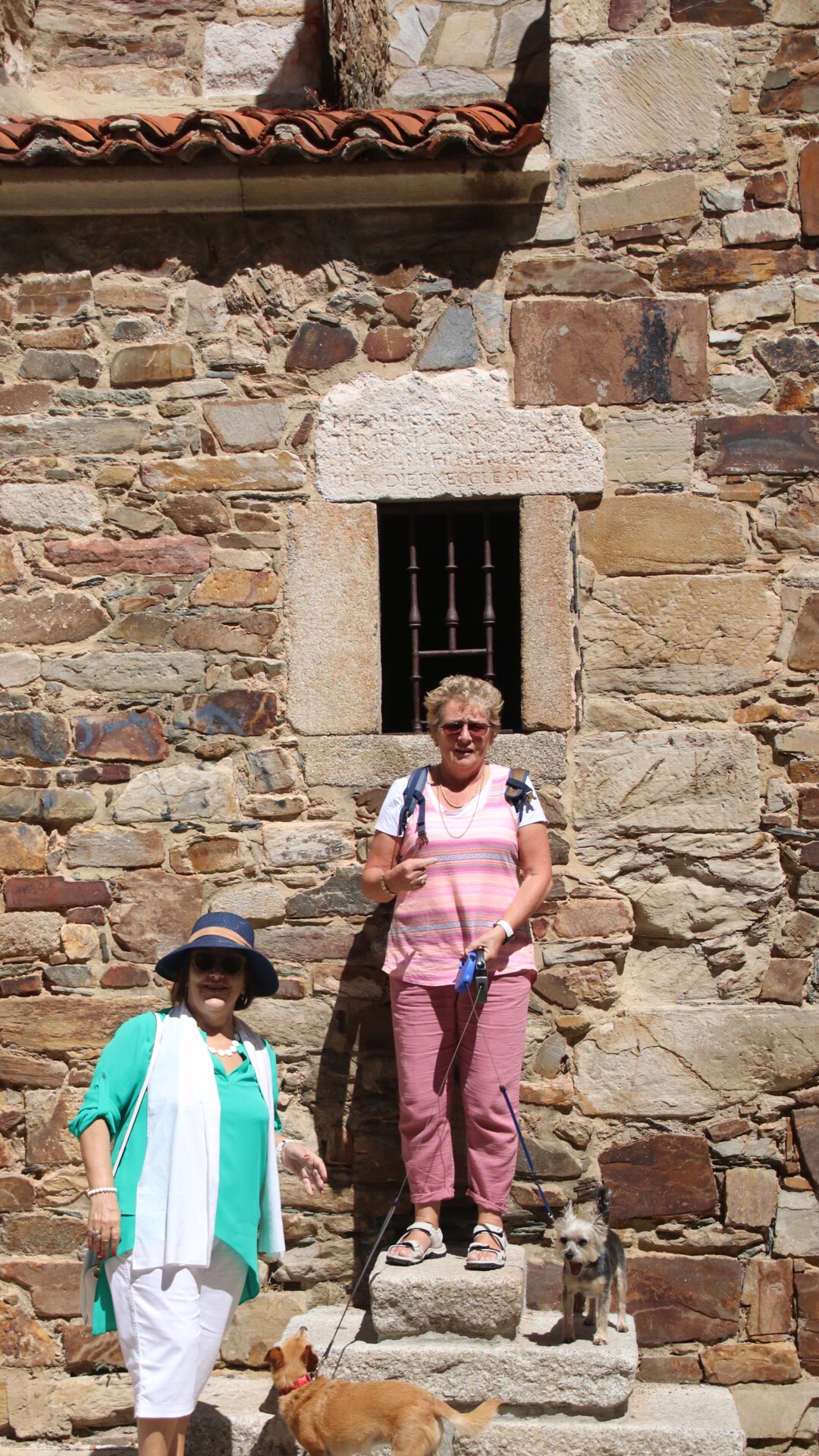
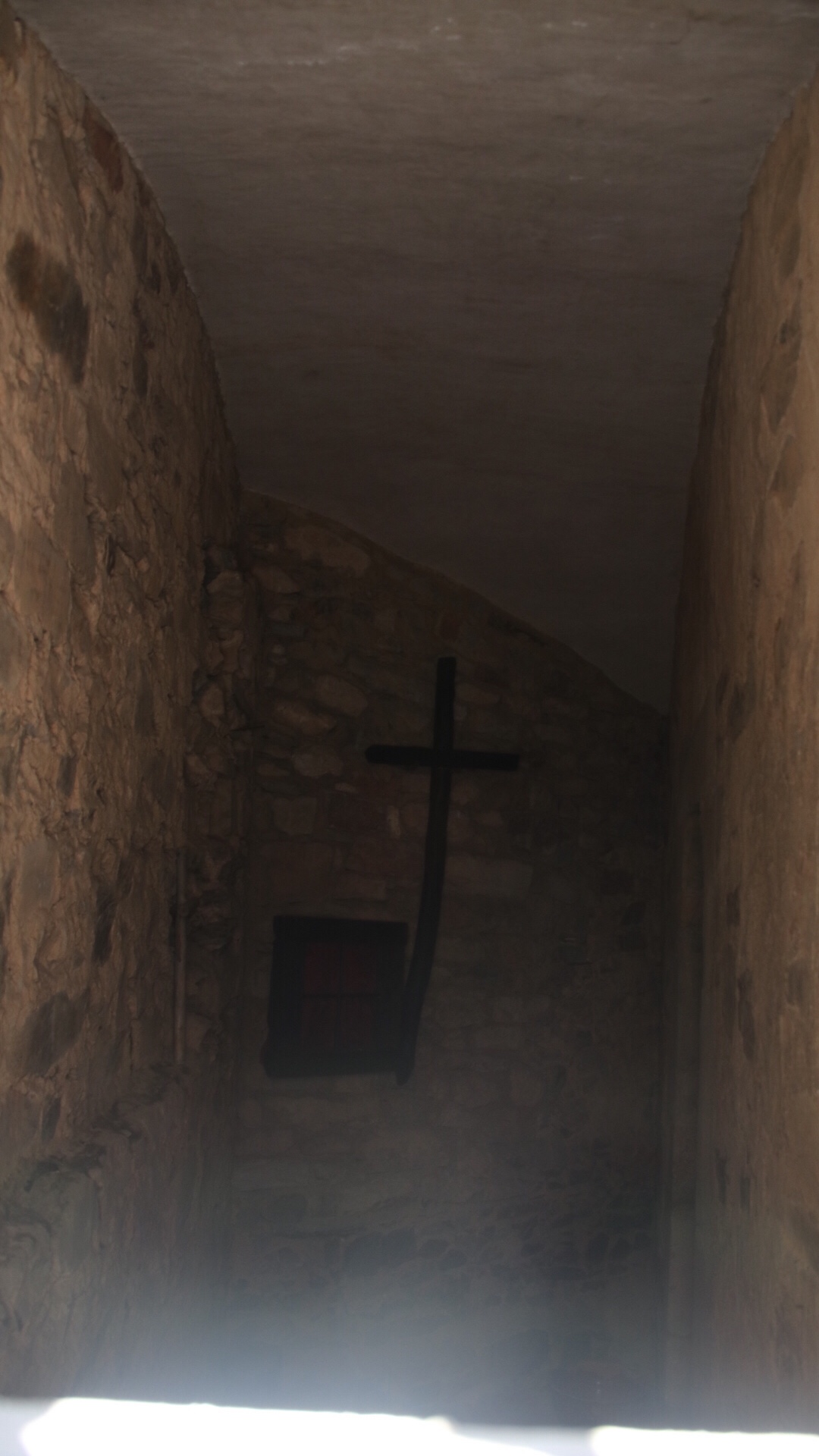
Beside the cathedral is a small church and priest’s house and in between is a small chamber where adulteresses we’re thrown if there were caught and the people of the town would pelt them with rotten food. There were left in this chamber until they died 😳
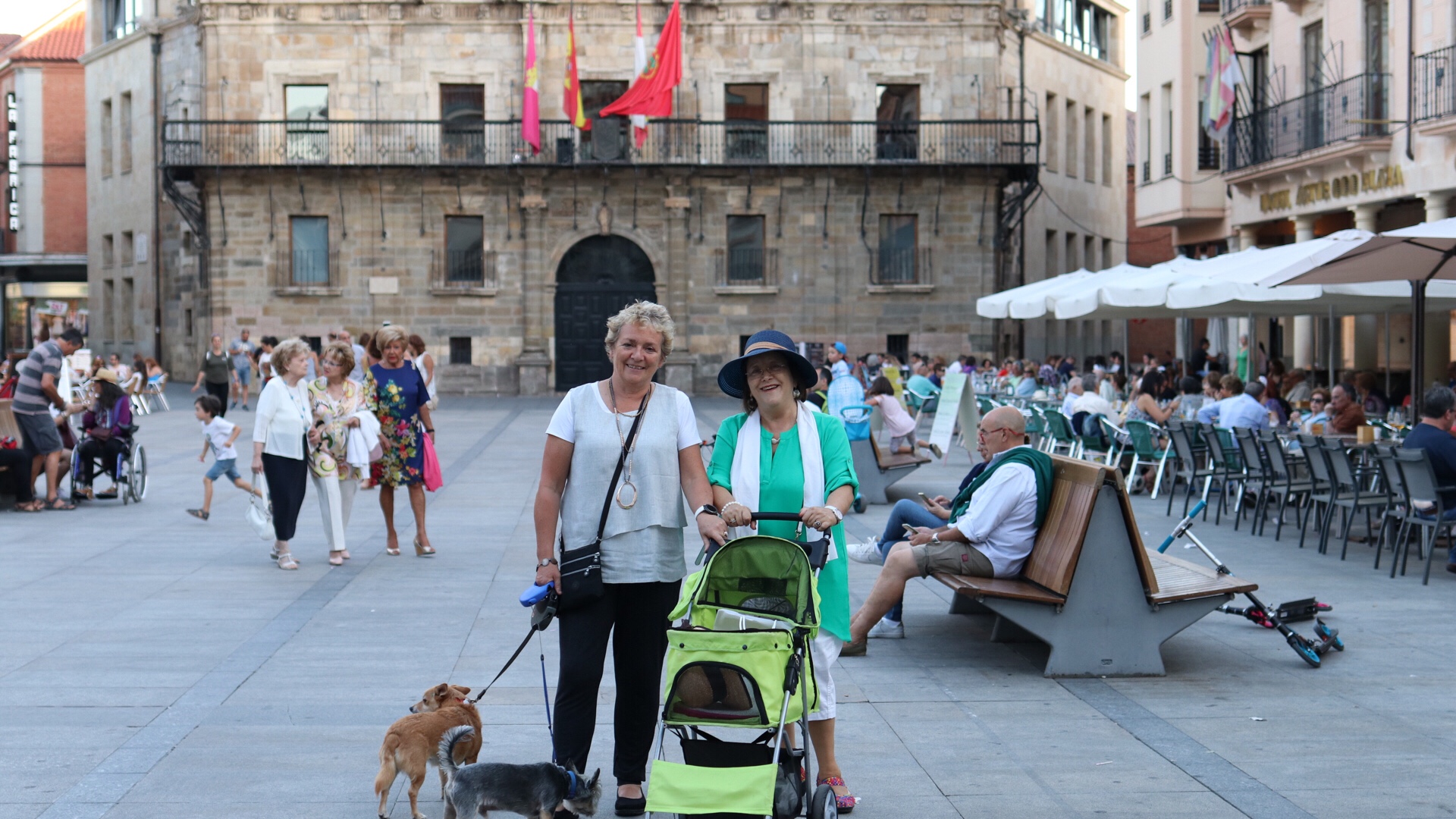
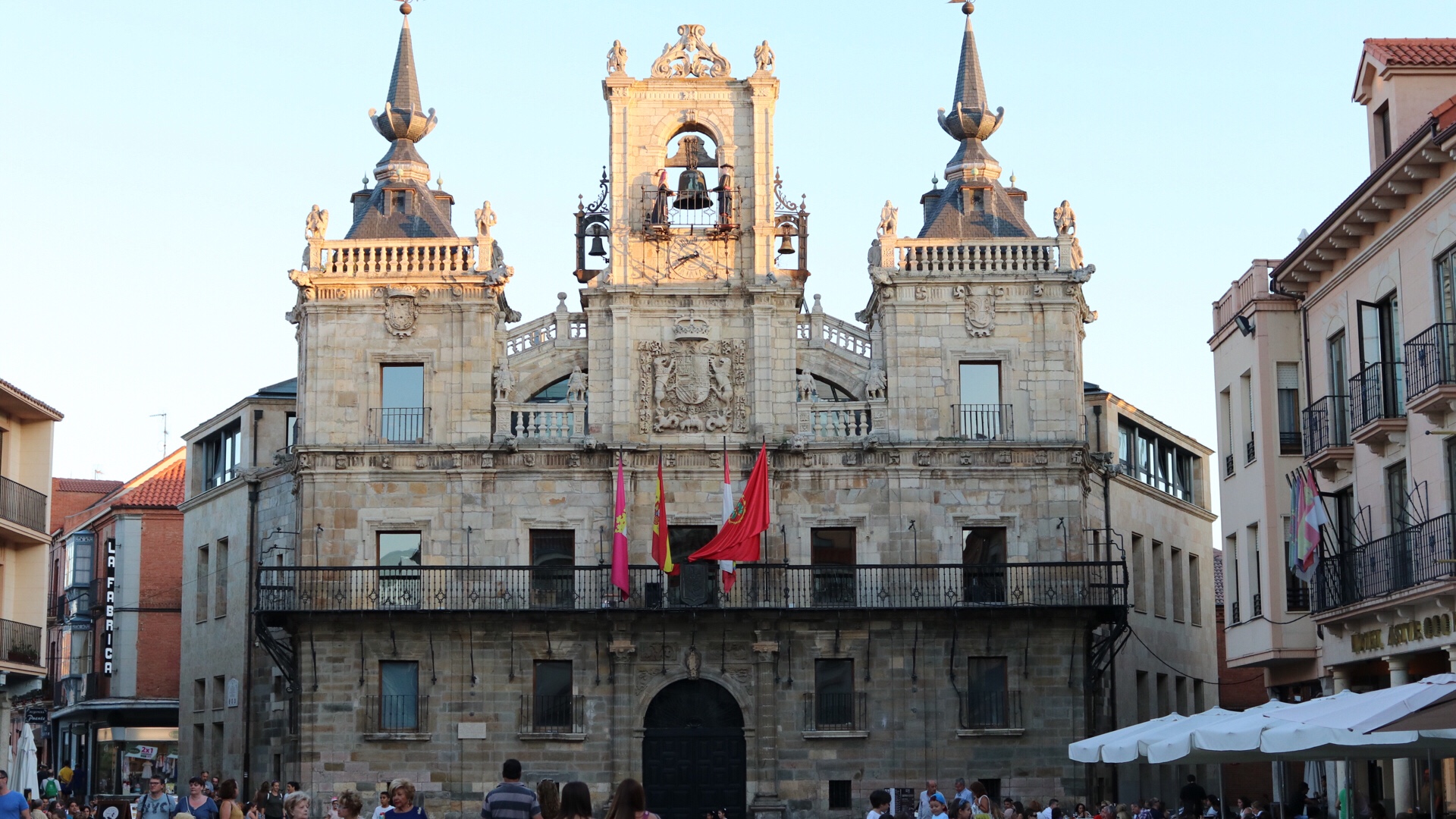
Another notable monument is the city’s 17th-century Baroque Town Hall with its majestic facade the work of Manuel de la Lastra, and which can be seen in the Plaza Mayor square. Two towers flank an attractive continuous balcony with wrought ironwork and a steeple supported by flying buttresses. Colasa and Perico –the most popular ‘maragatos’ (the name for the local inhabitants) in Astorga– strike the hours on a large bronze bell.
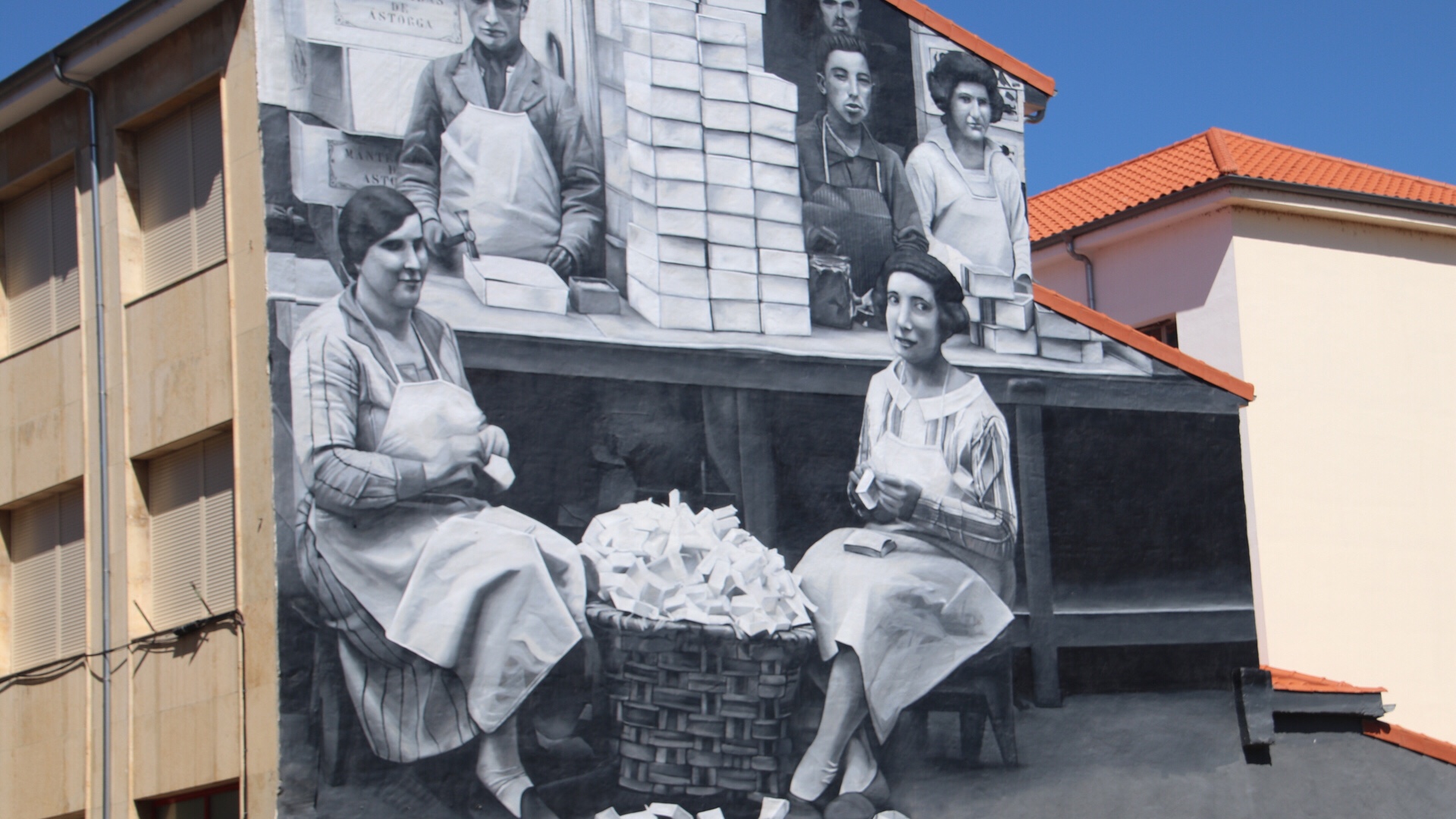
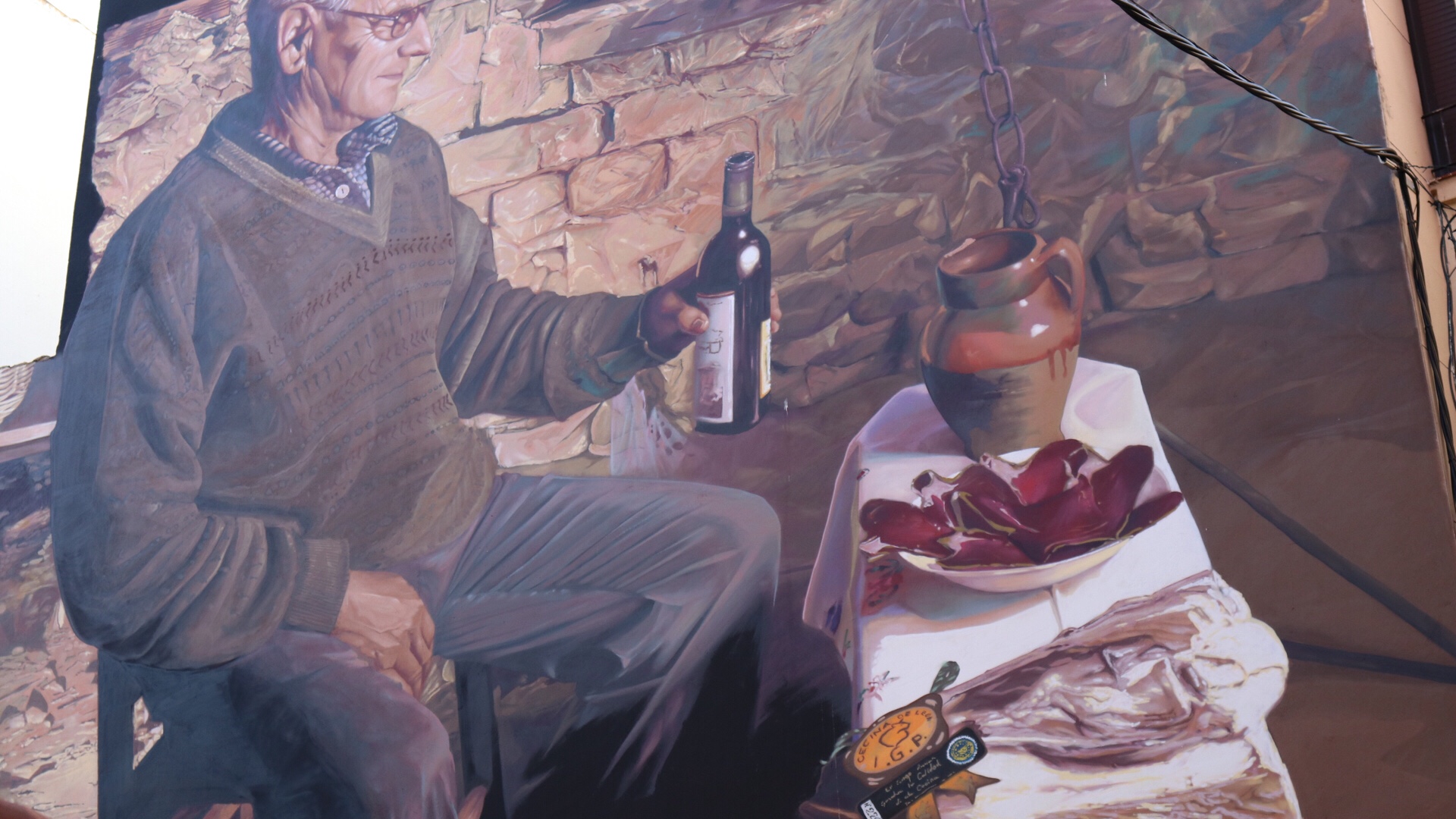
The exceptional quality of the pulses from León can be savoured in dishes like ‘cocido maragato’ (chickpea stew), which here is served in the reverse order from in other parts of Spain. Diners begin with the meat, chorizo and dumplings, and end with the chickpeas, cabbage and soup. ‘Cecina’ (cured dried smoked beef), ‘botillo’ (cooked smoked pork sausage meat), ’empanada’ (savoury filled pastry) from El Bierzo, cod and trout are some of the other delicious options. Pippin apples, cherries, pears, peppers and chestnuts are also found as ingredients in the local recipes. A favourite desert is the typical sweet pastries known as ‘mantecadas’ from Astorga. The recommended wines are from the El Bierzo Designation of Origin. And we have been lucky to have tasted cecina and botillo and before we leave the town I’ll have to sneak some mantecadas into the car 👀. Funnily enough we seem to have avoided the chocolate factory and all the shops!! Not sure how that happened 🤔
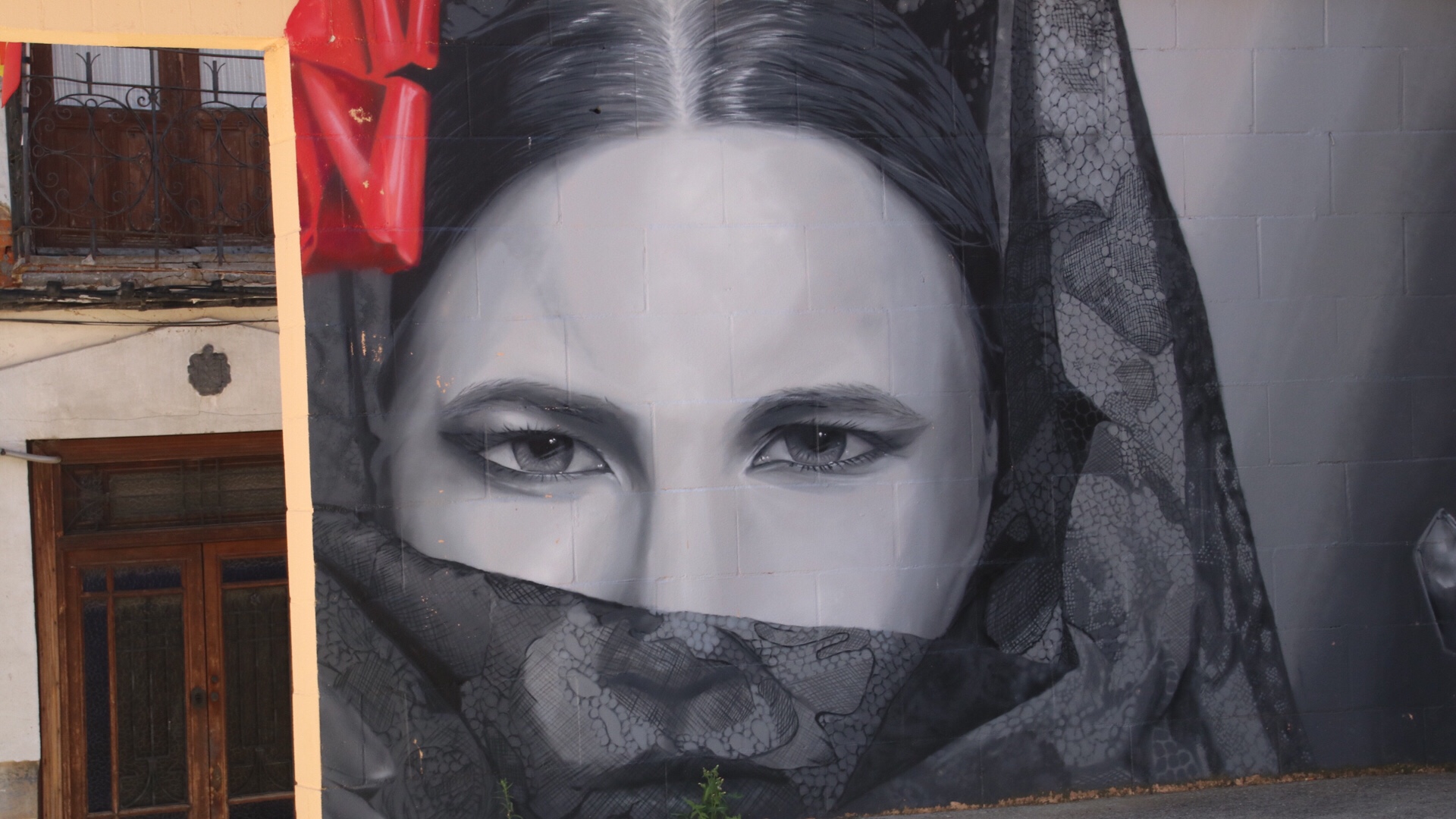
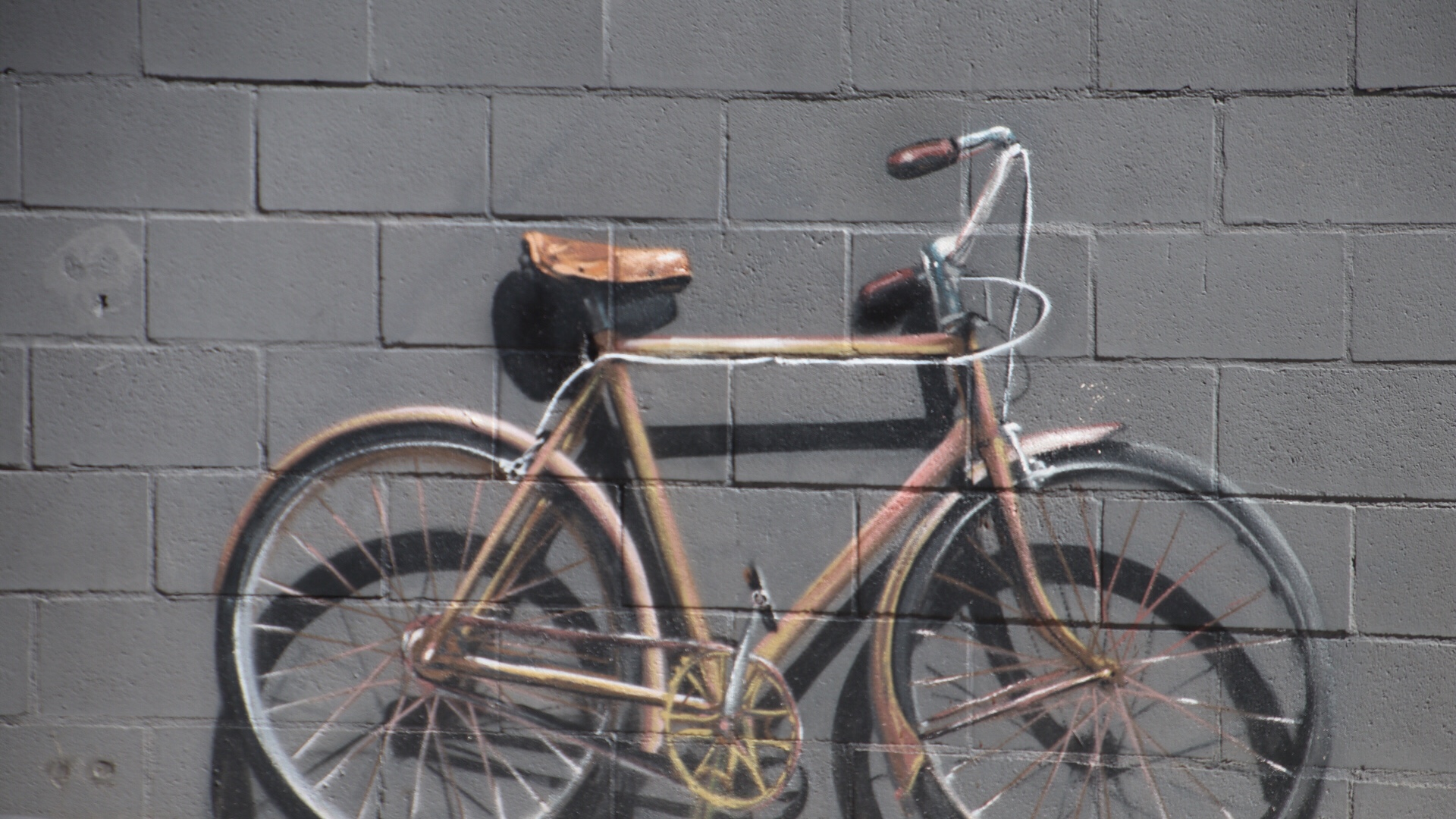
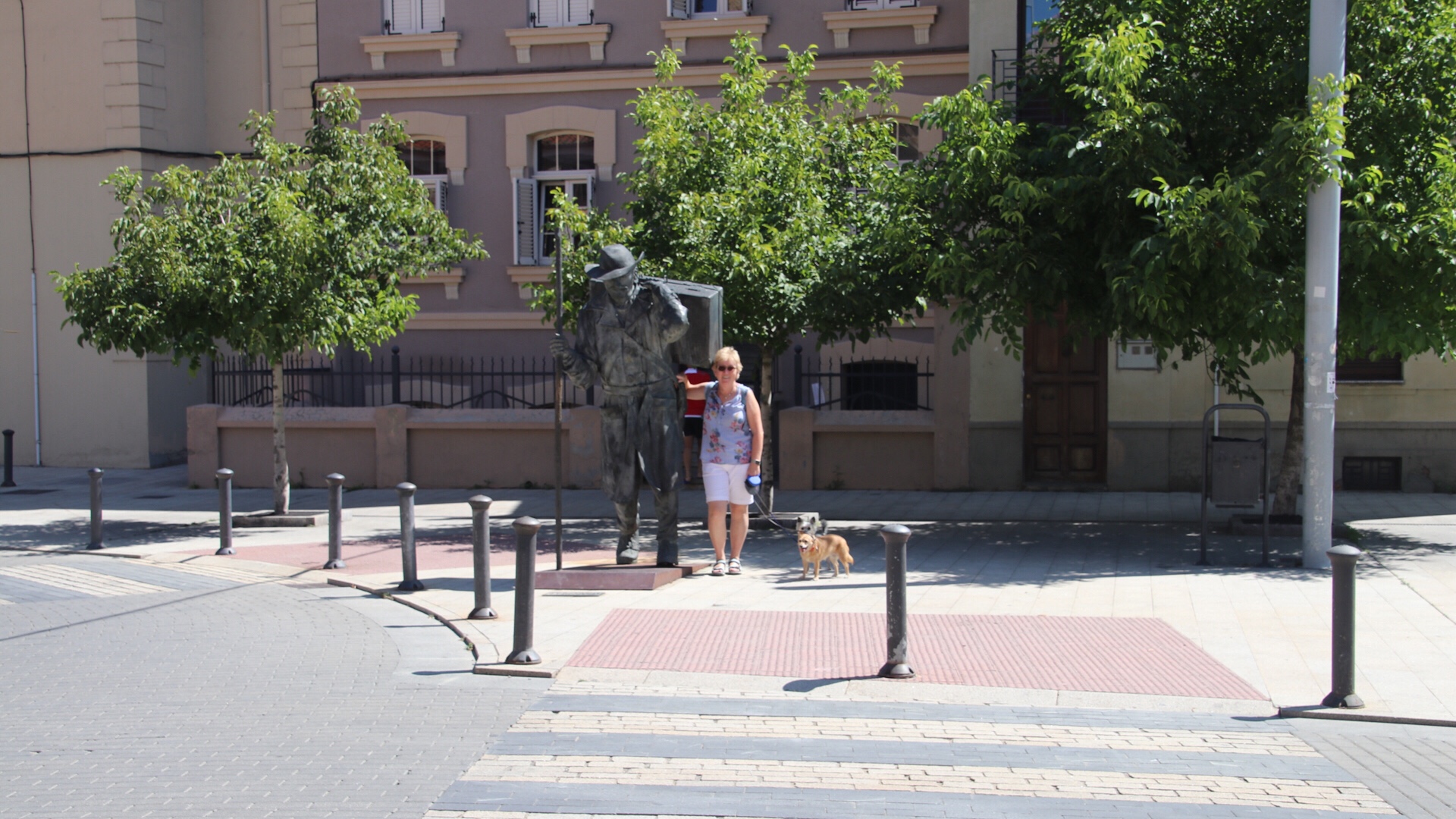
We also came across an amazing amount of street art which were incredible life like.
This little church of St Bartholomew is Curi’s favourite as the design is so asymmetrical – the door and the rose window are not in the centre and the two side of the roof are different sizes 🤓
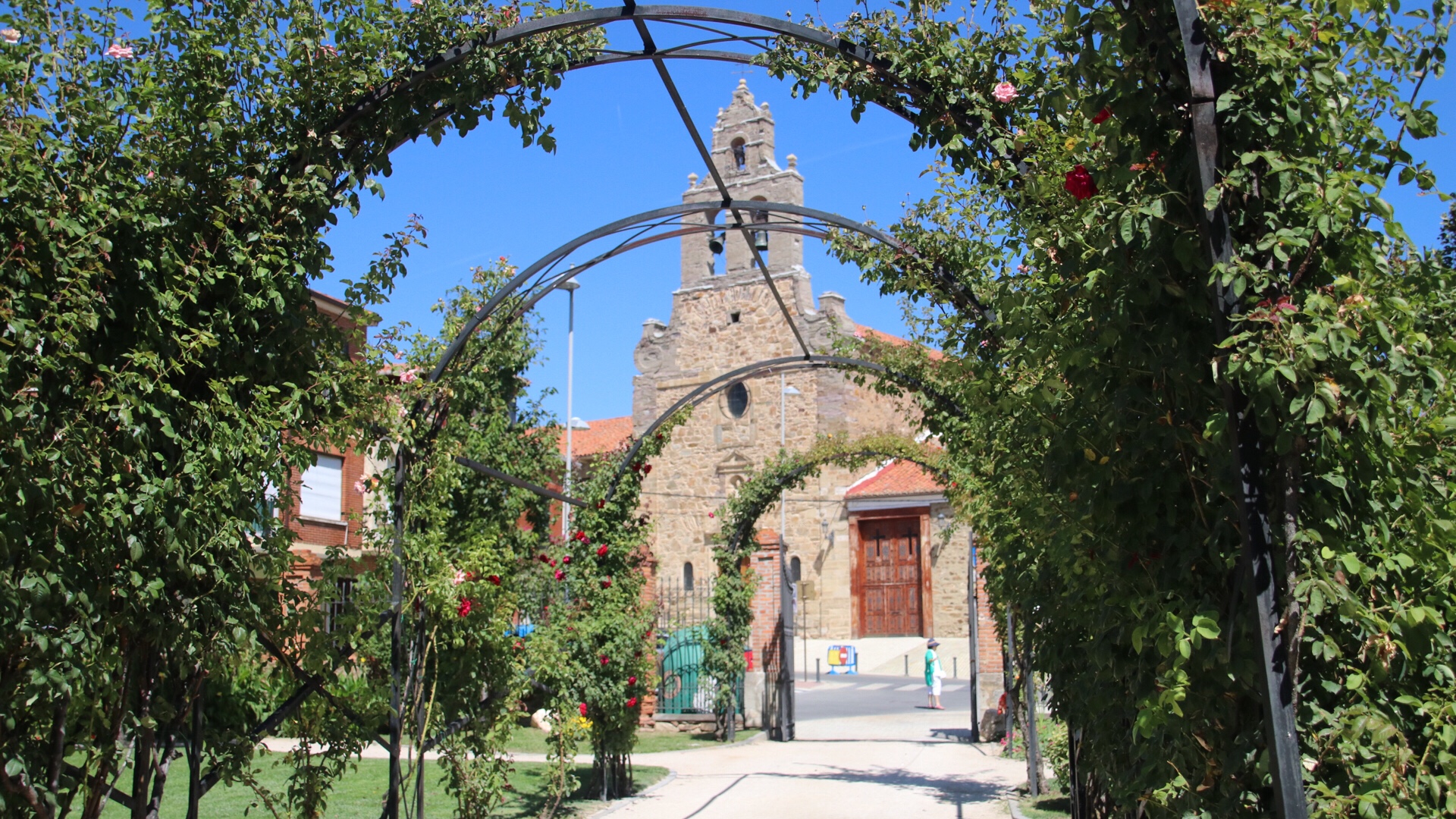
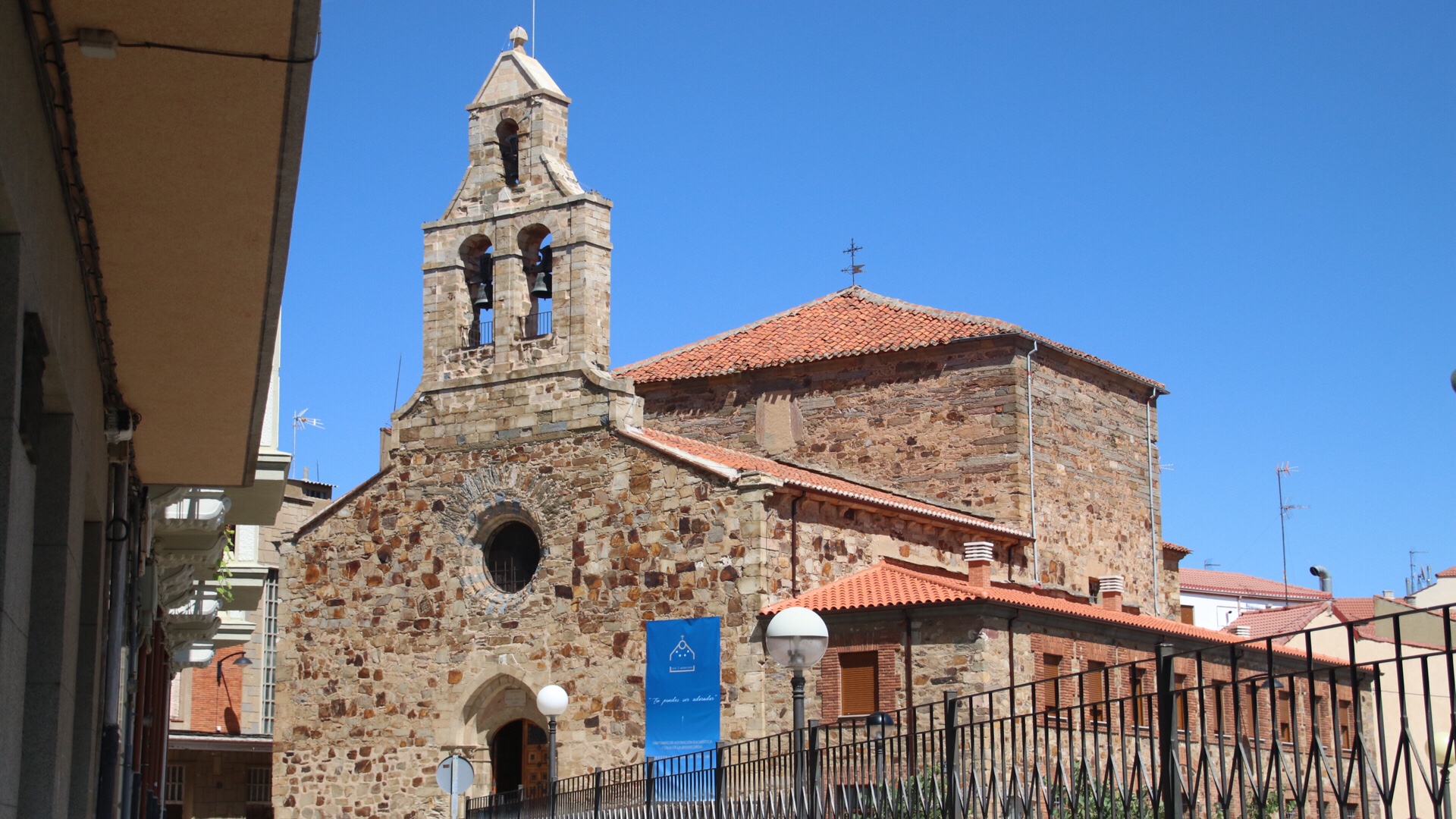
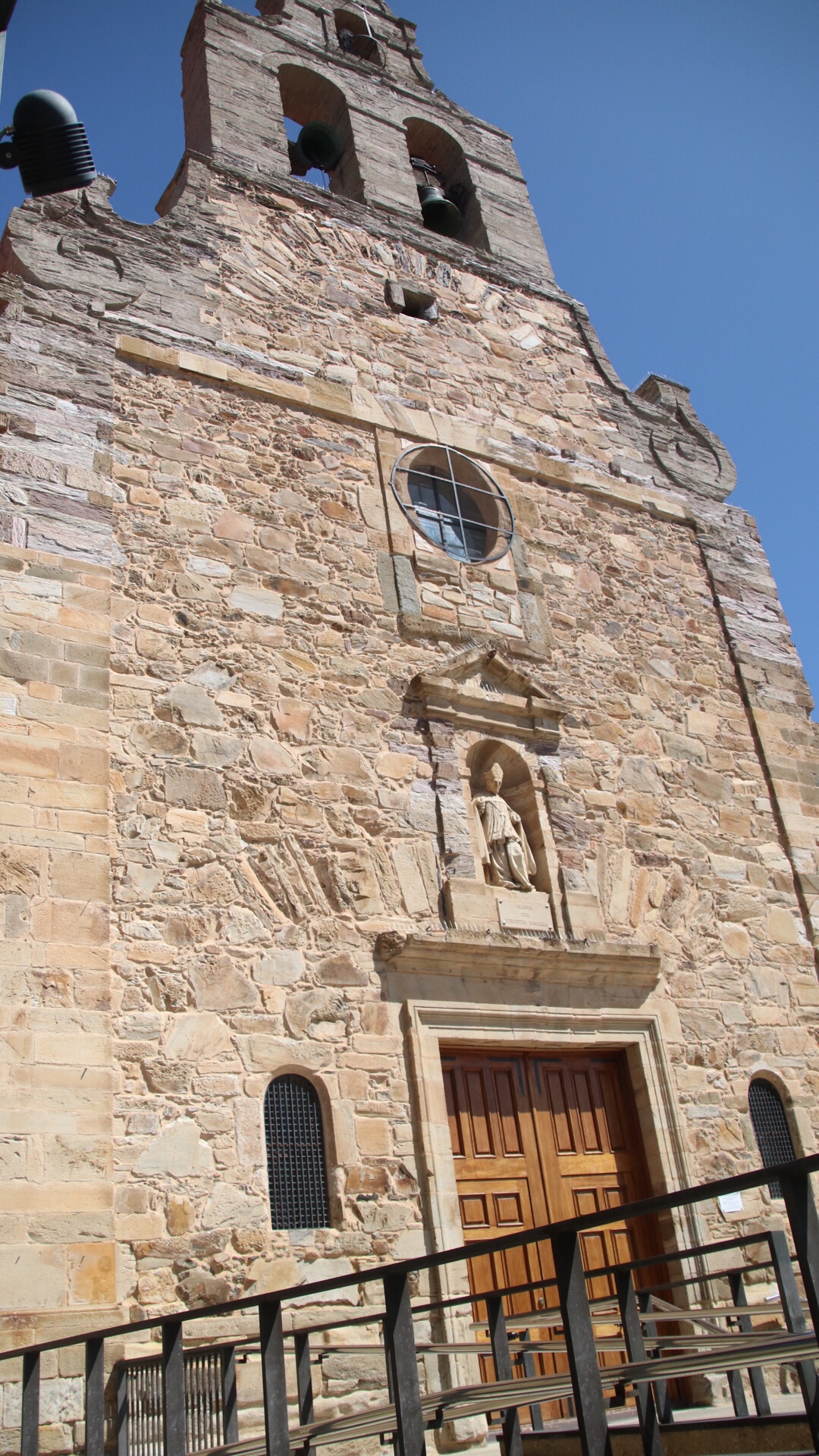
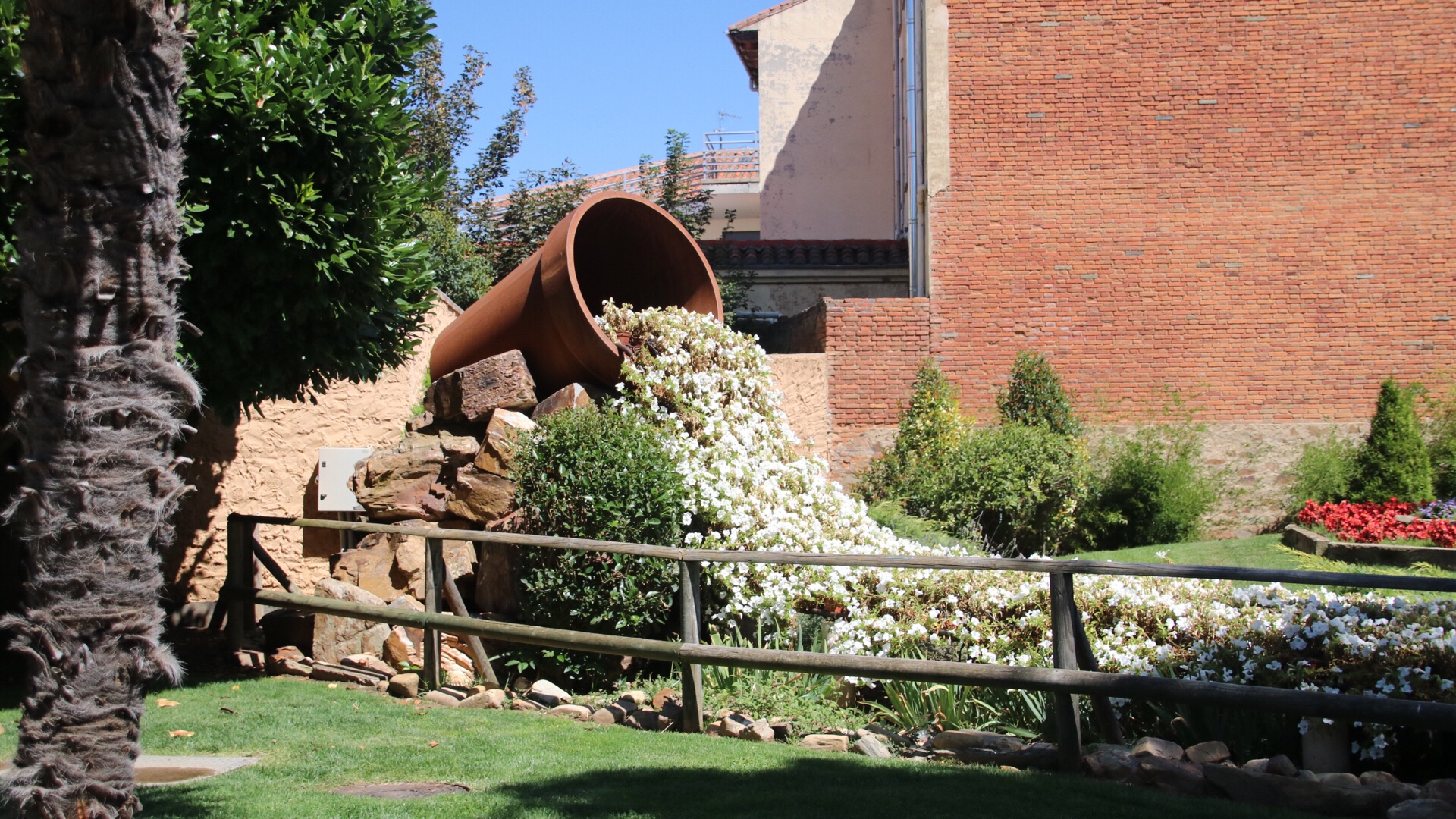
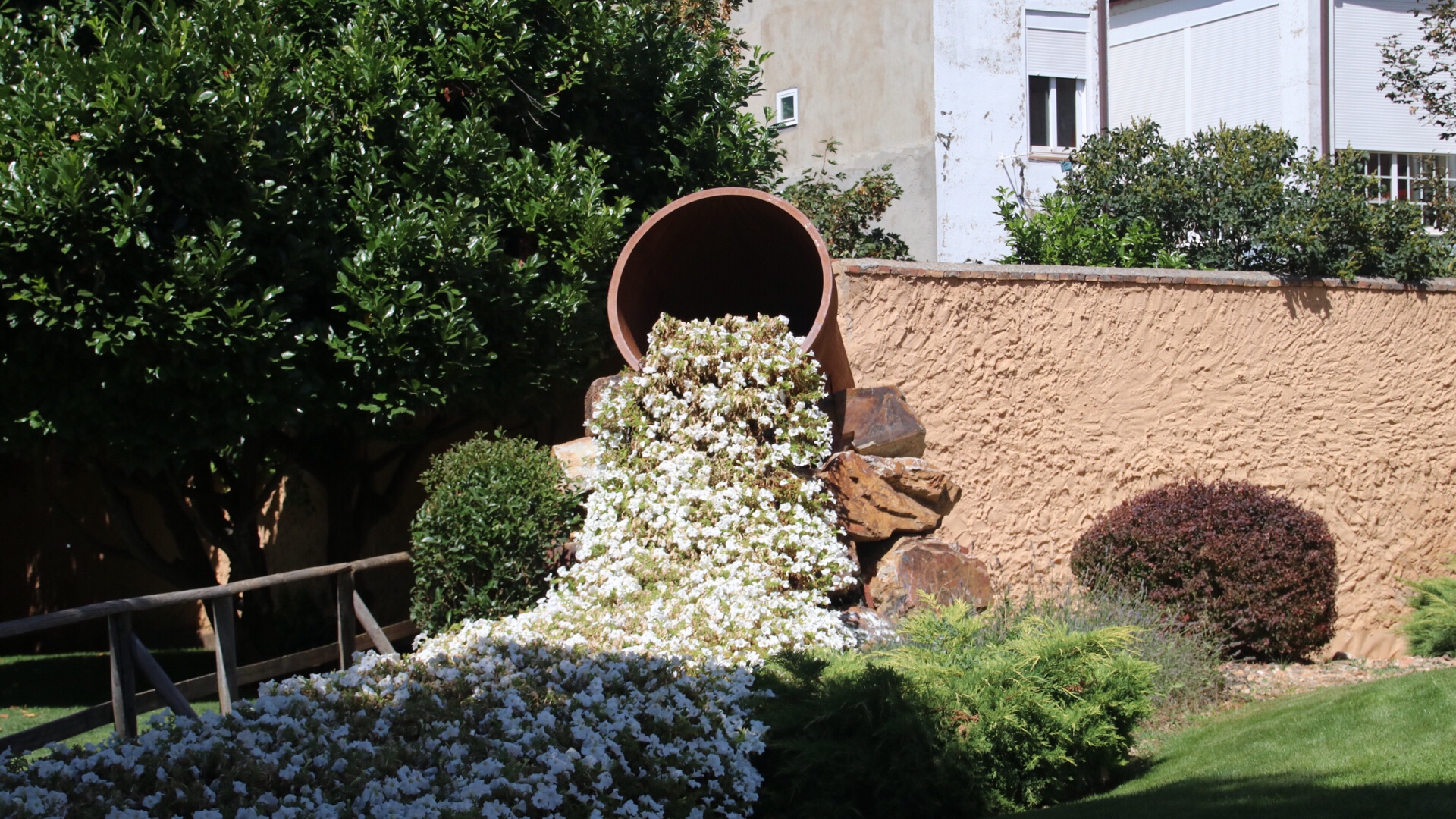
Here some sone other photos from around the wonderful town.


 Mutts on Tour