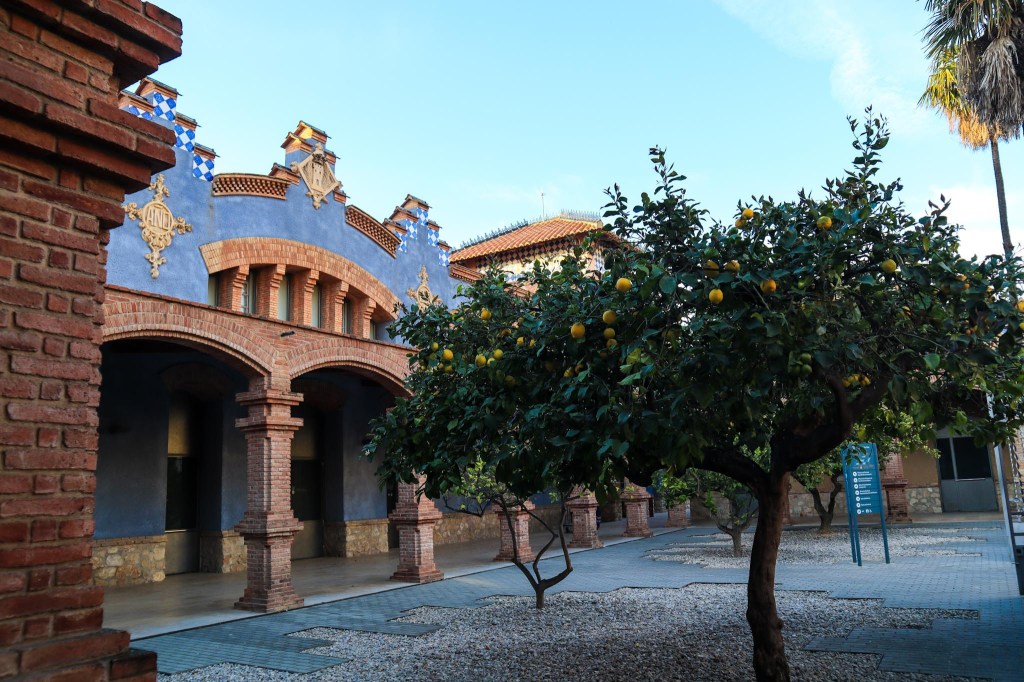
Tortosa is in Catalonia about 90km south of Tarragona. The city preserves significant examples of medieval, renaissance, baroque and modernist architecture and has been declared to be Historic-Artistic Heritage and some of its buildings, such as the castle of La Suda, are National Monuments.
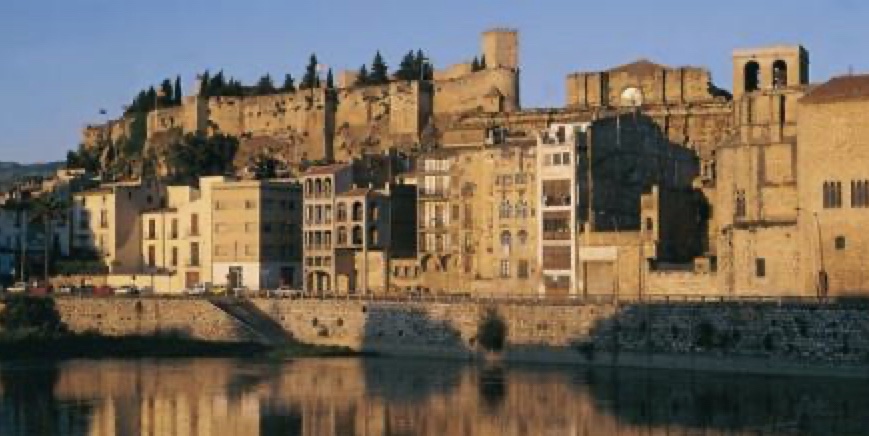
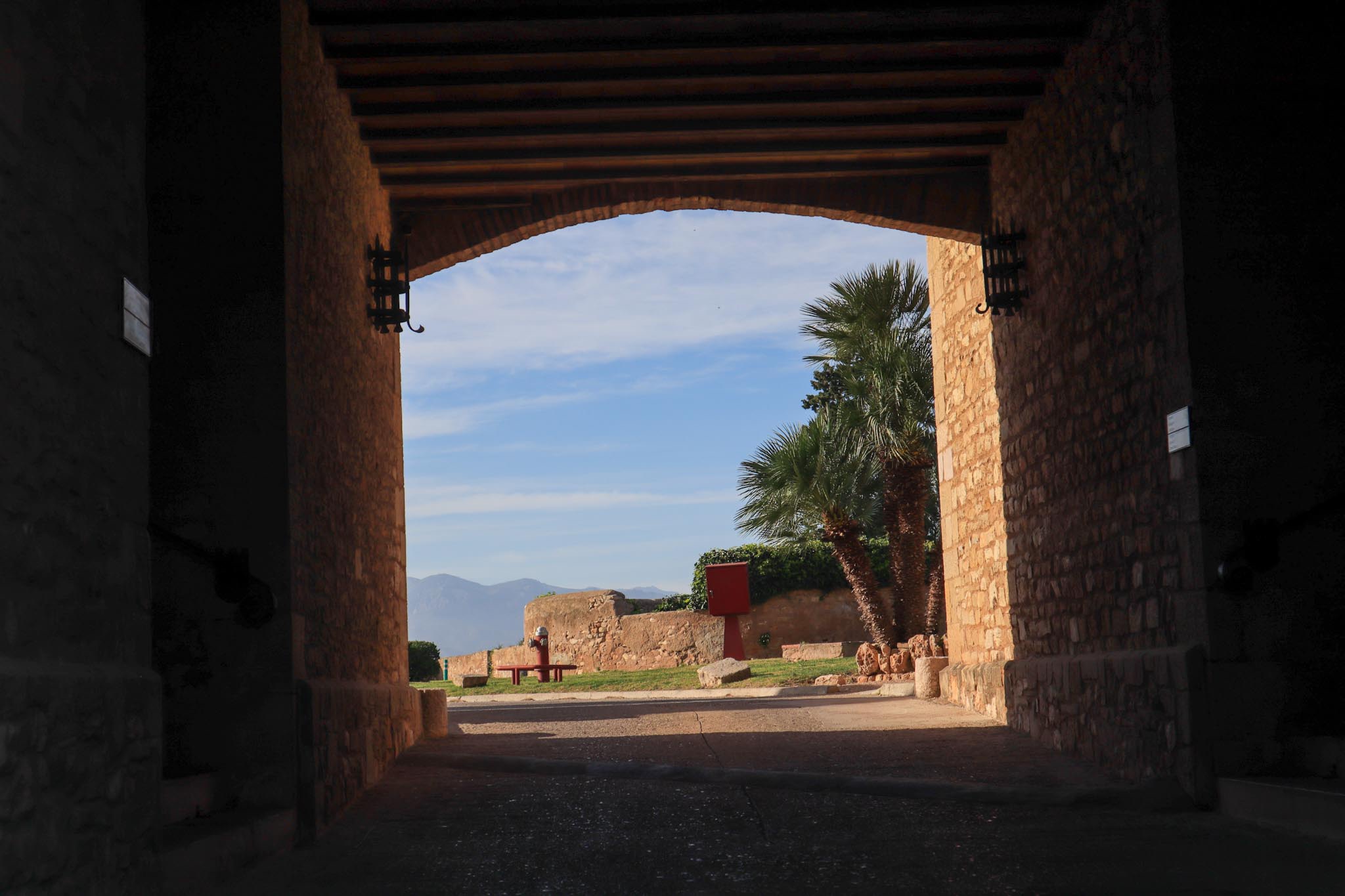
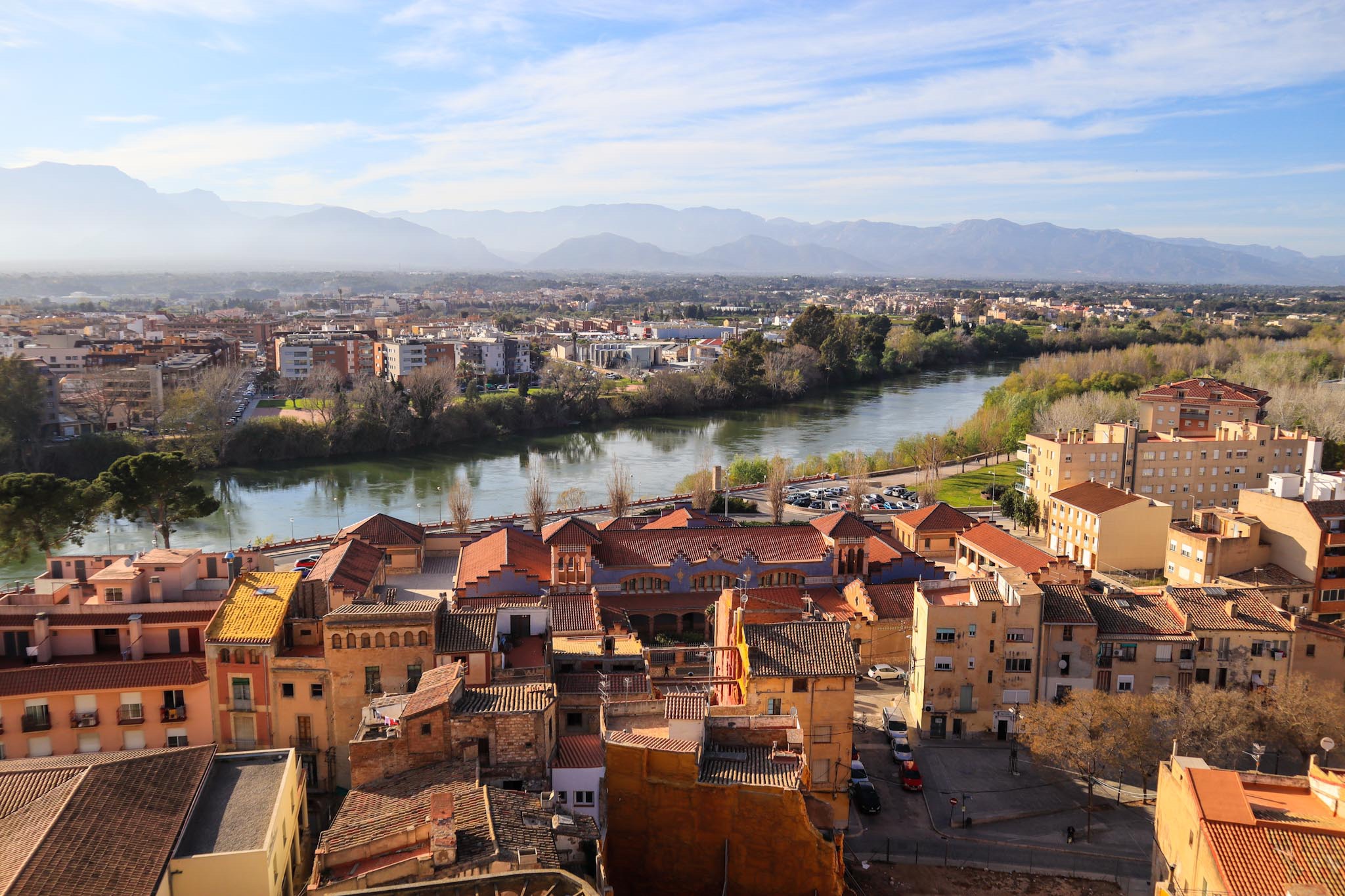
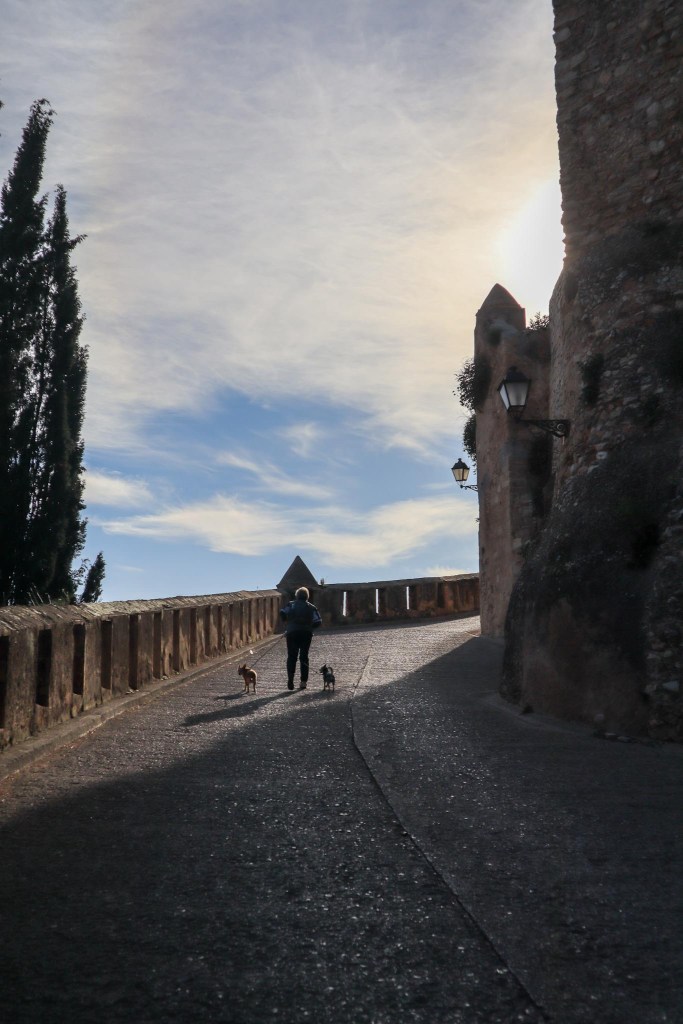
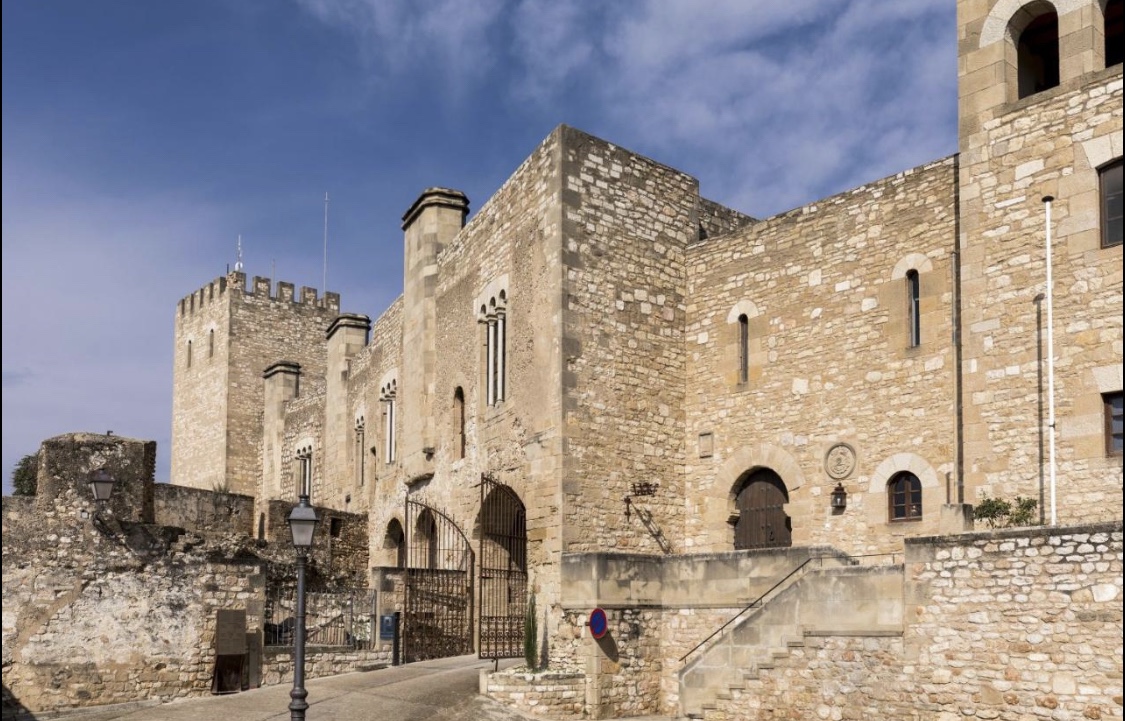
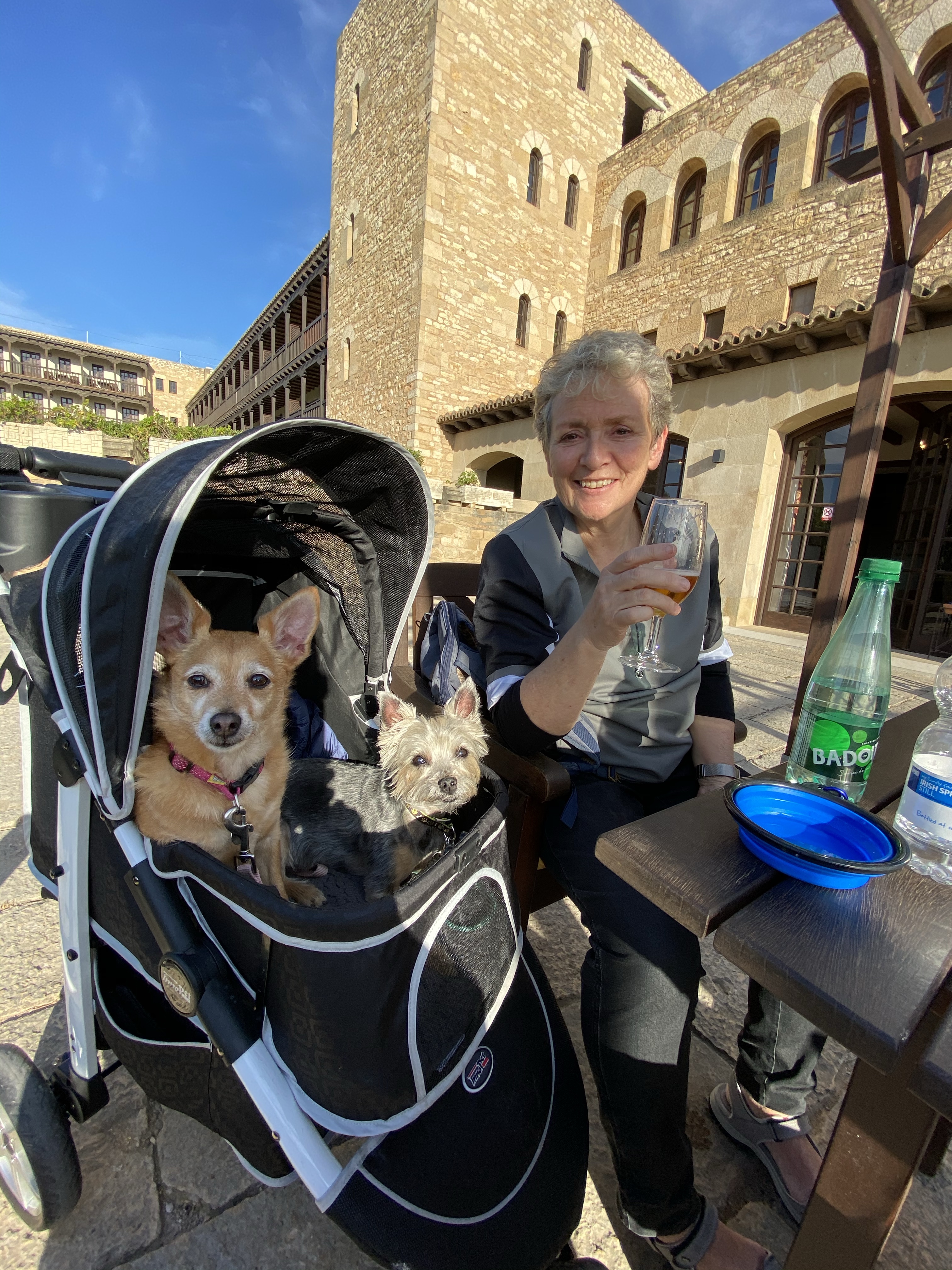
The city is located near the mouth of the river Ebro and as you look up your attention is drawn to the Arabic castle of La Suda, perched on a hill. Visitors can stay there if they wish as it has been converted into a Parador de Turismo hotel. Now we didn’t stay there but having climbed all the way up there we stopped for oxygen and some light refreshments.
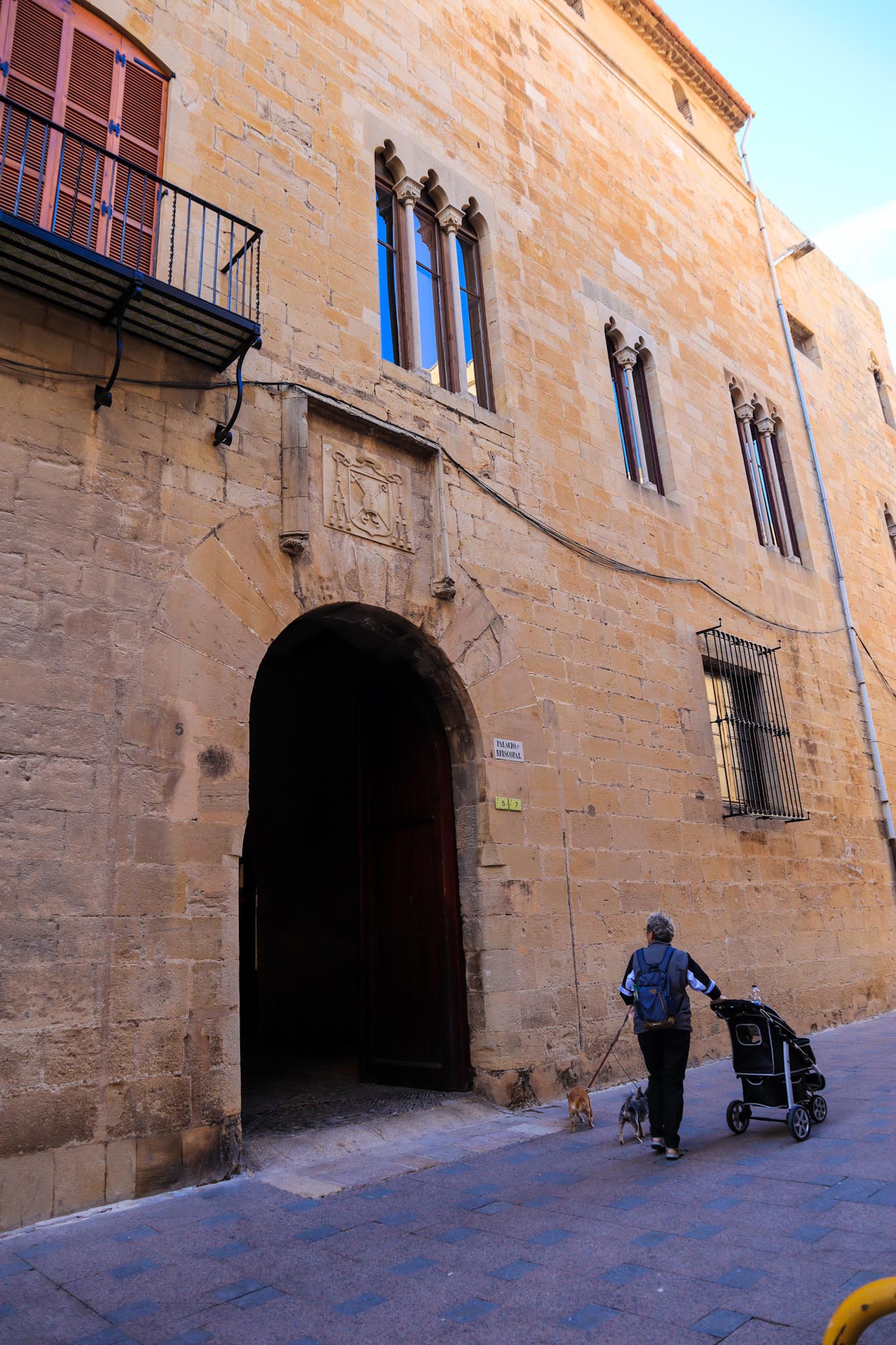
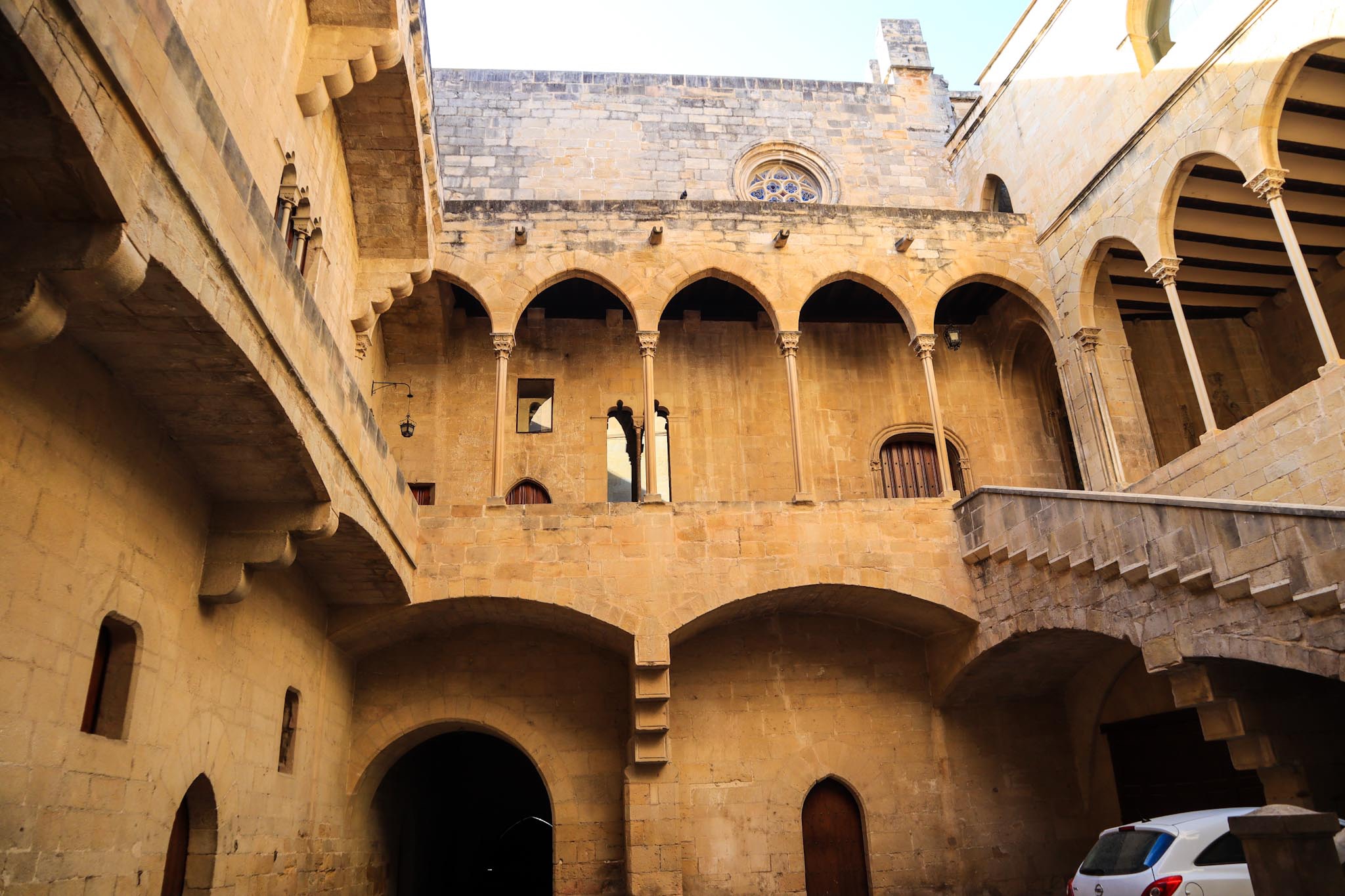
The Episcopal Palace was built in the 14th century, with a courtyard, gallery and an outstanding stairway. No luck getting in here either as it wasn’t open.
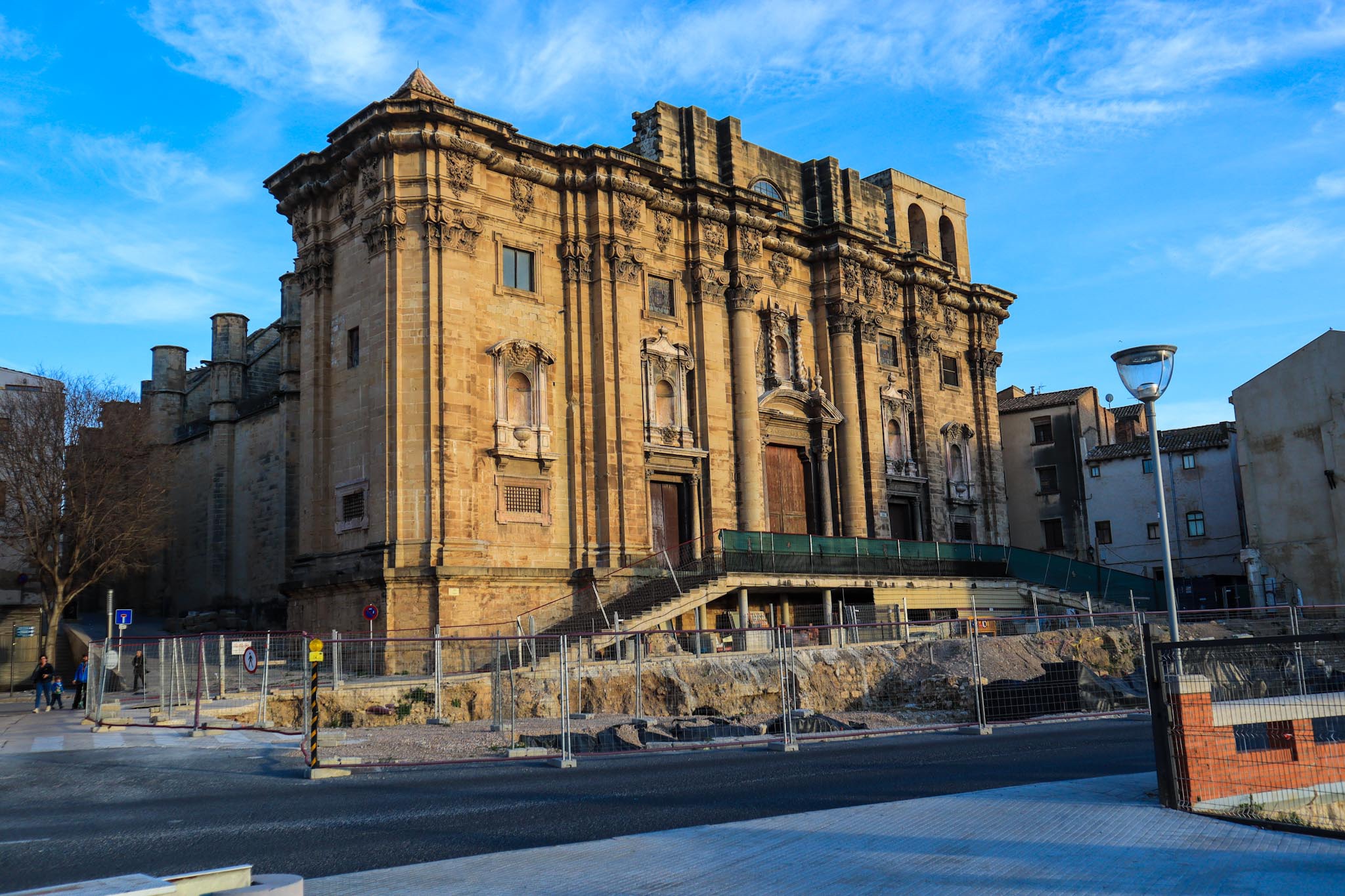
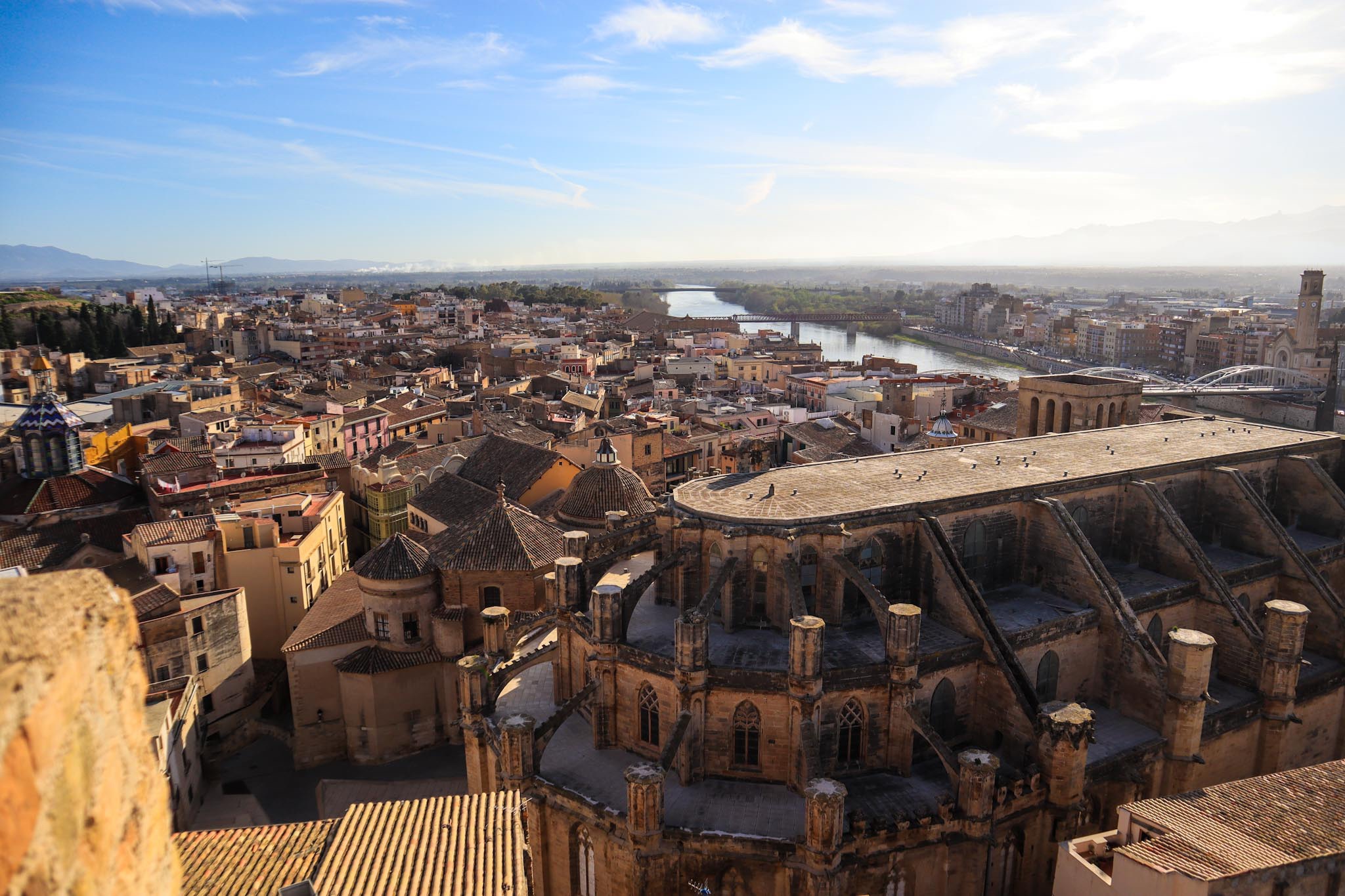
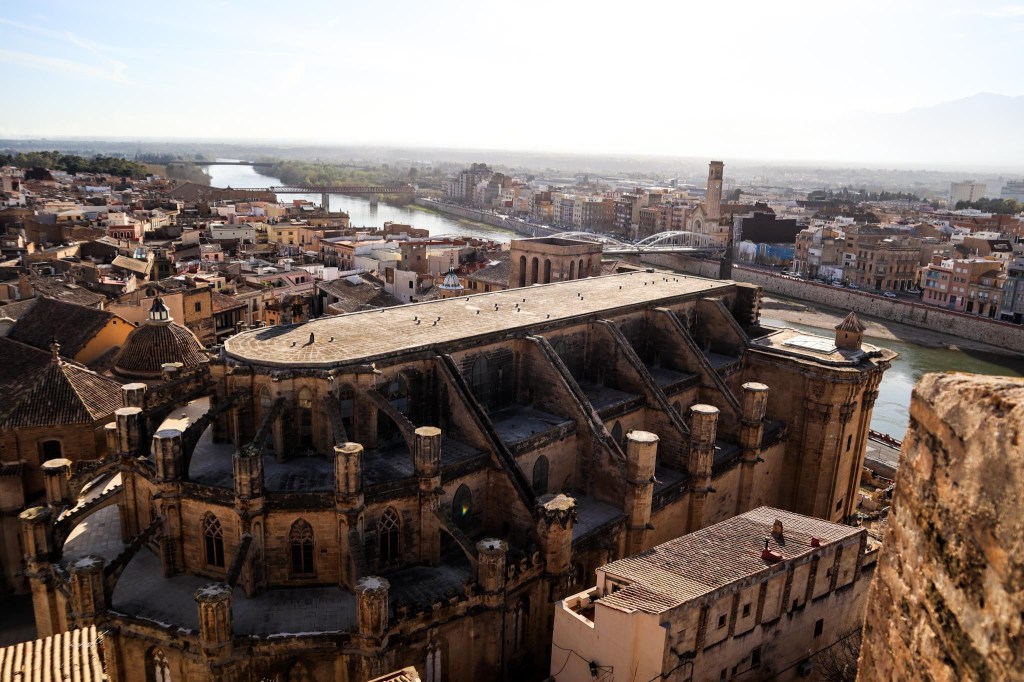
Near the river is the old part of town, with its 14th-century Gothic Cathedral with a baroque façade. Unfortunately we couldn’t get in to see it as they are currently carrying out renovations all around it.
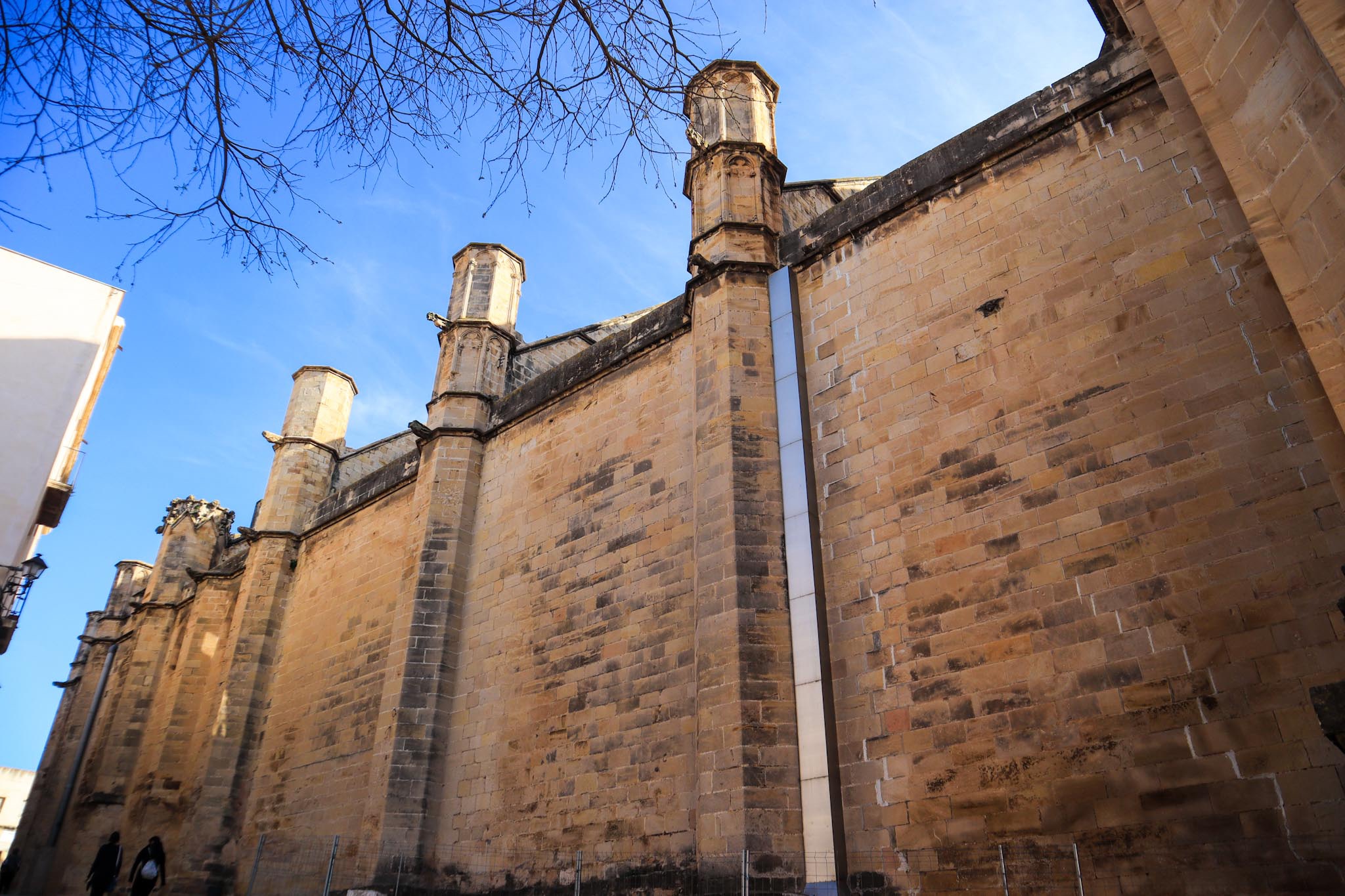
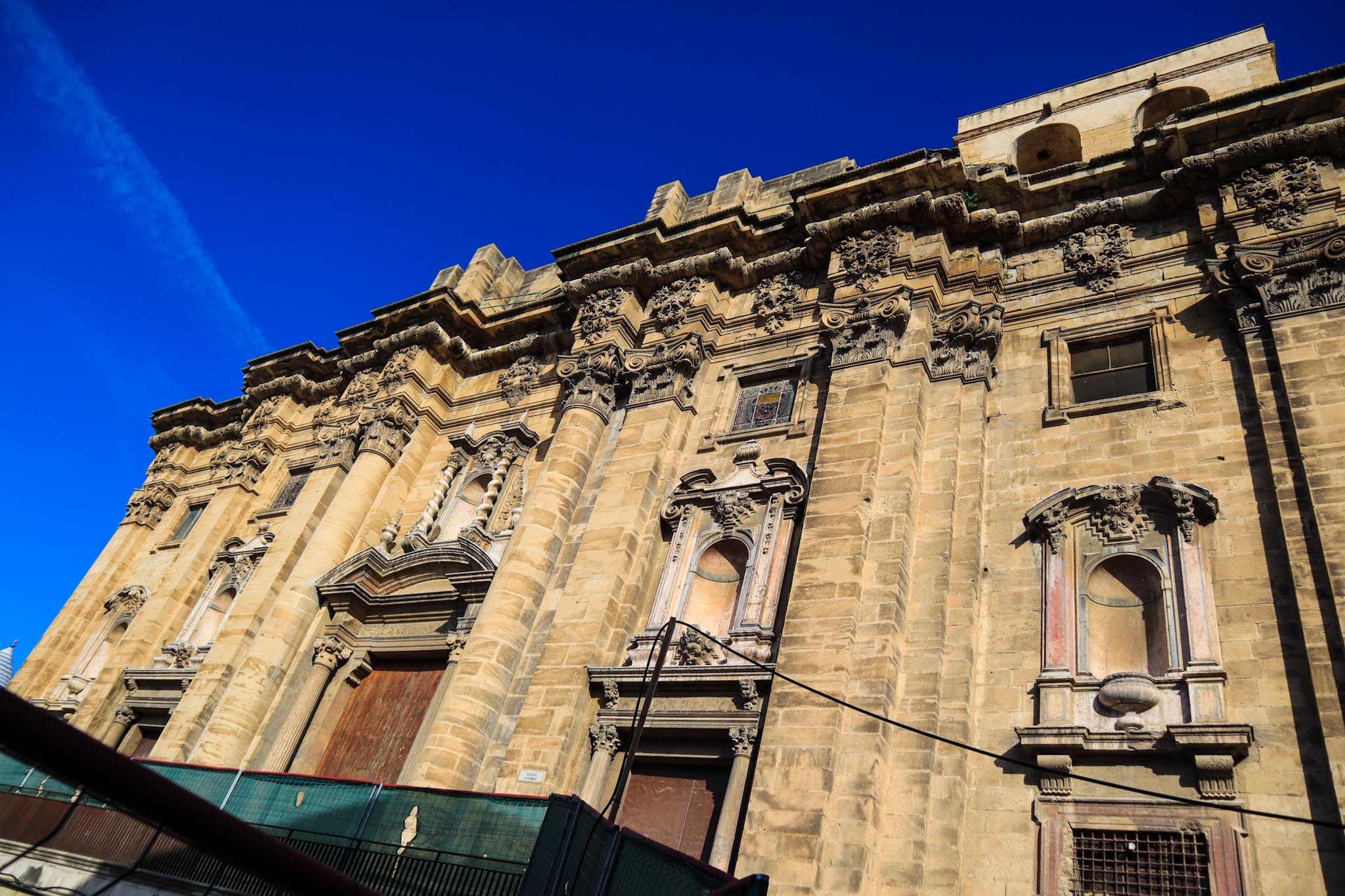
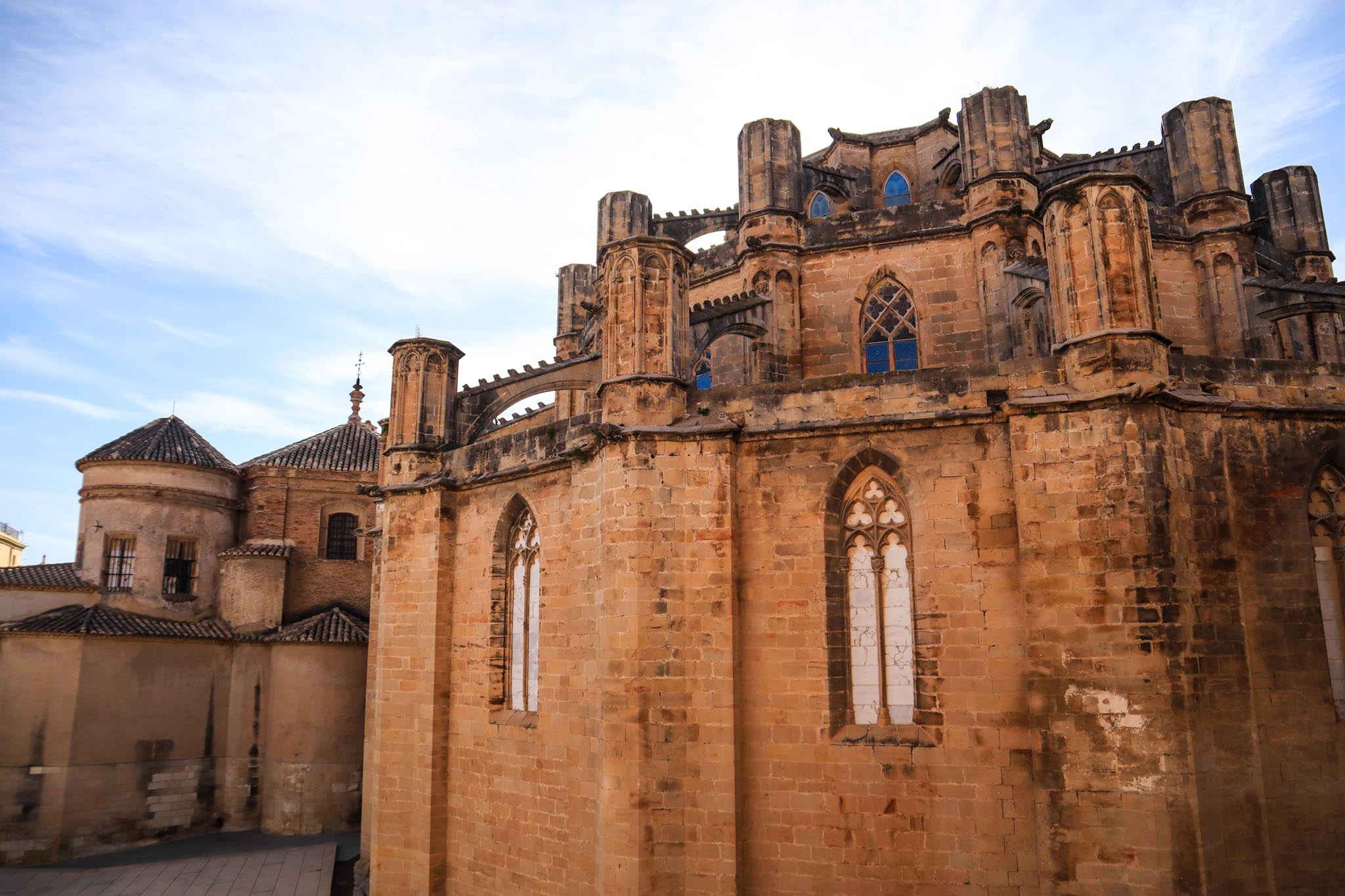
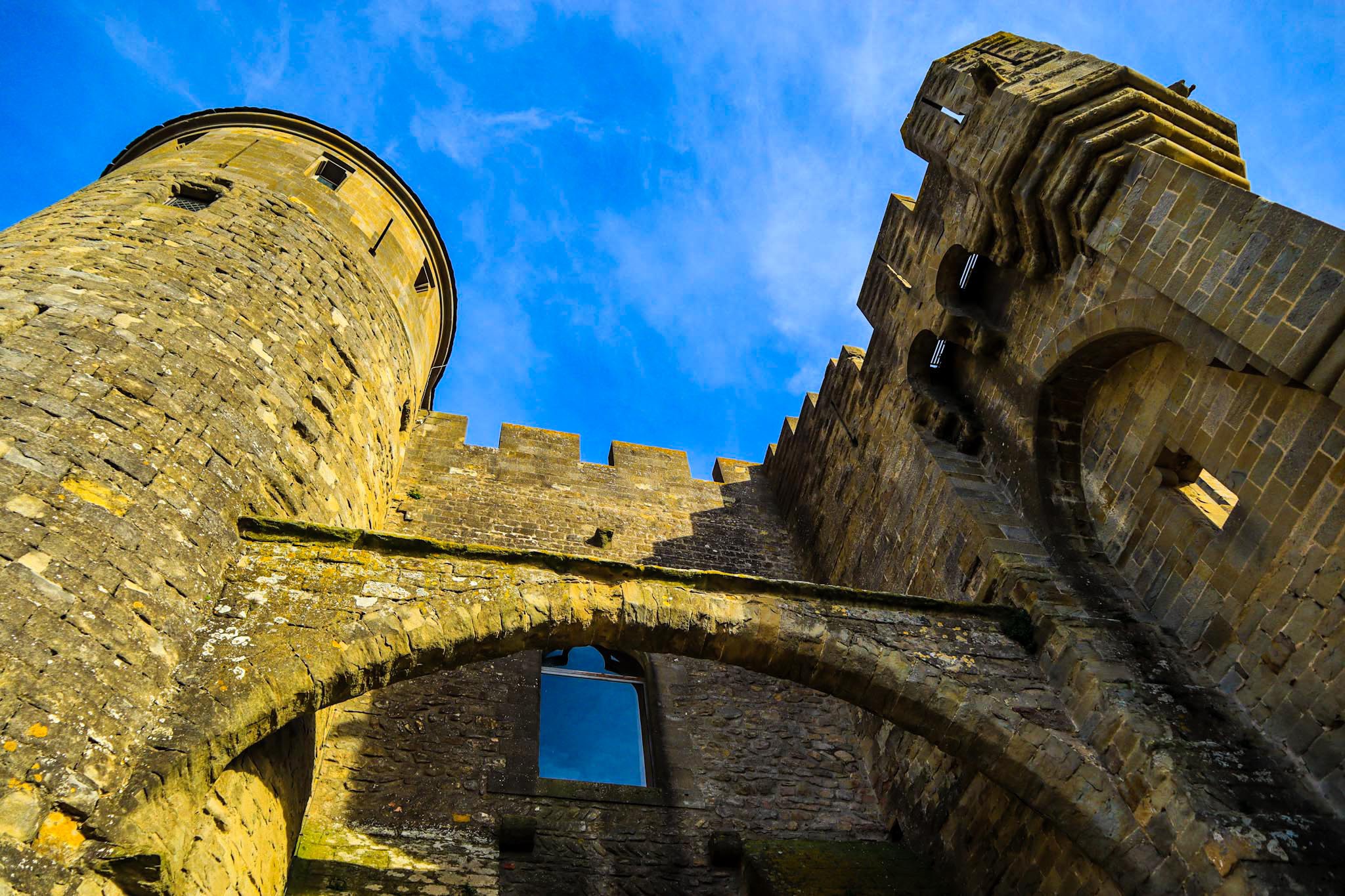
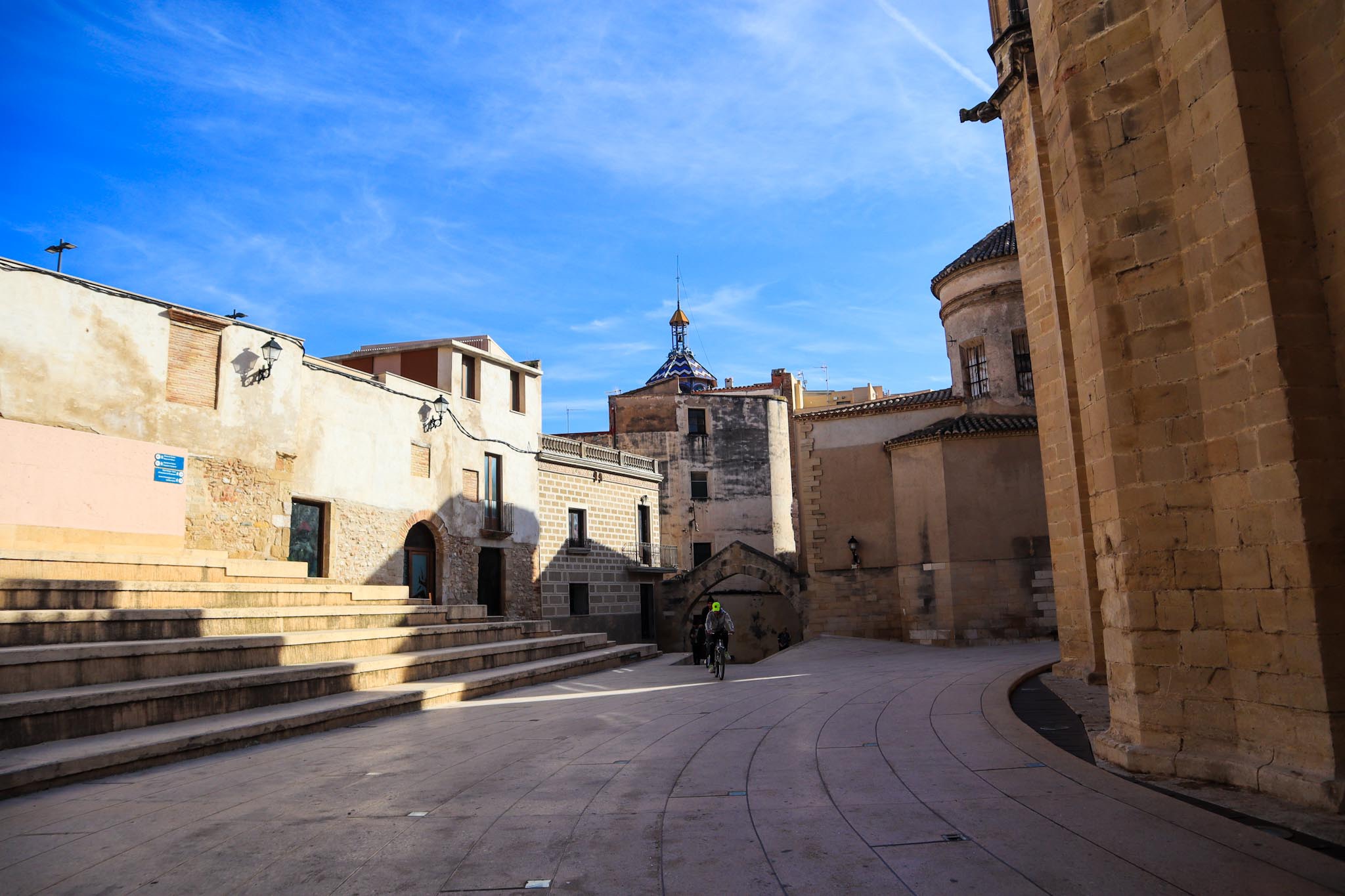
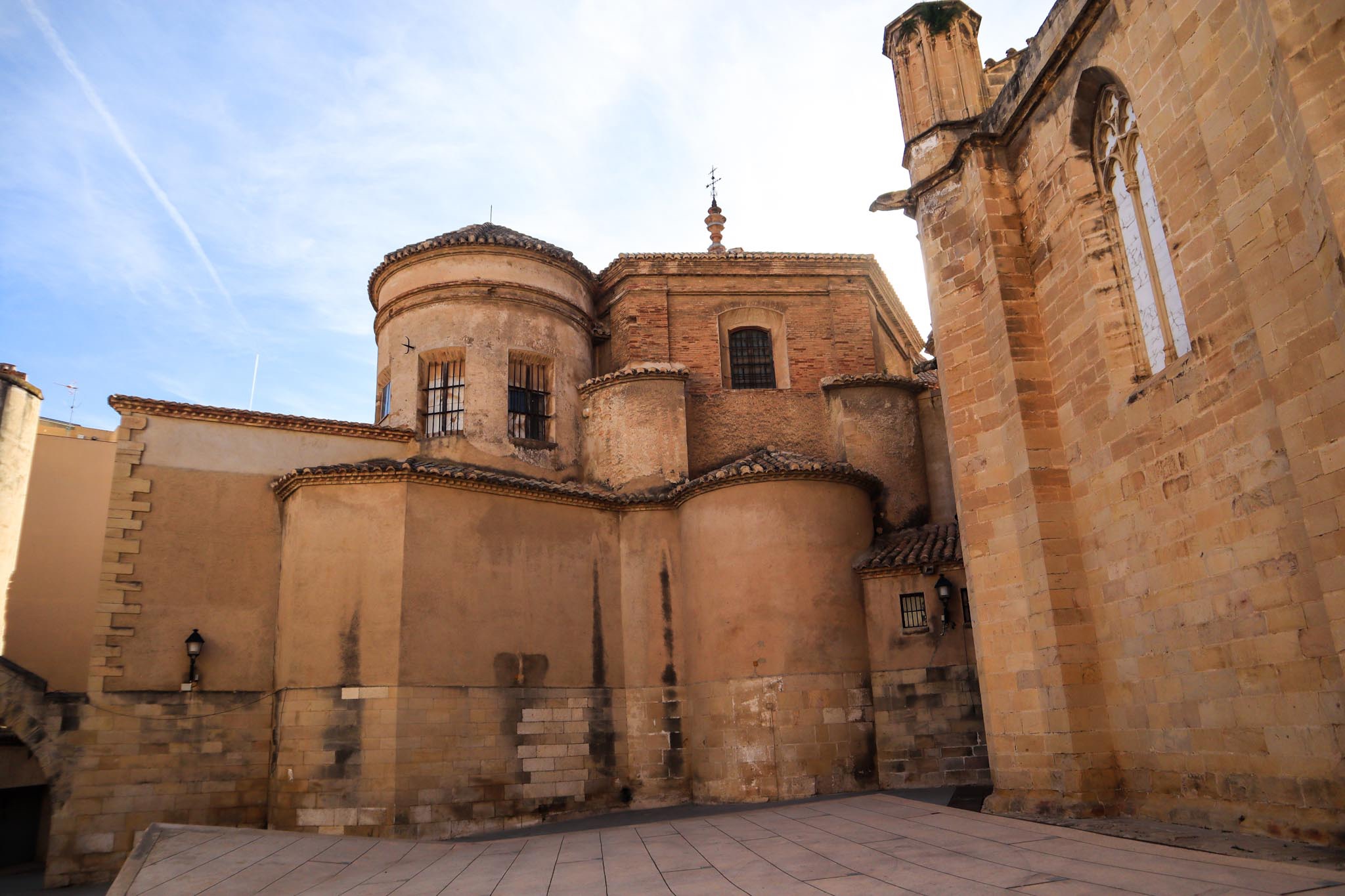
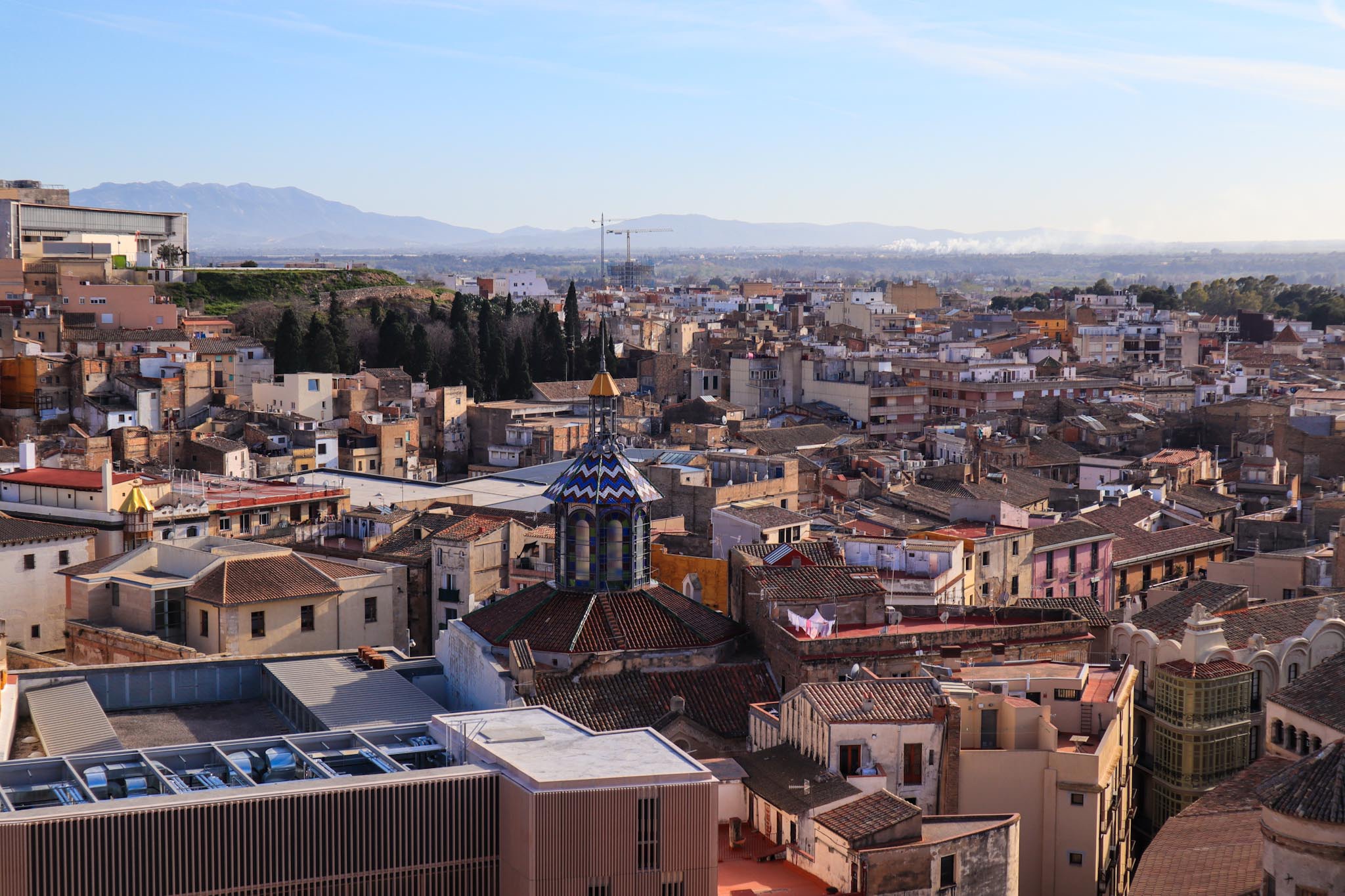
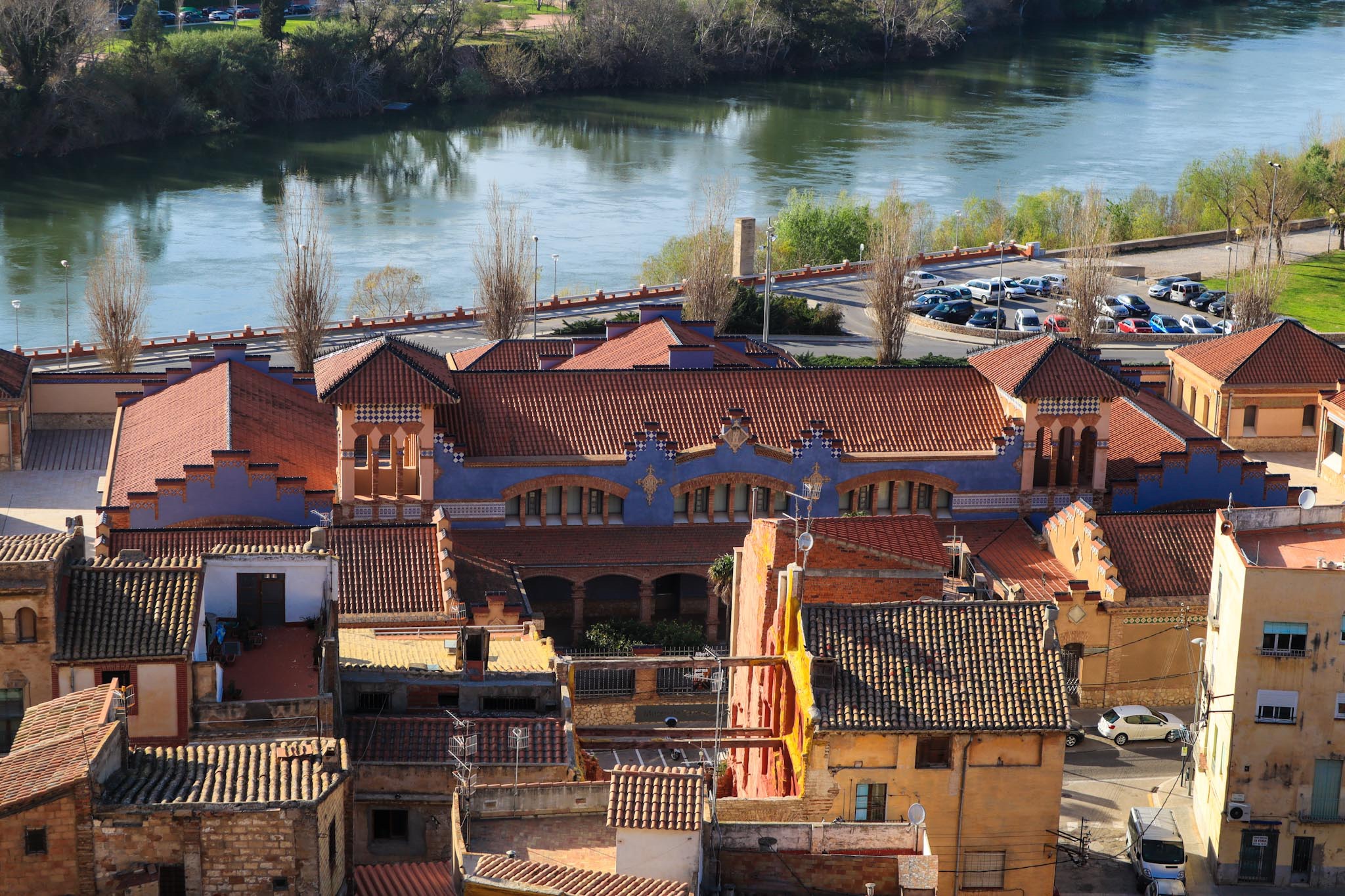
The views from the castle (when you get your breath back) are amazing and you get to see all the different architectures throughout the city.
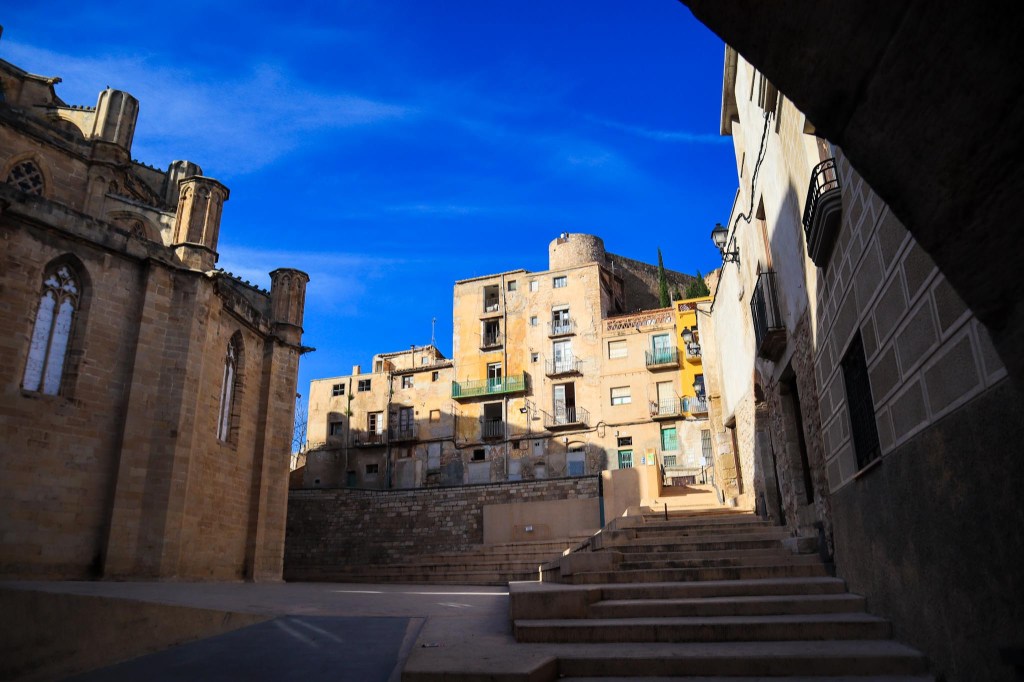
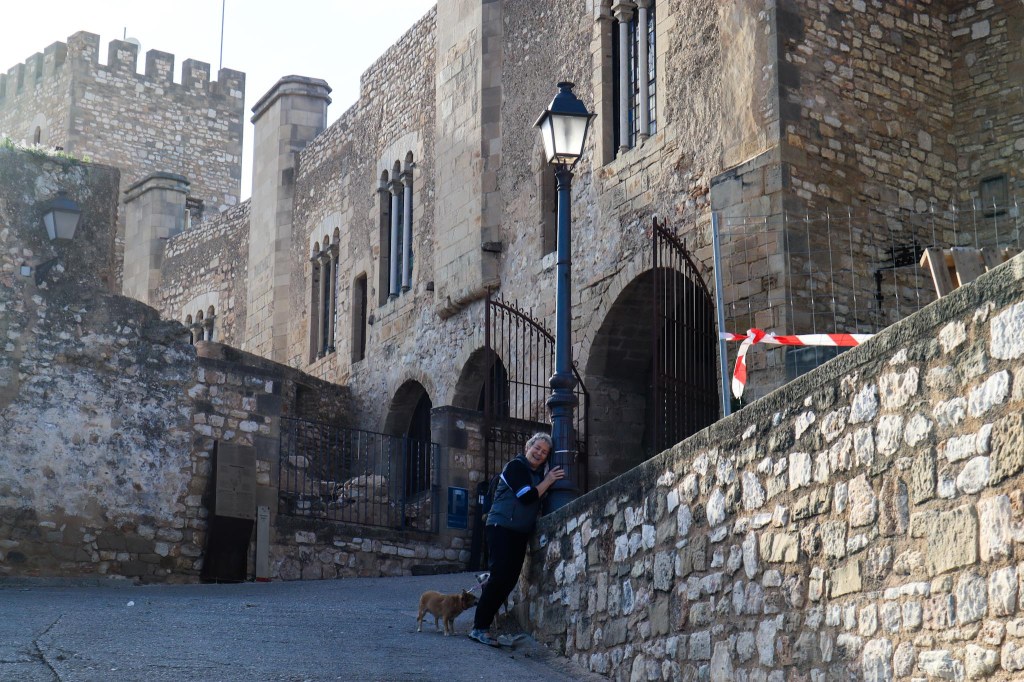
The views from the castle…..
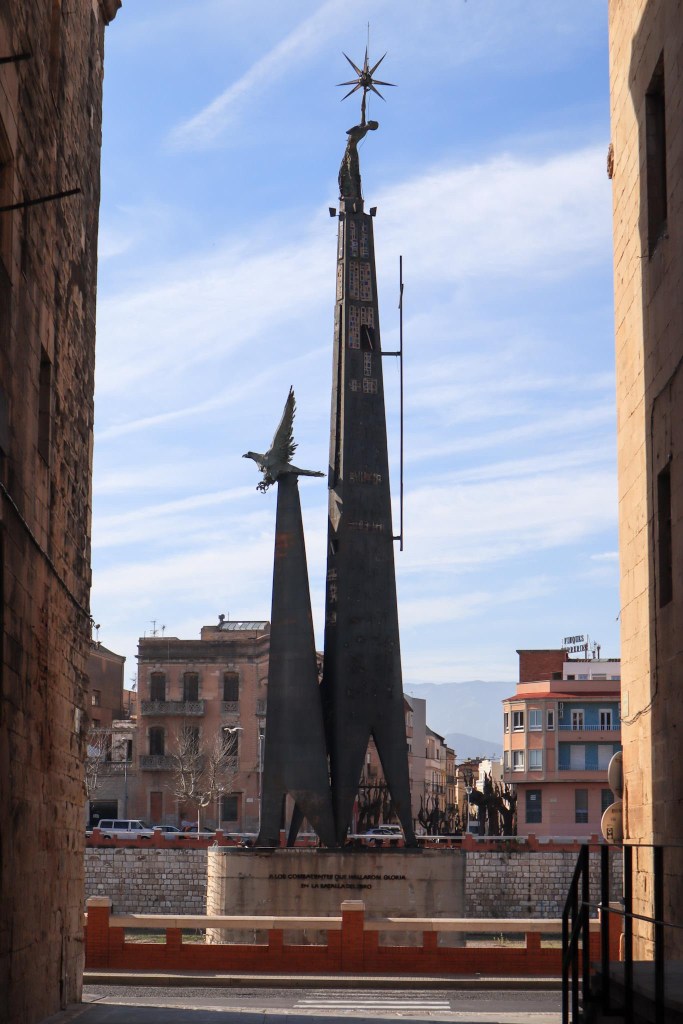
Commemorative Monument of the Battle of the Ebro
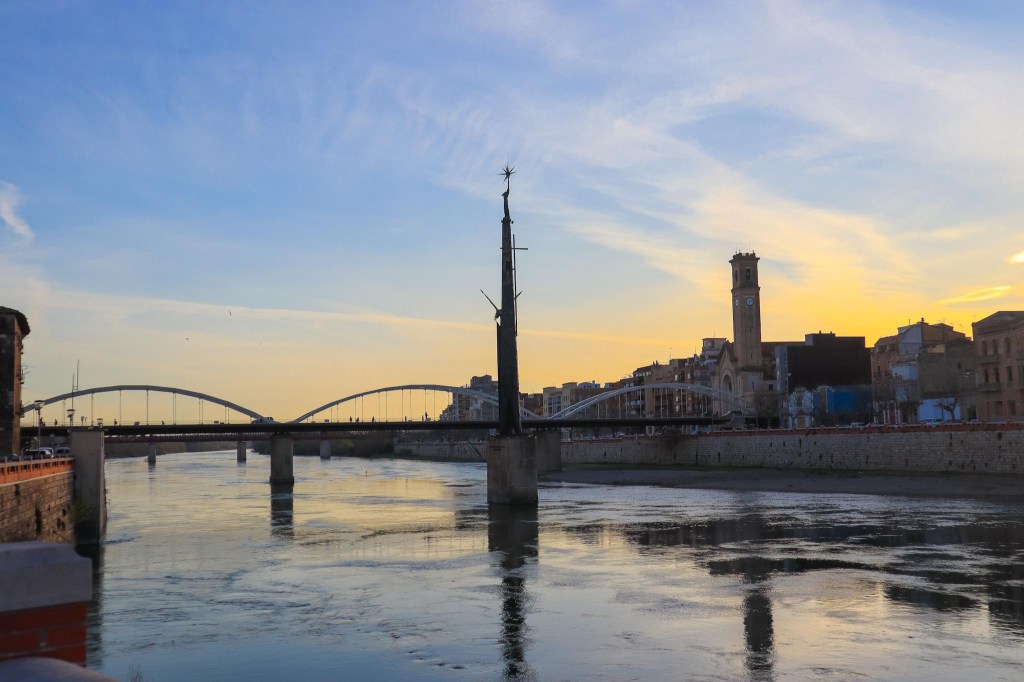
This memorial, built by fascist dictator General Franco in 1960, has been repurposed by the people of Catalonia. In 1960, Francisco Franco established this memorial to the victims of his victorious nationalist forces, who had bombed the Catalan city of Tortosa in 1938.
The memorial was re-imagined in 2016 to commemorate the fallen on both sides, despite being viewed for a long time as a symbol of oppression.
During the Battle of Tortosa, Franco, with the help of his German and Italian allies, had sought to destroy the three bridges running through the town over the Ebro River. The memorial was built on the remains of the one bridge that was completely destroyed—a reminder to many Catalan people of not only the violence but also the still-stymied dream of Catalan national independence. Even so, the people of Tortosa voted overwhelmingly in a referendum to not scrap the memorial altogether but to make sure it told a more complete version of the history.


 Mutts on Tour