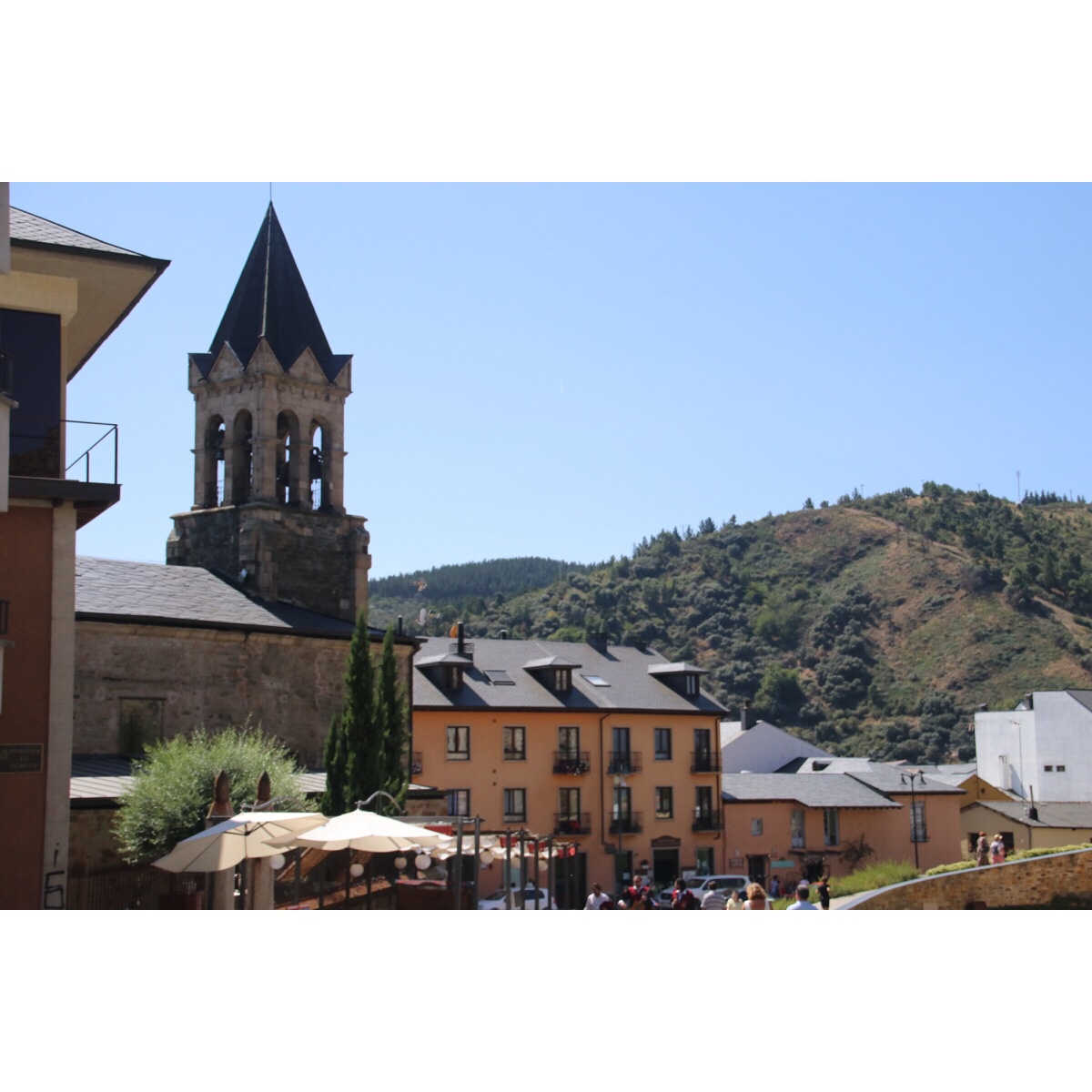
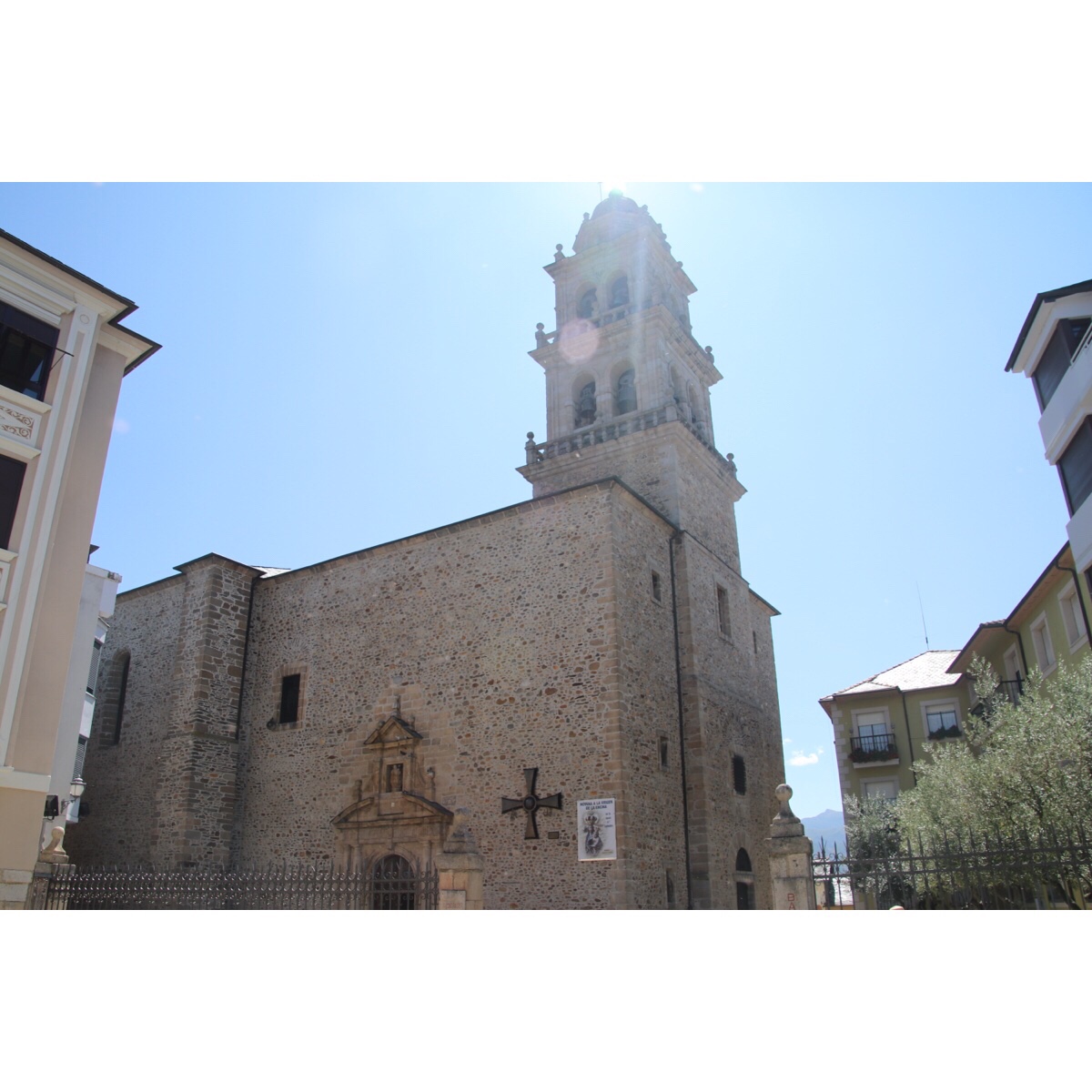
Is in northwestern Spain and is the capital city of El Bierzo in the Province of León, Spain. In pre-Roman times the region was populated by the Astures, a Hispano-Celtic Gallaecian people. They were conquered by Emperor Augustus in the Astur-Cantabrian Wars (29-19 BC) and the area quickly became the largest mining center of the Empire during the Roman period, where gold and other metals and minerals were extracted.
The modern name of the city derives from the iron reinforcements added to the ancient bridge over the river Sil (Latin pons for “bridge” and ferrata for “iron”), commissioned in 1082 by Bishop Osmundo of Astorga to facilitate the crossing of the Sil River to pilgrims in their way to Santiago de Compostela.
The railroad arrived in Ponferrada in 1881, and during World War I local tungsten deposits were exploited to supply the arms industry. In 1918 the Ponferrada Mining, Iron and Steel Company was founded to exploit coal deposits in the region, and it grew to become Spain’s largest coal mining corporation. However, in the 1980s most mines were closed, and after the collapse of the mining industry Ponferrada was for a while in a crisis. However, in the late 1990s the city underwent a major transformation with the establishment in the city of several industrial and services firms, the reintroduction of commercial wine production, the opening of a local branch of the University of León offering several undergraduate degrees, and in general a radical improvement of the town’s infrastructure. The economy is now based mainly on tourism, agriculture (fruit and wine), wind power generation and slate mining, with a mild but constant population increase.
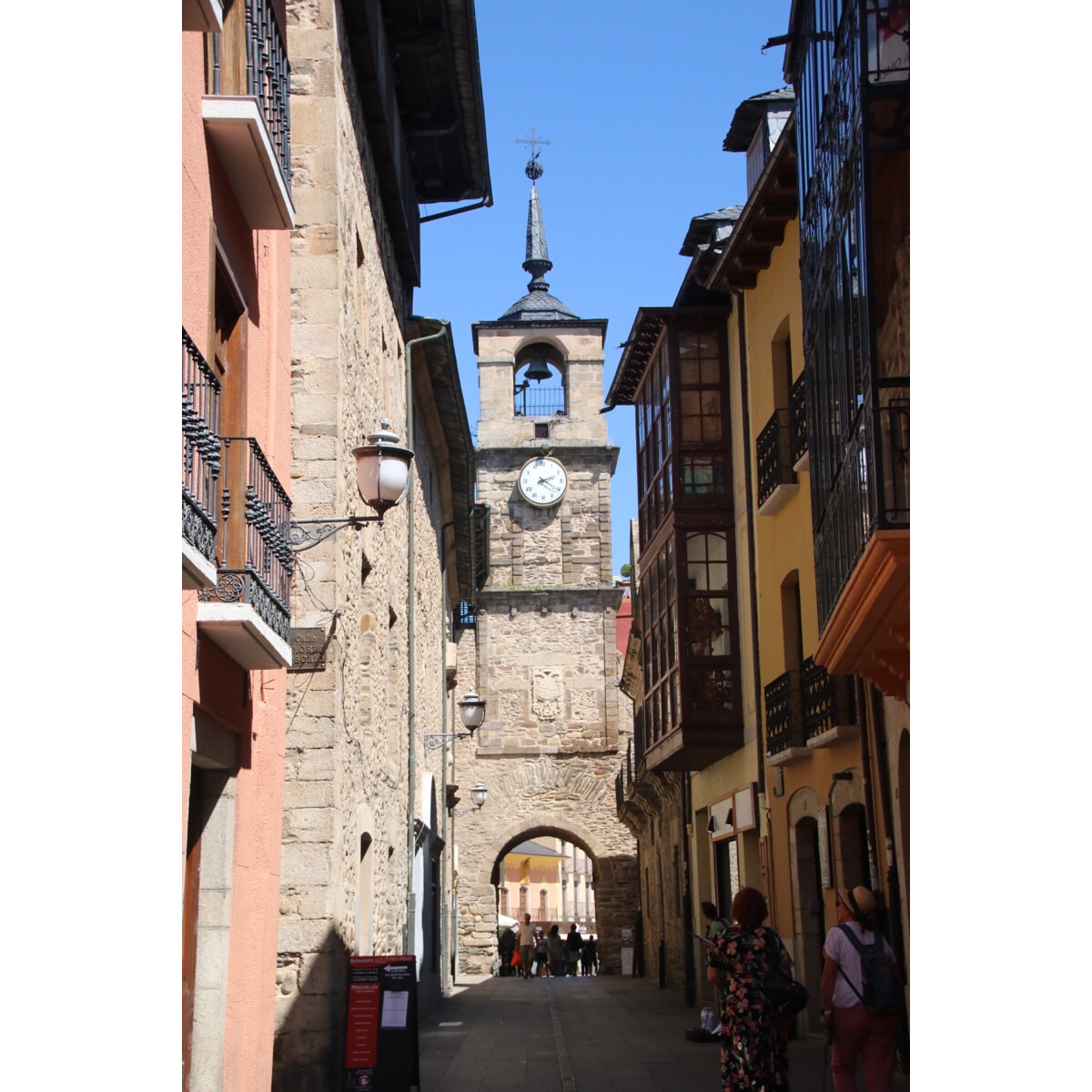
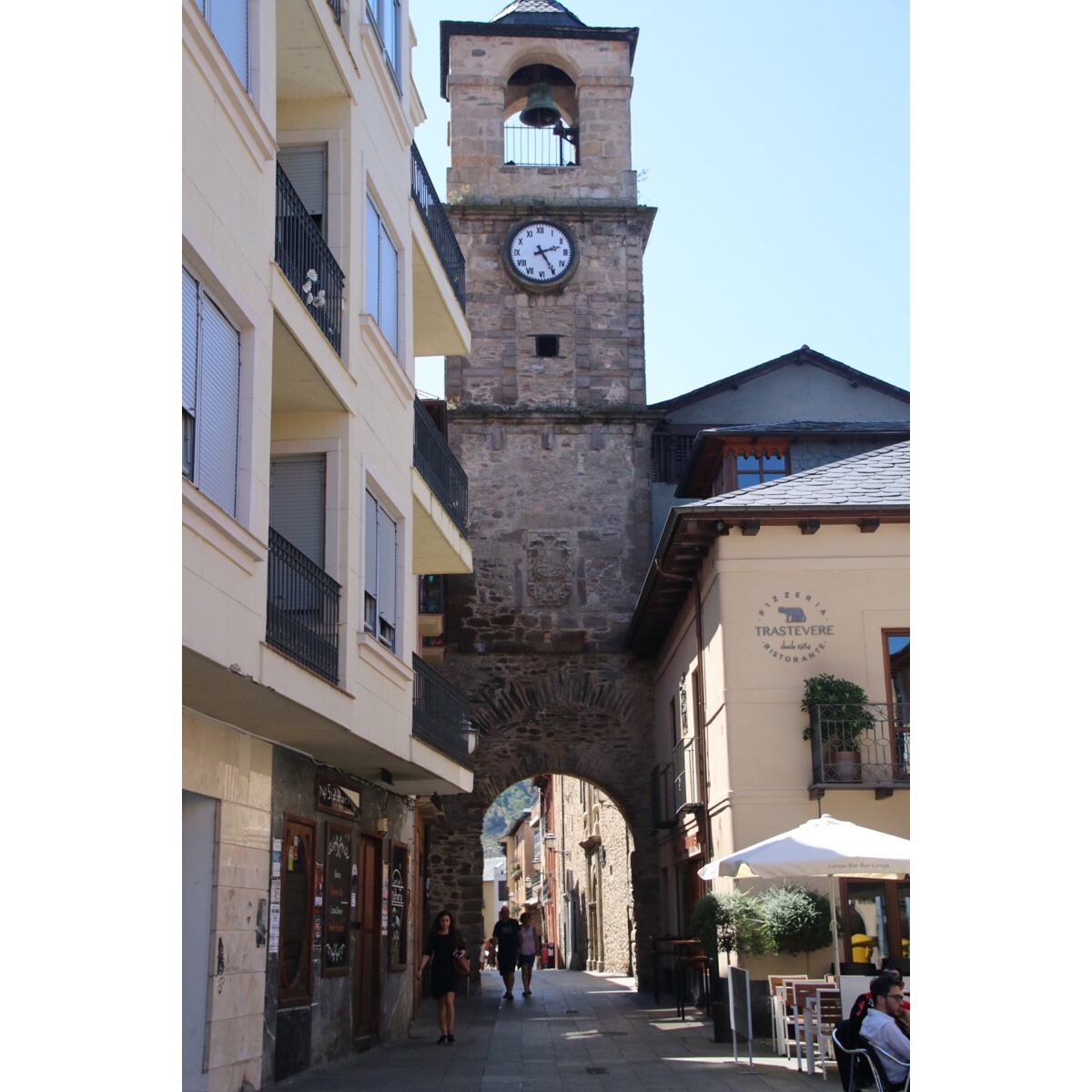
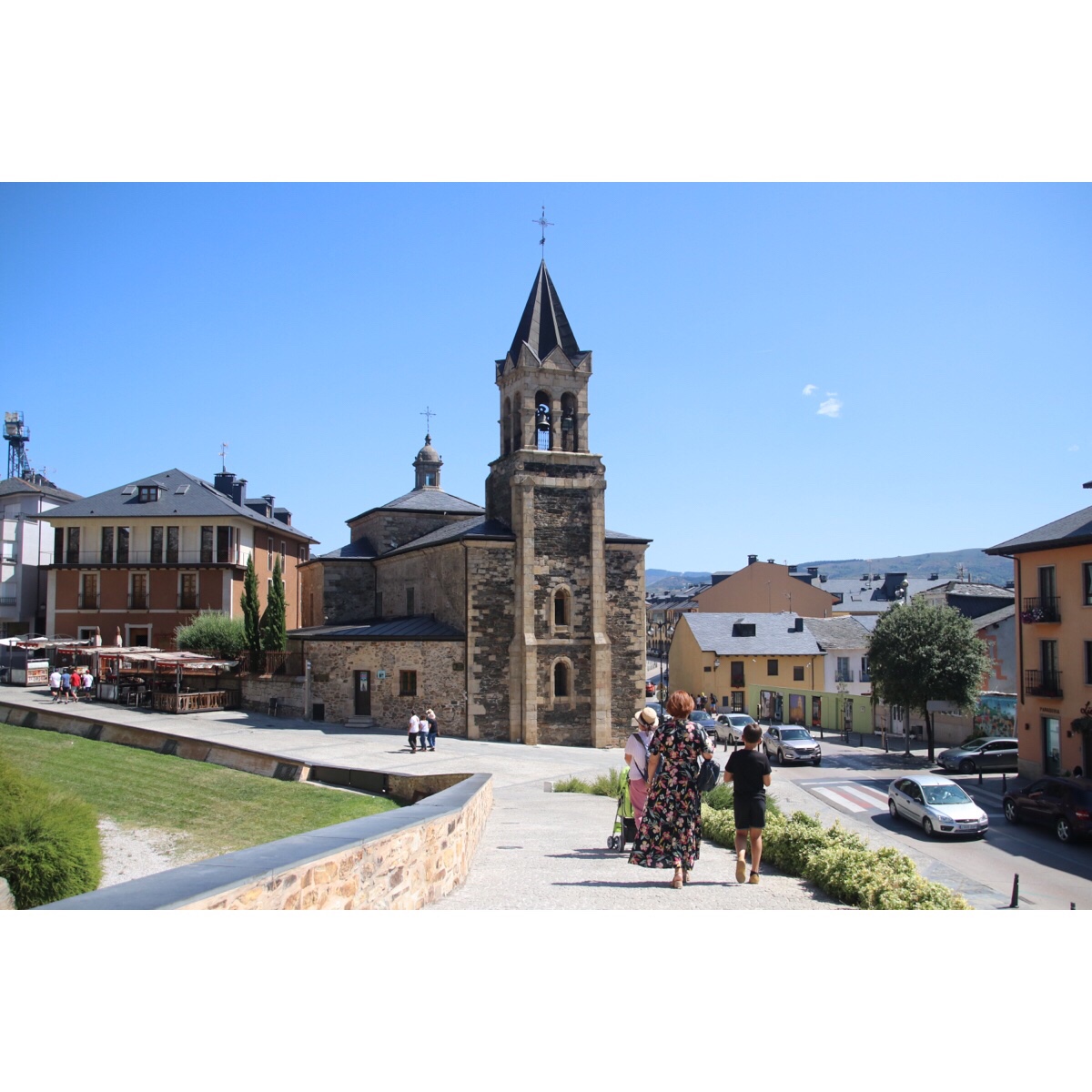
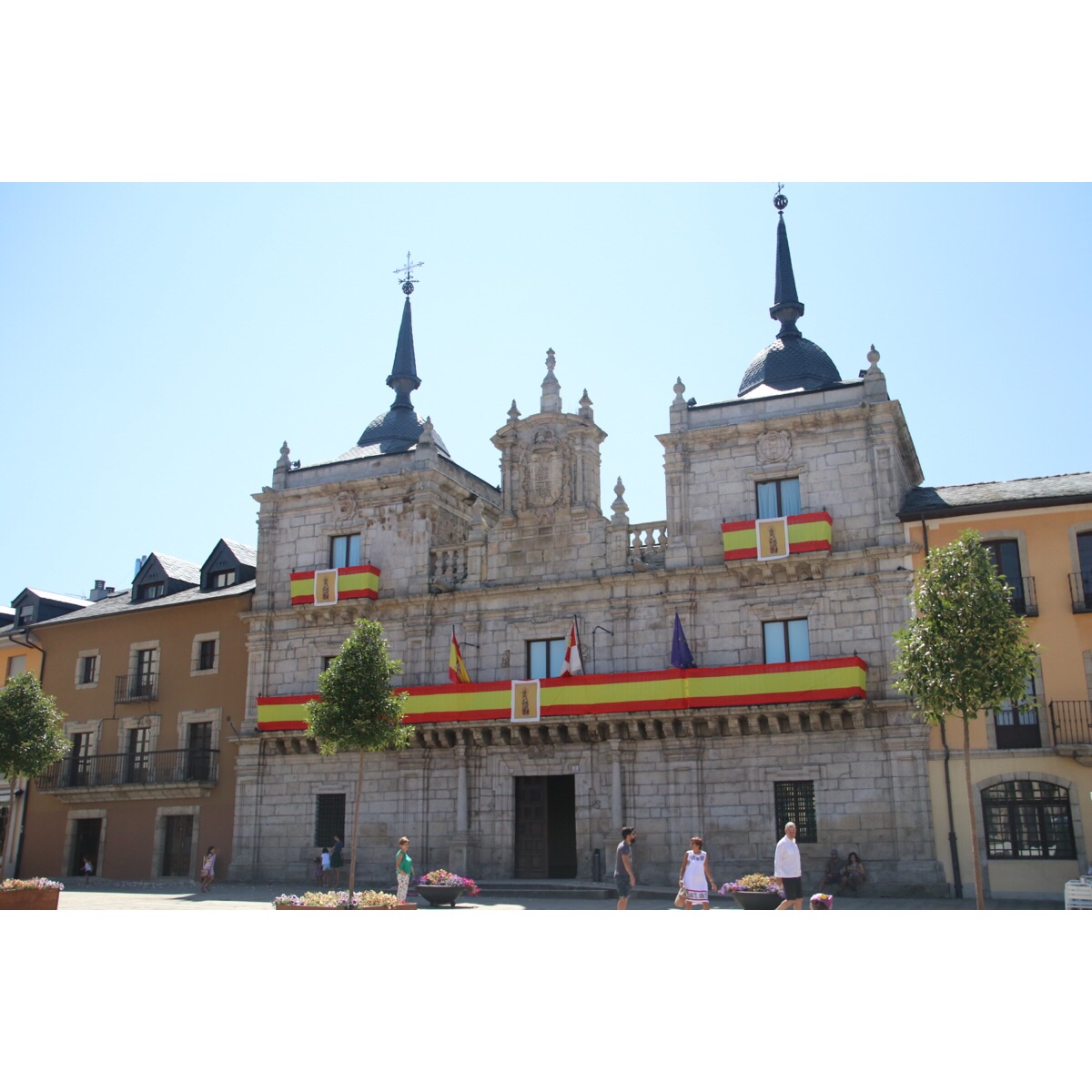
Important factors contributing to the recent boom of the tourism industry are the increasing popularity of the Camino de Santiago (the Way of Saint James), the designation in 1997 of Las Médulas (ancient Roman gold mines) as a UNESCO World Heritage Site and the development of rural tourism lodging and wineries in the area.
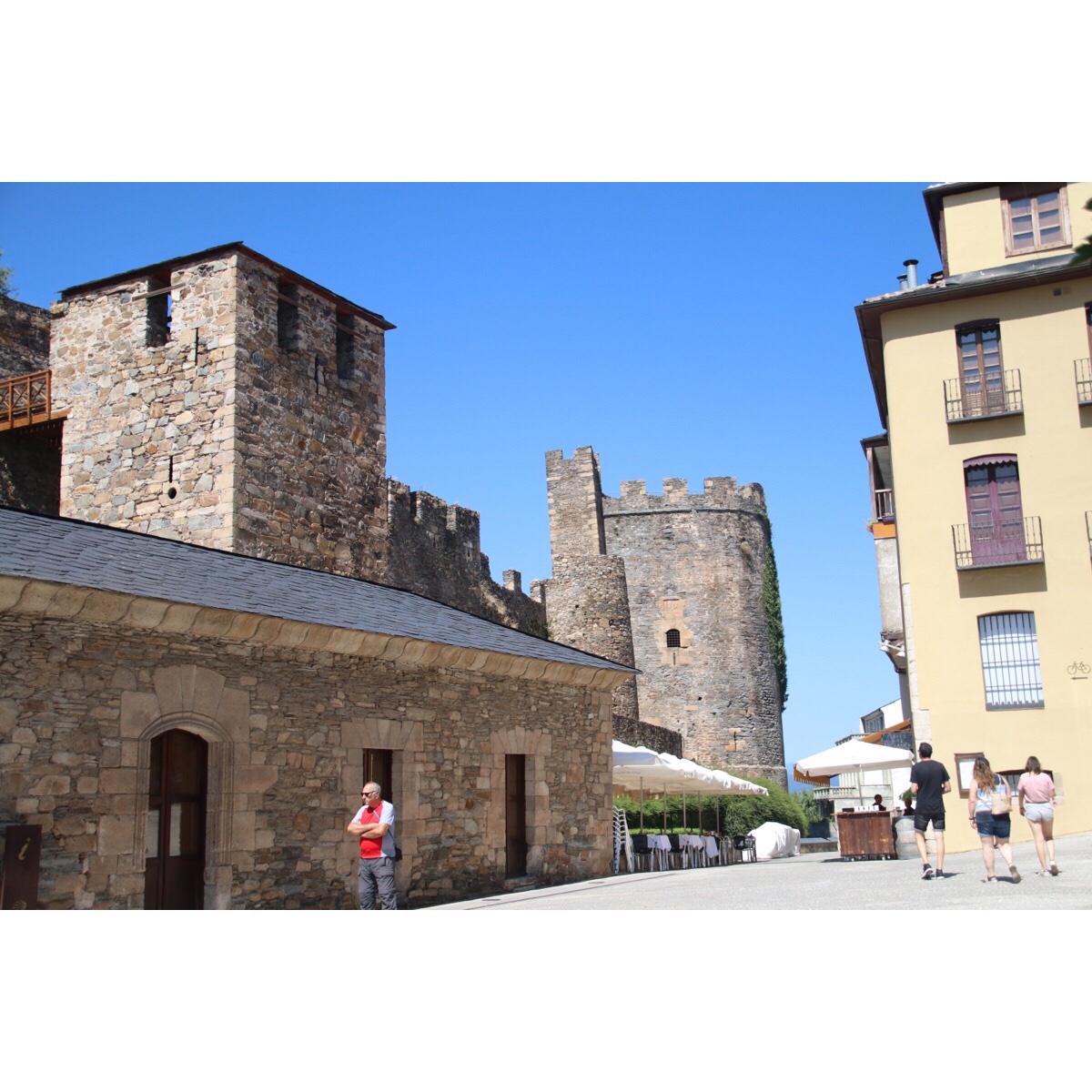
Ponferrada is also noted for its Castillo de los Templarios, a Templar castle which covers approximately 16,000 square meters. In 1178, Ferdinand II of León donated the city to the Templar order for protecting the pilgrims on the Way of St. James who passed through El Bierzo in their road to Santiago de Compostela.
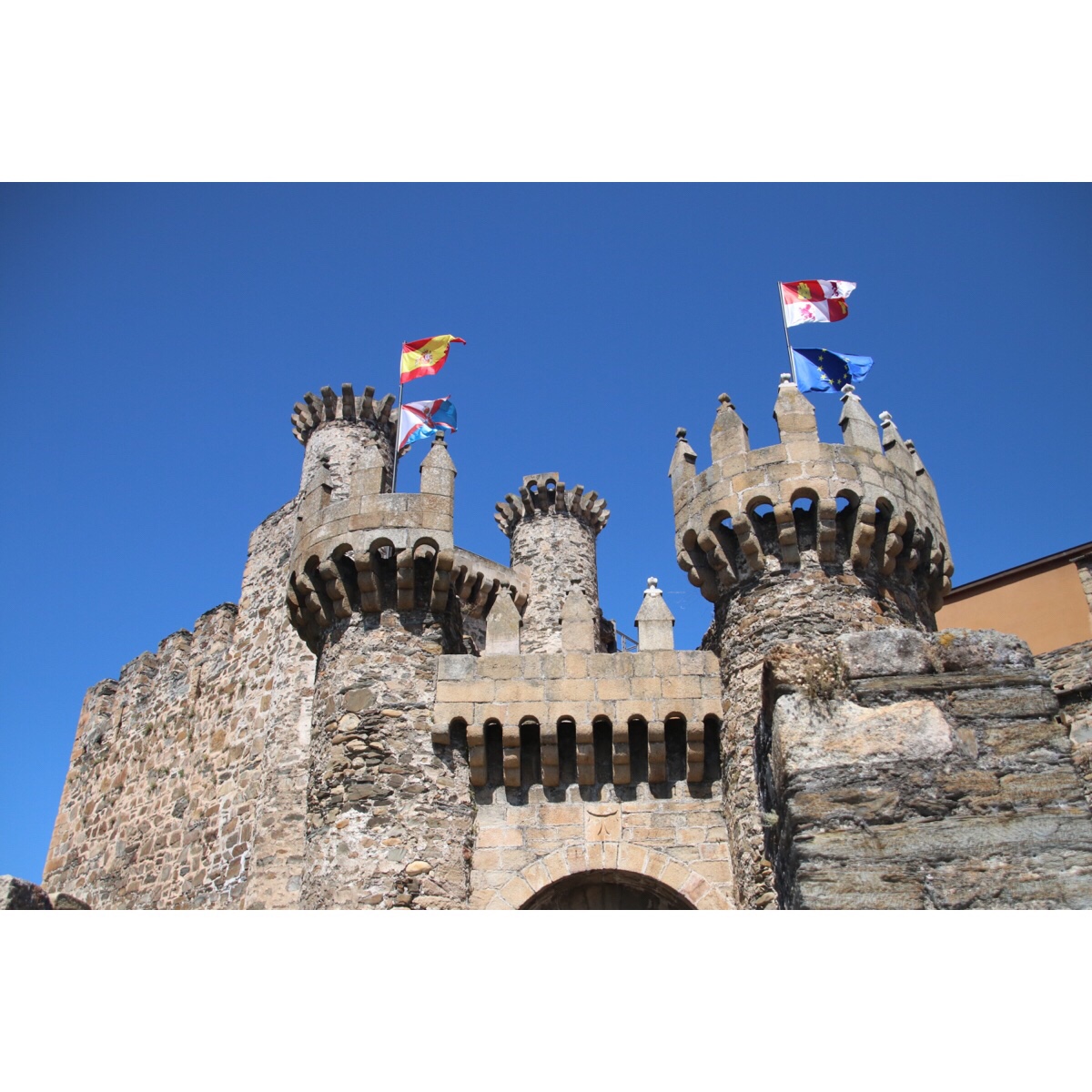
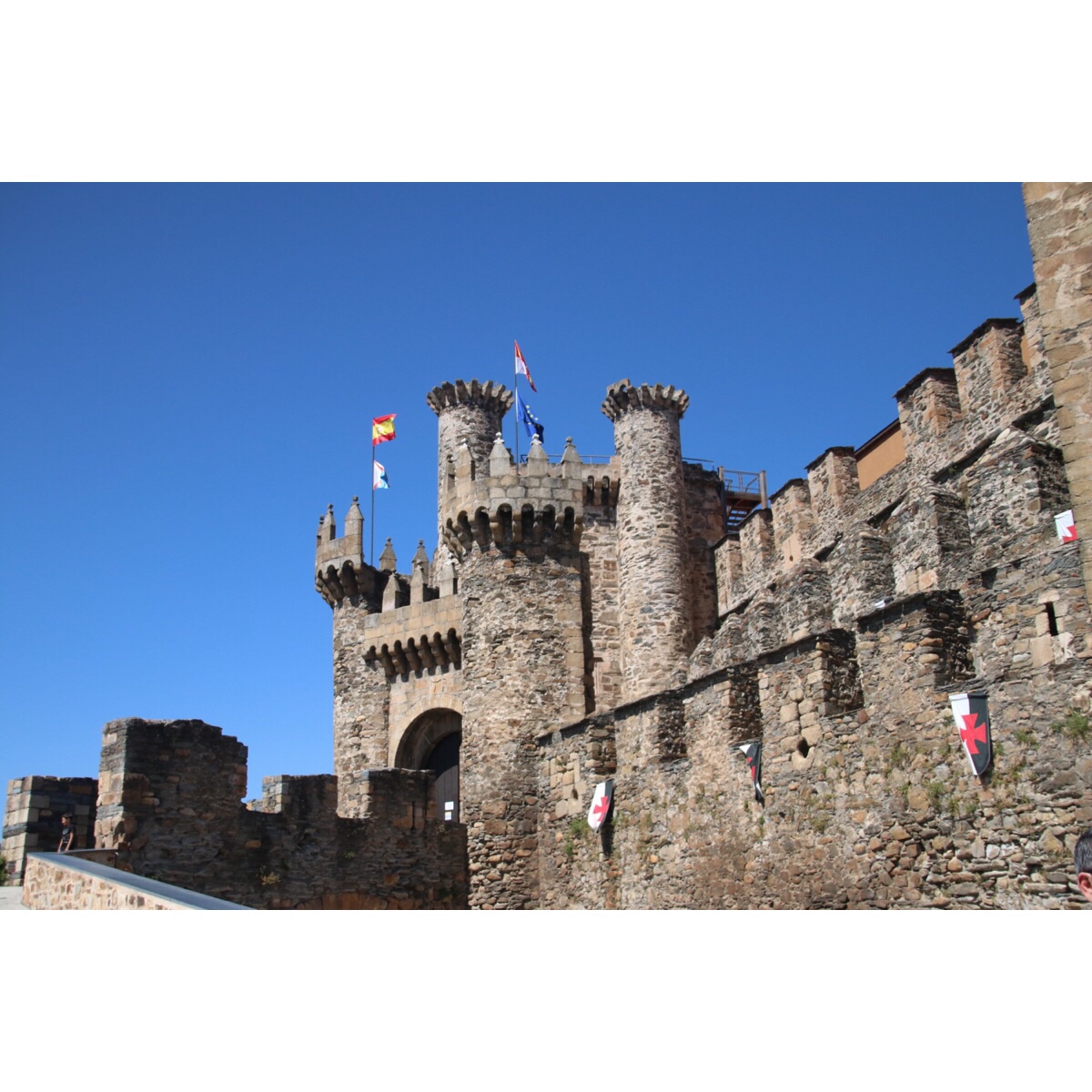
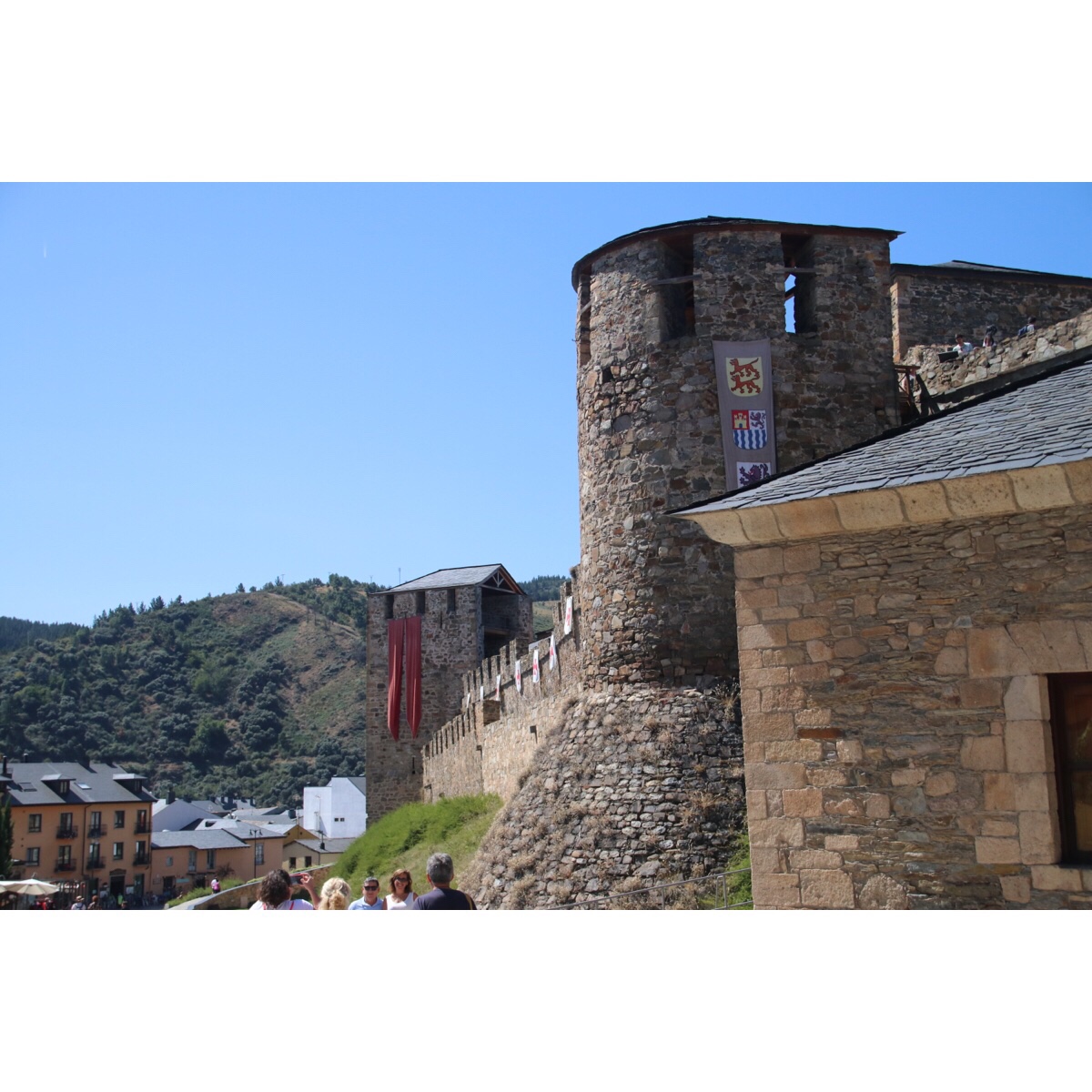
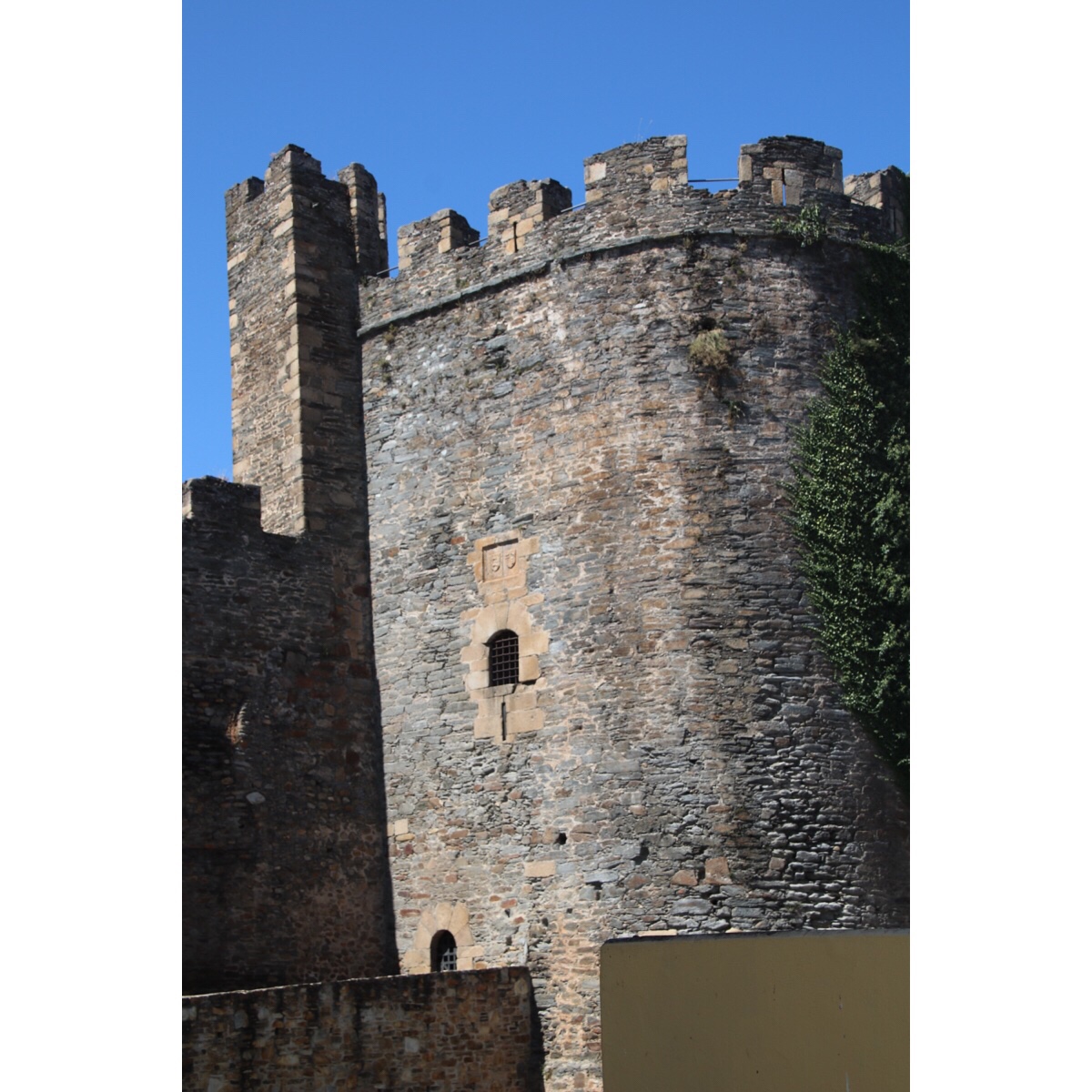
The castle hosted the Knights Templar’s Grand Master of Castille. However, the Templars were only able to enjoy the use of their fortress for about twenty years before the order was disbanded and its properties confiscated in 1311. Several noble houses fought over the assets until Alfonso XI allotted them to the Count of Lemos in 1340. Finally the Catholic Monarchs incorporated Ponferrada and its castle into the Crown in 1486. As with many other historical sites in Europe, many of the blocks that at one point formed the walls of the castle were removed and used in local construction projects.
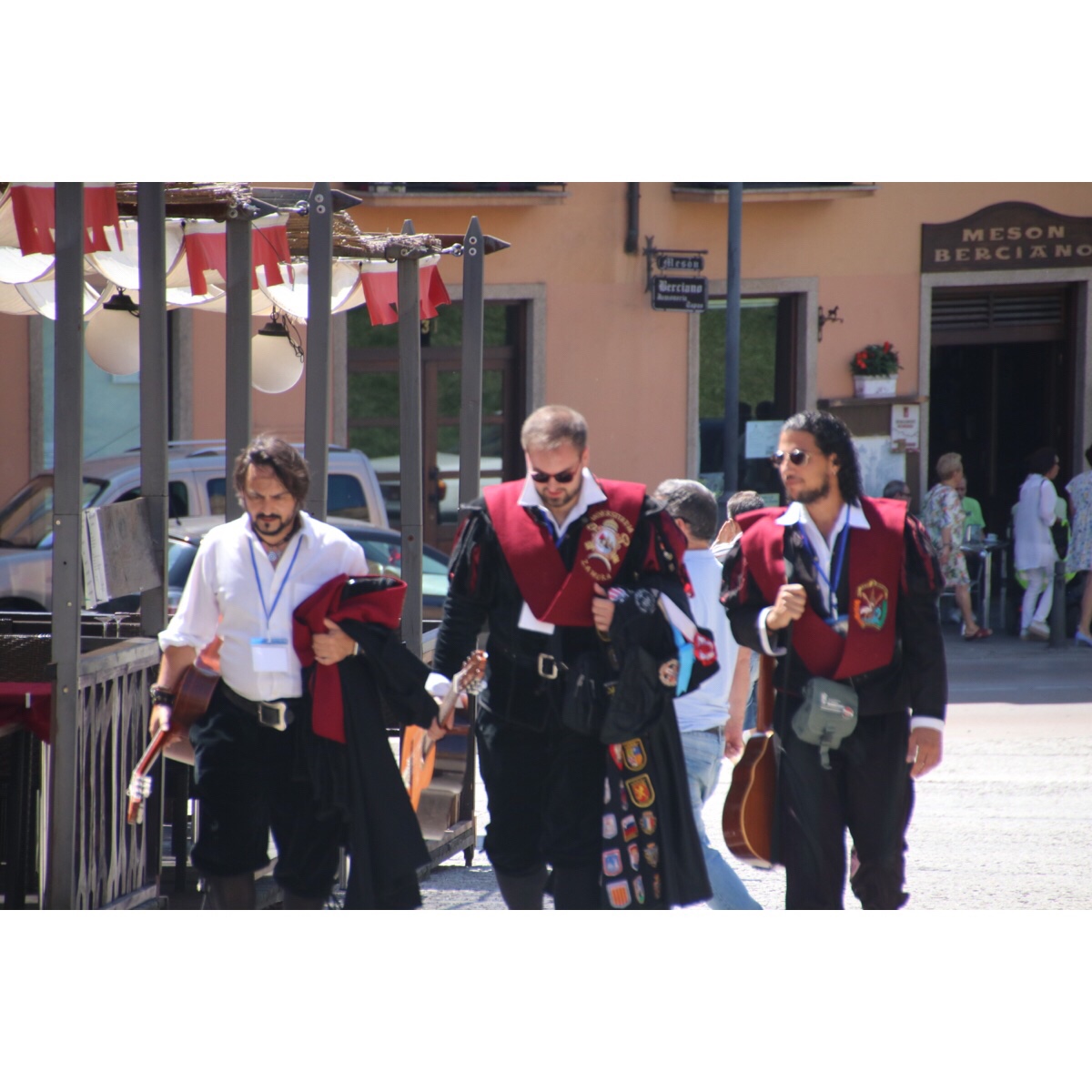
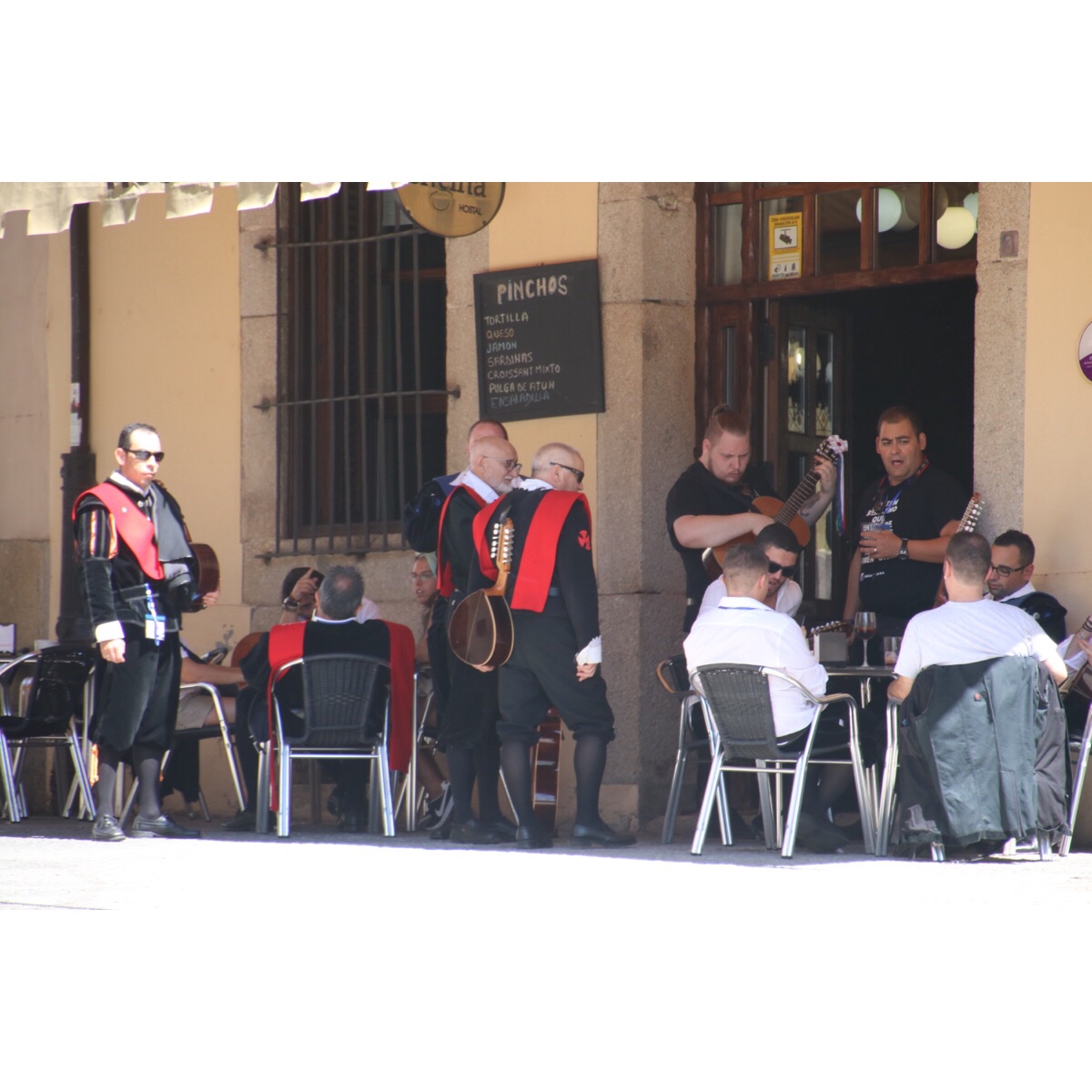
These are the local Tuna who were performing in Ponferrada on Saturday. The Tuna is a group of university students in traditional university dress who play traditional instruments and sing serenades. The tradition originated in Spain and Portugal in the 13th century as a means of students to earn money or food. Nowadays students don’t belong to a “tuna” for money nor food, but seeking to keep a tradition alive, for fun, to travel a lot and to meet new people from other universities.

 Mutts on Tour